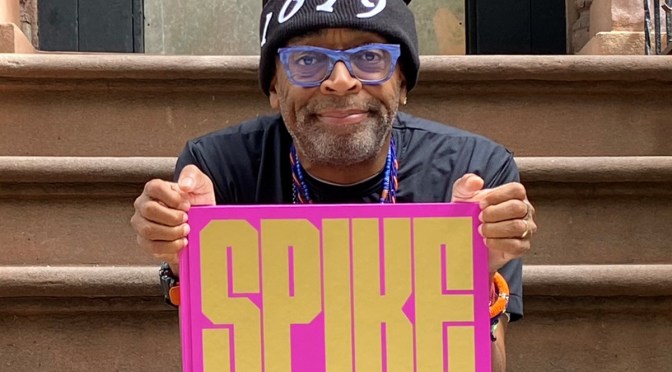
“Spike Lee is having a signing at the Brooklyn Museum on Saturday if you want to go.”
(Tbh, Louis could have asked me to go to Mars at this point, and I’d ask what time.)
So bright and early, we popped up from the Eastern Pkwy station into an entirely empty museum lobby.
OF COURSE only members were allowed before 11. Us plebes were ushered outside where Louis did the mental math. “I’m thinking. Wondering if we should join.”
I reached for my phone. $64 for a dual membership. Joy Barnett & Louis Mendes could swing that.
So with two hours until the signing, we talked. As fans & families gathered, we watched. And through it all, we sat comfortably after Louis pulled the elderly card like he doesn’t put in miles across NYC every day. And when the museum shop opened, we rose to our rightful place at the very front of the line.
Around 11:45, a famous face poked out from a black velvet curtain, scanned the crowd, and did a double-take in our general direction.
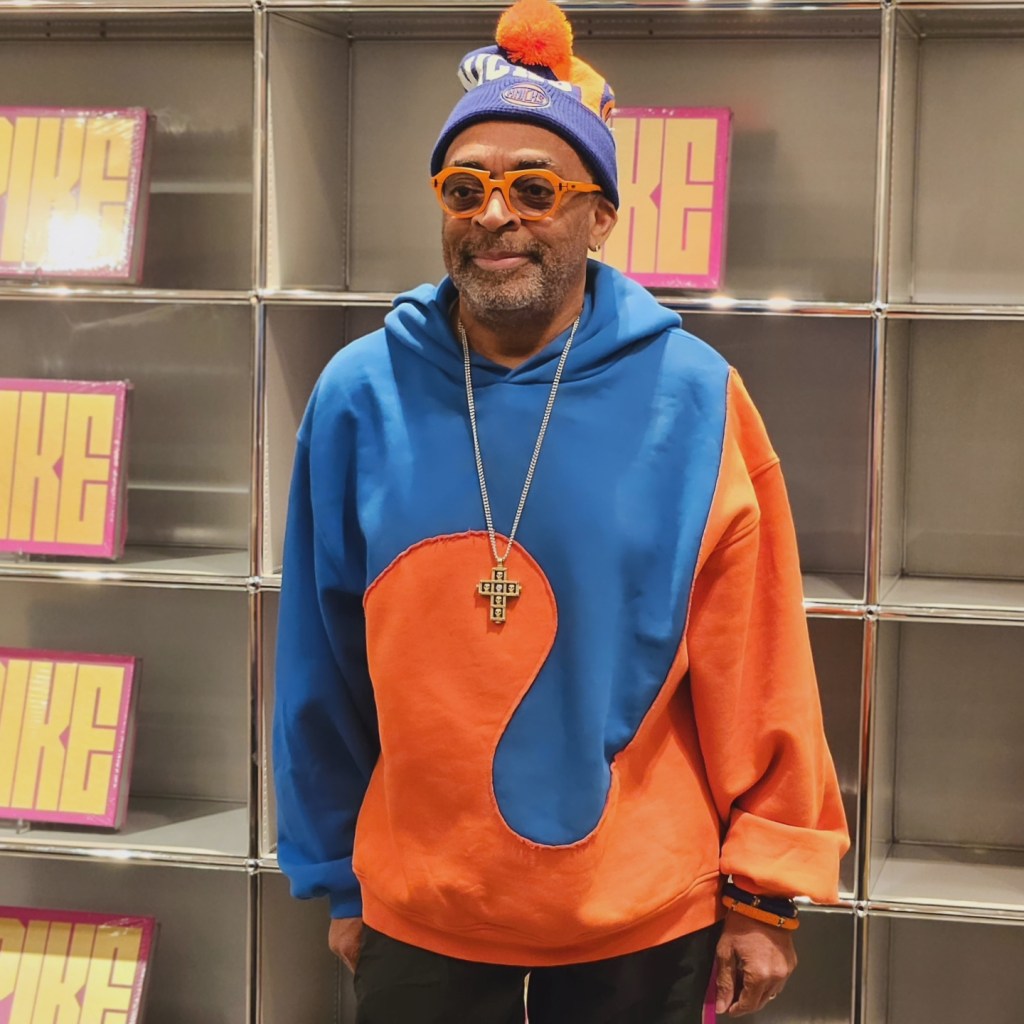
That’s when Spike Lee marched over, shook Louis’s hand and picked up the stanchion himself to usher us in.
The two of them fell in so fast it almost felt scripted. Spike posed, Louis clicked. Spike handed Louis a bill, shook his hand again and thanked him. Then Louis went off-script.
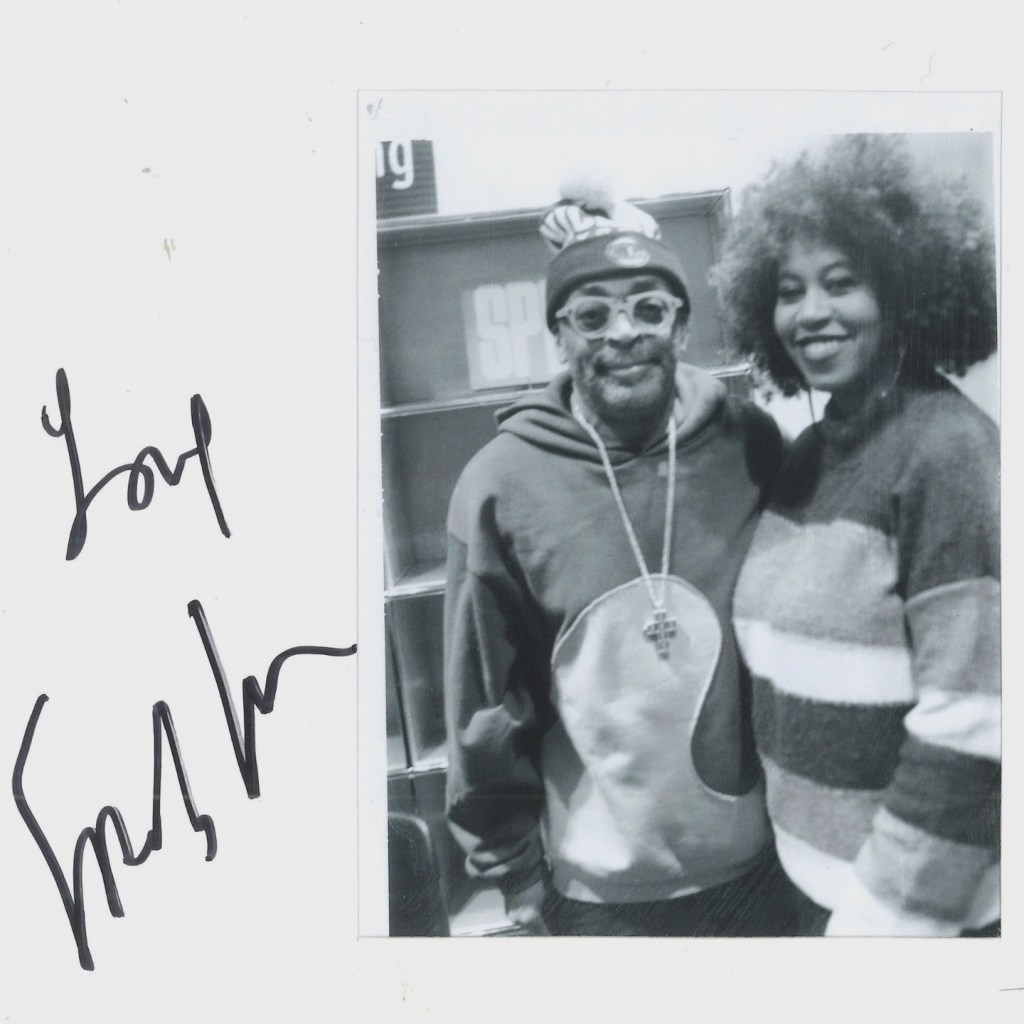
“I wondered if I could get a picture of you and Joy.”
“Come on, baby.”
I scurried over like a rat to a charcuterie board. It’s almost literally written all over my face.
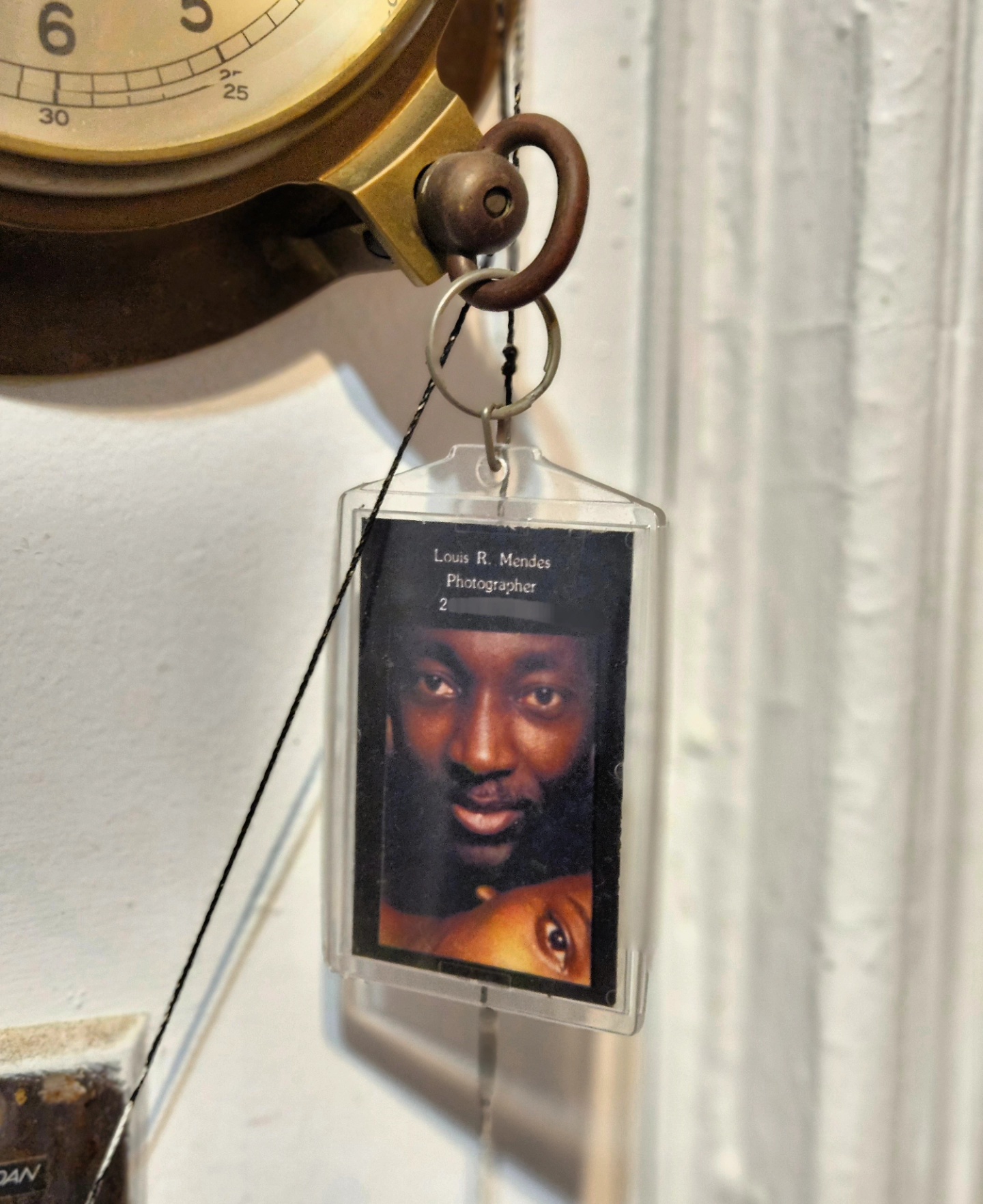
As Louis tucked the photo into his usual cardboard frame, Spike slid it across the table, and wrote without a word: “Love, Spike Lee.”
He began his goodbyes when I awkwardly chimed in to ask if he’d sign our books too.
The relief when he took it as a timely reminder vs. clumsy begging.
“Oh, tell all them people to open their books to THIS page,” Spike pointed a pink spread out to his manager. “I’m only signing THIS page.”
I flipped like my life depended on it, taking the opportunity to thank him for his work. He received my words graciously and signed both books before Louis & I started to slip away.
“Oh…” he called to his manager once more.
“And tell them NO PICTURES either. This is a BOOK SIGNING.”
[Ed. Note: This post is part of a one-time February 2024 mini-series that took me to NYC where I was treated to an abundance of Blackstories first-hand. In place of my usual February content, I chose to share my own real-time (-ish) lived experience to honor the vibrant people New York put in my path.]
All this adventure and Louis and I hadn’t even eaten lunch yet. I didn’t anticipate any of his invitations, but there’s one in particular I truly couldn’t have prepared for.
“I’m going home at 1. Do you want to come?”
15 minutes later, we were back on the train, picking up soul food in Harlem before heading to his place.
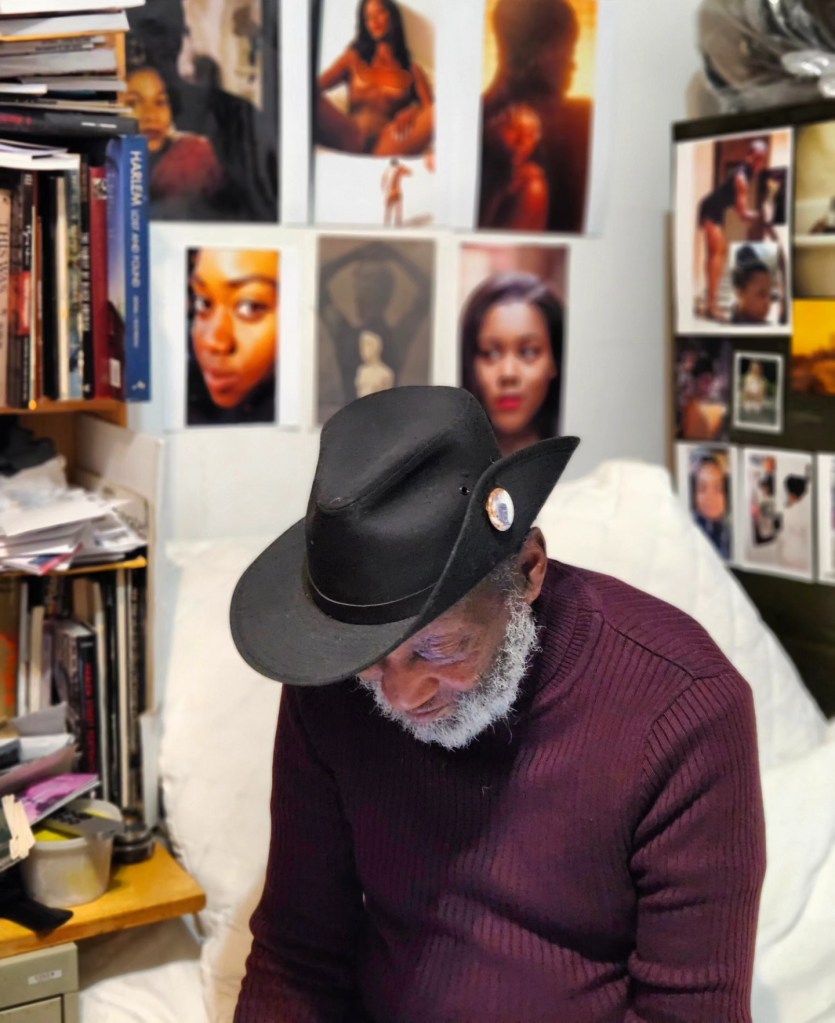
“Take pictures, video, ask me about anything,” Louis graciously offered as we walked through the door. And it was a good thing, because I think I blacked out.
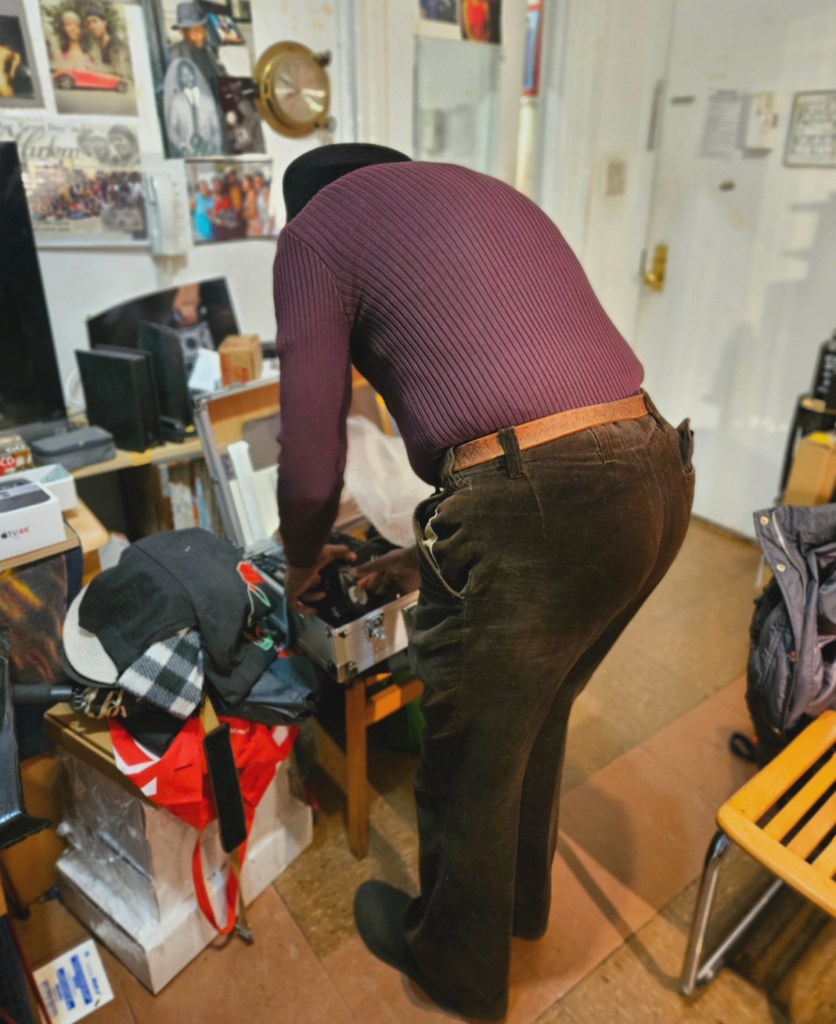
No matter where I lay my eyes, they found a photograph, photography equipment, or a book on photography, history or the Black experience.
Museum, temple, sanctuary.
Despite the ordered clutter, spirits lived here, and I was pushing past the veil.
We ate in near silence while I absorbed my surroundings. A sticky trap on the tile floor had caught a single roach that flipped in every direction before it just laid down. Live footage of the universe watching me in Louis’ apartment.
He answered every question I asked, and a lot that I didn’t. “That girl was a virgin. This man didn’t want his photograph taken. That was the time I put myself in front of the camera at the Macy’s Thanksgiving Parade.” For every picture, there were two or three stories to tell.
As soon as I sat for a moment, he stood and unlatched an aluminum case in a nearby chair.
“Put this around your shoulder.” His worn hands extended a thin leather strap attached to yet another vintage camera.
“Now hold the lens to your eye. You see two of me? Turn that knob until you see one. Then take your left thumb—press that button. That’s it. You’re ready.”
I somehow managed the presence of mind to realize that no matter how many New Yorkers knew Louis Mendes, only a few had ever sat in my place.
I asked for another picture.
He gleefully switched on a lamp that he told me he built himself from spare parts, lightly posed me—something Louis never does with his public subjects—and clicked.
“That’s a good one. That’ll be important,” he pointed and admired his still-developing instant photo.
I can’t remember whether I said out loud that it already is. 🖤
[Ed. Note: This post is part of a one-time February 2024 mini-series that took me to NYC where I was treated to an abundance of Blackstories first-hand. In place of my usual February content, I chose to share my own real-time (-ish) lived experience to honor the vibrant people New York put in my path.]
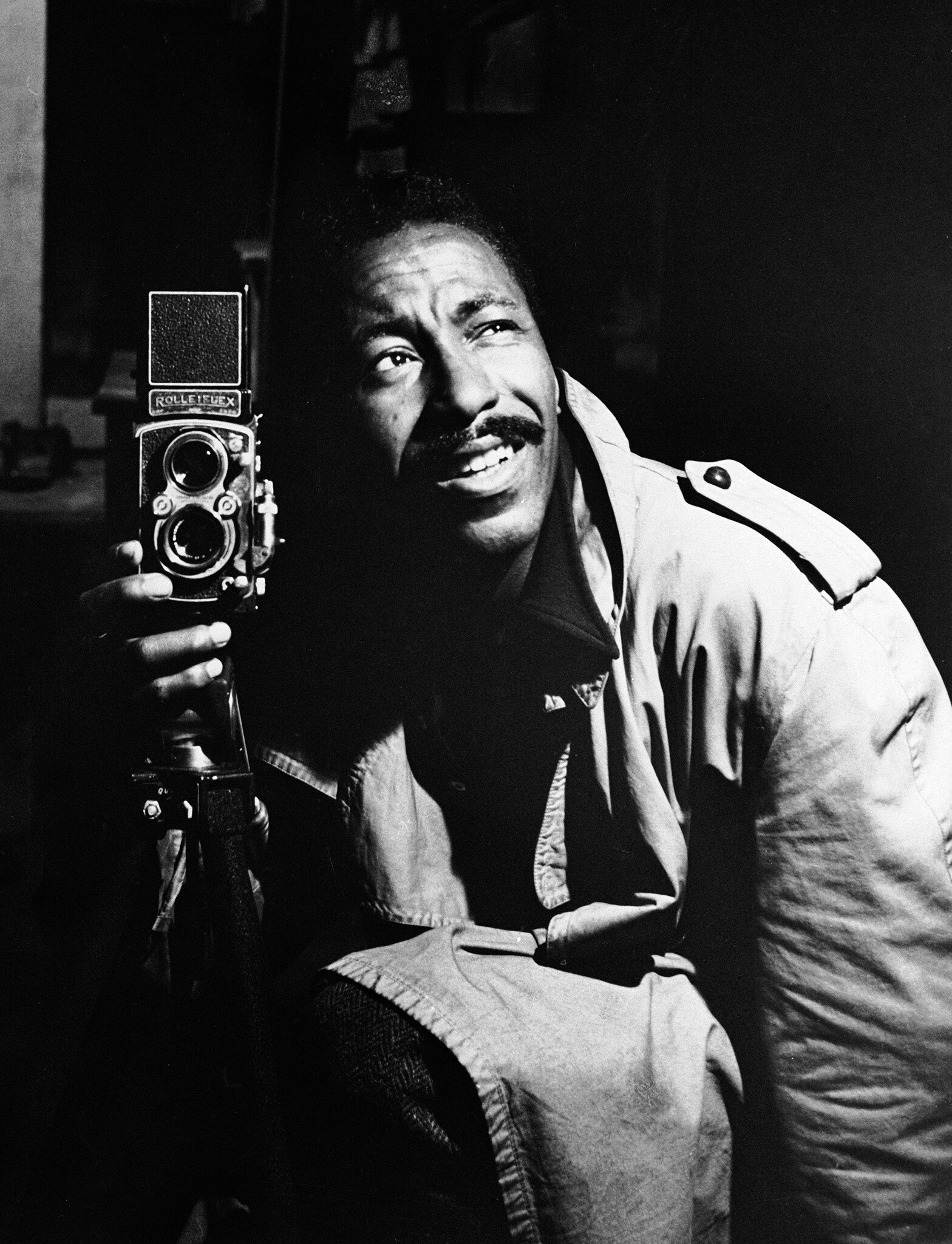
“I saw that the camera could be a weapon against poverty, against racism, against all sorts of social wrongs. I knew at that point I had to have a camera.”
In 1938, Gordon Parks bought that camera, and for just $7.50, he became the first black man to make the world truly see its reflection through his eyes.
And those eyes had seen more in his 26 years than most had seen in a lifetime. Gordon lost his mother as a teenager and had subsequently been homeless, a high school dropout, a piano player and singer, busboy and waiter, semi-pro basketball player, and worked for the Civilian Conservation Corps. But when he chanced upon a discarded magazine featuring photojournalistic images of migrant workers, immediately Gordon envisioned himself as the man behind the camera. “Still suffering the cruelties of my past, I wanted a voice to help me escape it,” Gordon recounted in his autobiography. “I bought that Voightlander Brilliant at a Seattle pawnshop; it wasn’t much of a camera, but.. I had purchased a weapon I hoped to use against a warped past and an uncertain future.”
Whether his camera was a weapon or a good luck charm, right away, things started looking brighter for the young man. From one of his very first rolls of film came his first exhibition, a window display of his images by his developer, the local Eastman Kodak store. On their recommendation, he charmed his way into a job shooting for a women’s clothing store where his good luck just kept on growing. That store happened to cater to Marva Louis, wife of heavyweight champion Joe Louis. In Chicago, there was a true demand for a photographer of his caliber, she teased.
In hindsight, Gordon wrote, “a guy who takes a chance, who walks the line between the known and unknown, who is unafraid of failure, will succeed.” It was easy advice for the man who’d arrived in Chicago and taken freelance jobs shooting on the South Side before winning a fellowship to work in the Washington D.C. Farm Security Administration, the very same agency that’d published the photos inspiring his photography in the first place.
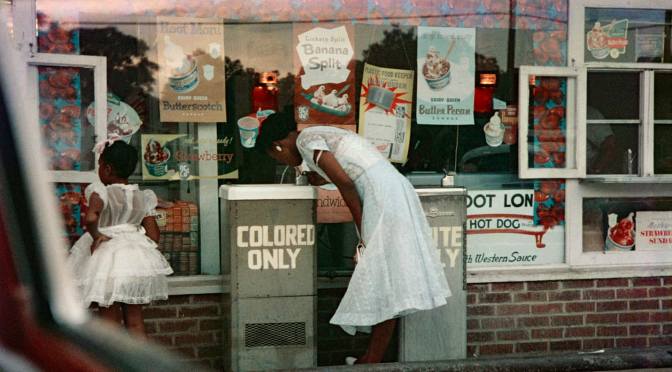
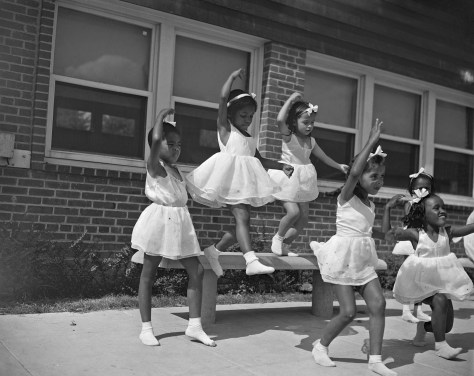
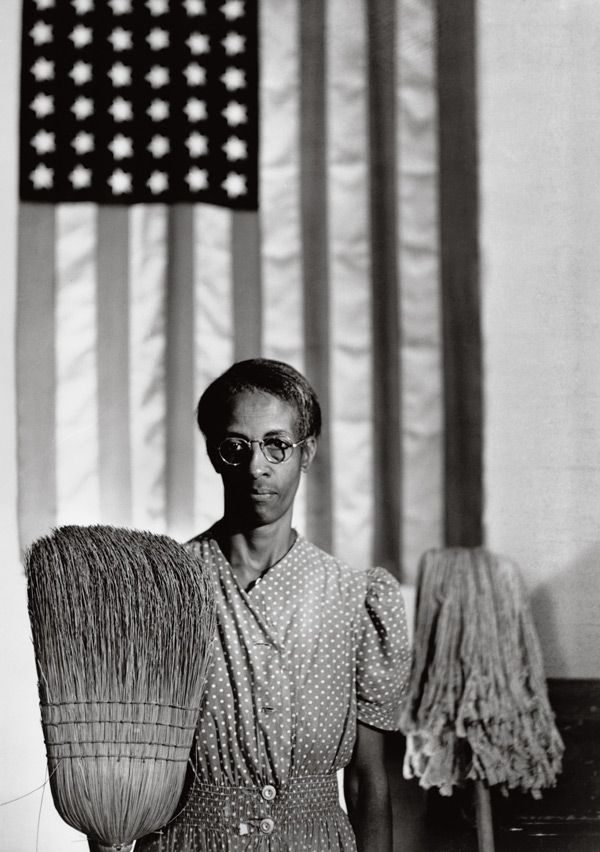
Gordon became an undeniable asset to the FSA in the middle of their campaign to win the hearts and minds of Americans for Roosevelt’s New Deal. Since many voting Americans didn’t know the plights of farmers, migrant workers and rural towns the New Deal was expected to help most, the FSA had been tasked with photographing that demographic sympathetically. Gordon was crucial in that effort. The extremely poverty-stricken (of all races) and people of color could allow themselves to be vulnerable to a black man who was himself already accustomed to being invisible. His photographs, including one of his most famous taken right in the offices of the FSA, were full of raw emotion and evocative scenery unlike any other captured during the mid-30s and 40s.
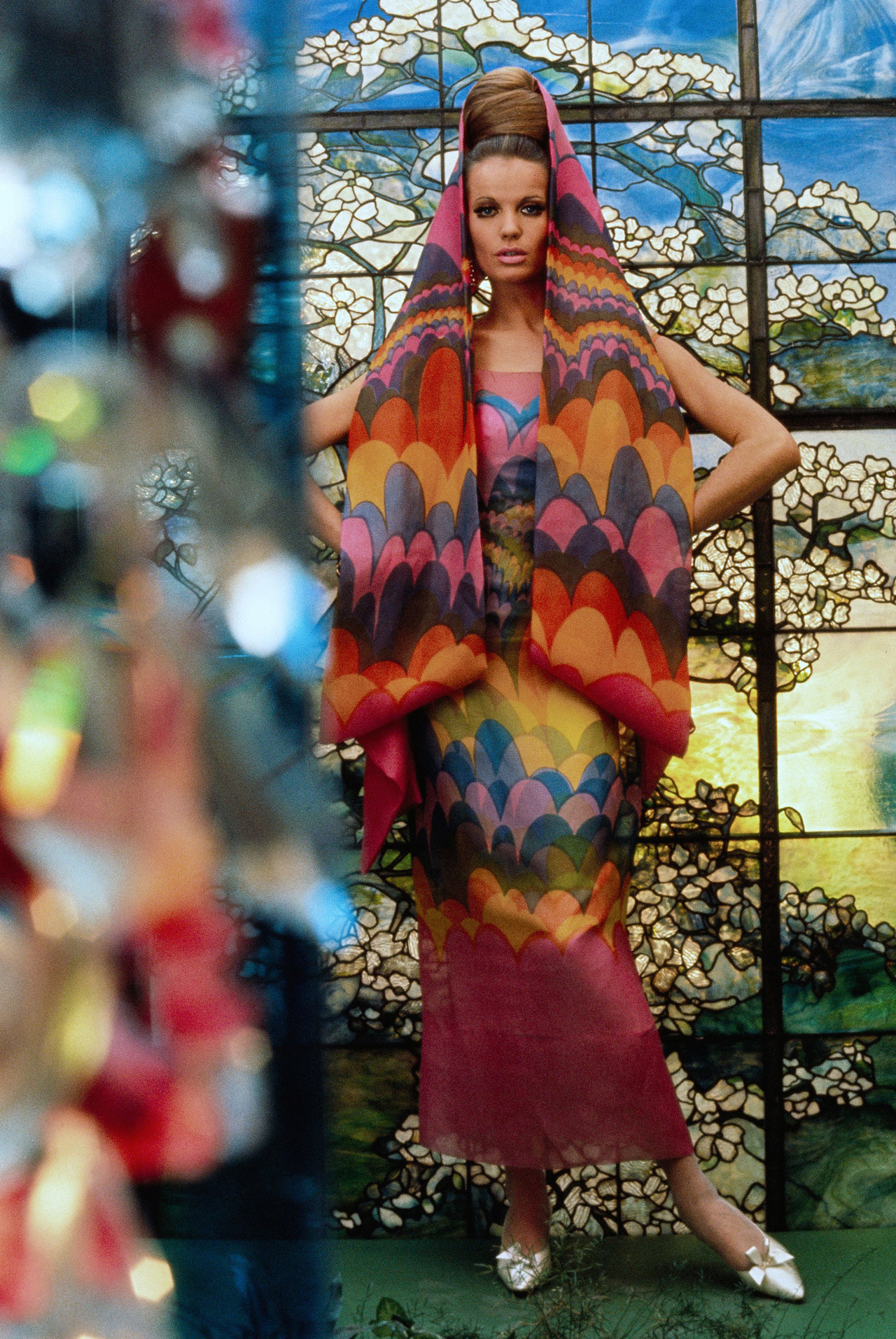
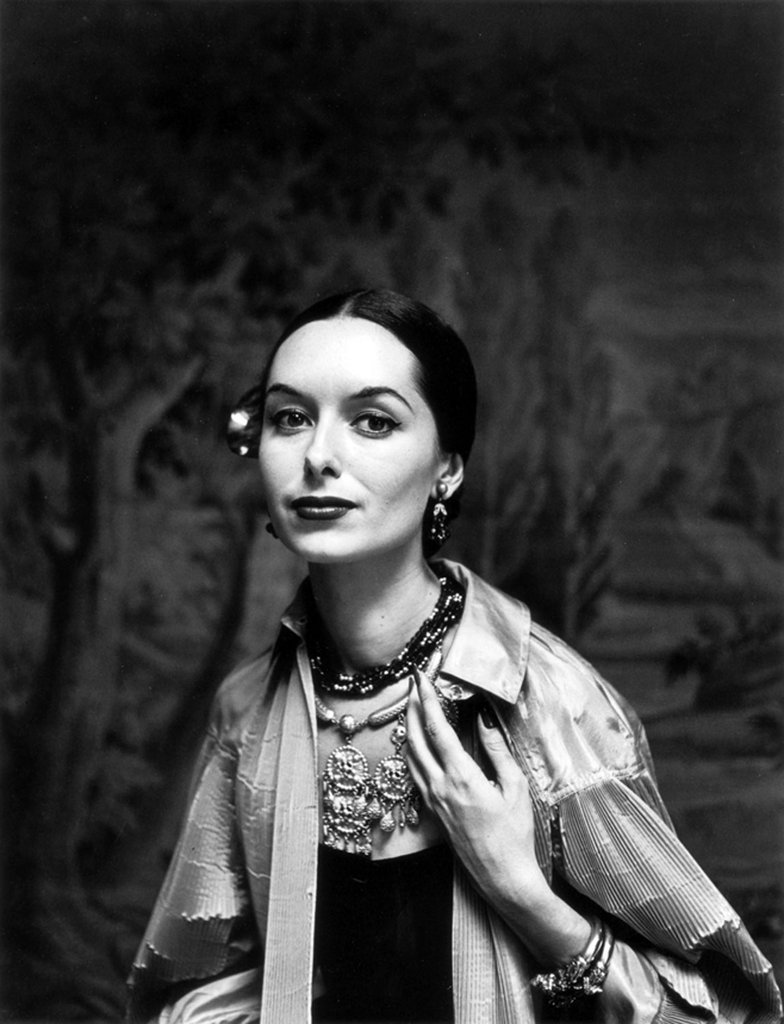
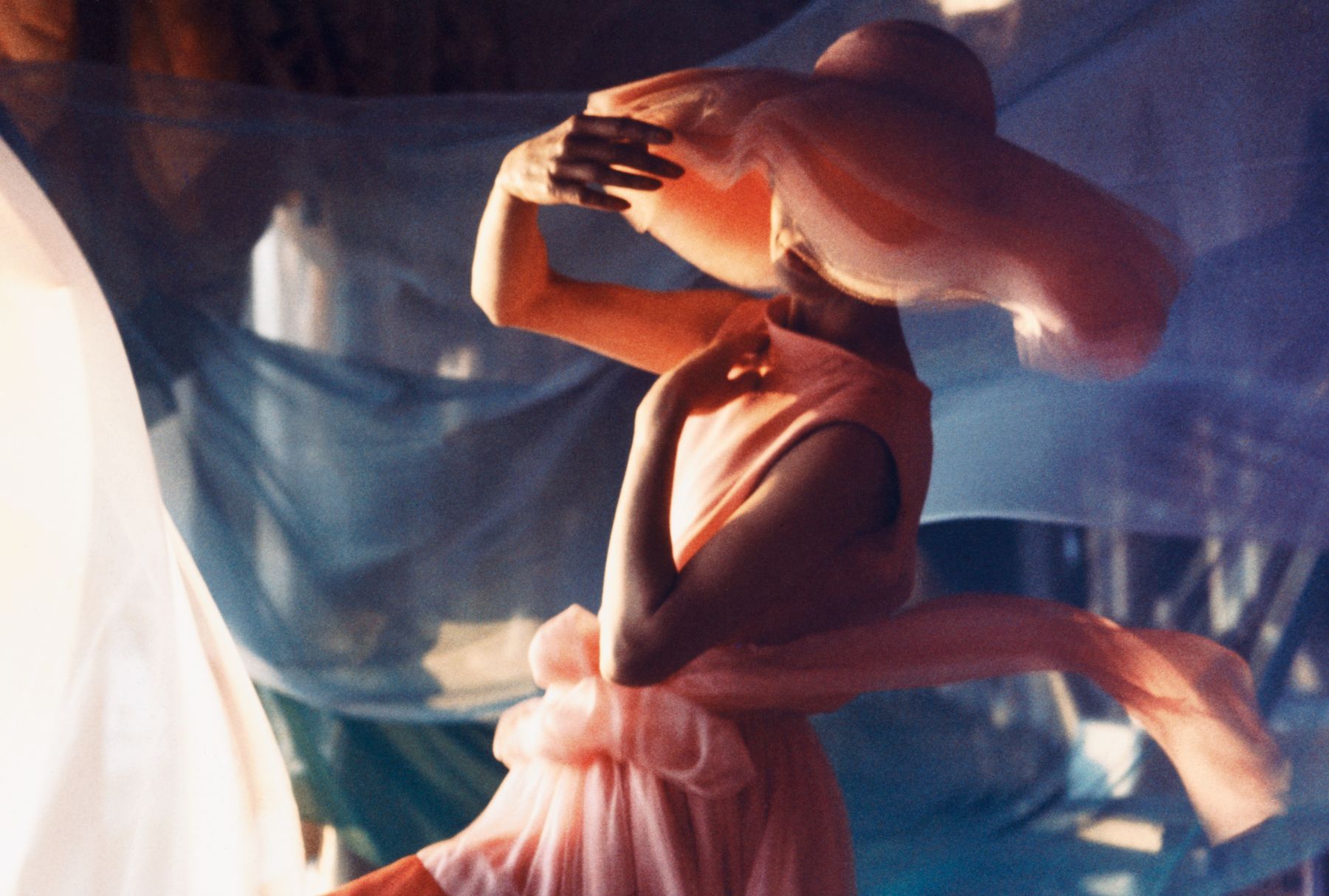
By then, his humanizing eye had gained a following of its own beyond the public sector, and when Gordon finally hung up his government service hat in 1943, he relocated to Harlem, where a very famous name was waiting for his services next: Vogue Magazine. At a time when some black American men were still being lynched for looking at white women, one of the world’s most recognized fashion publications sought out Gordon’s gaze as their first black photographer.
With fashion came with its own vast new world of photographic techniques, settings and points of view. Gordon dominated them all. But for a photographer used to shooting portraits and candids, fashion photography came with its own challenges. Namely, models. Their over-posing and intense awareness of the camera didn’t fit his vision of how real women wanted to see fashion, and though he’d spent 5 years delighting Vogue’s readers with his fresh new approach, when LIFE Magazine came calling next, he quickly answered, becoming their first black photographer as well.
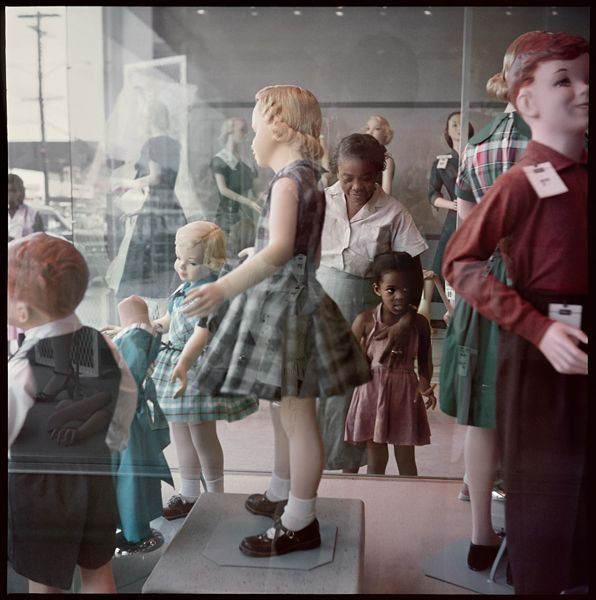
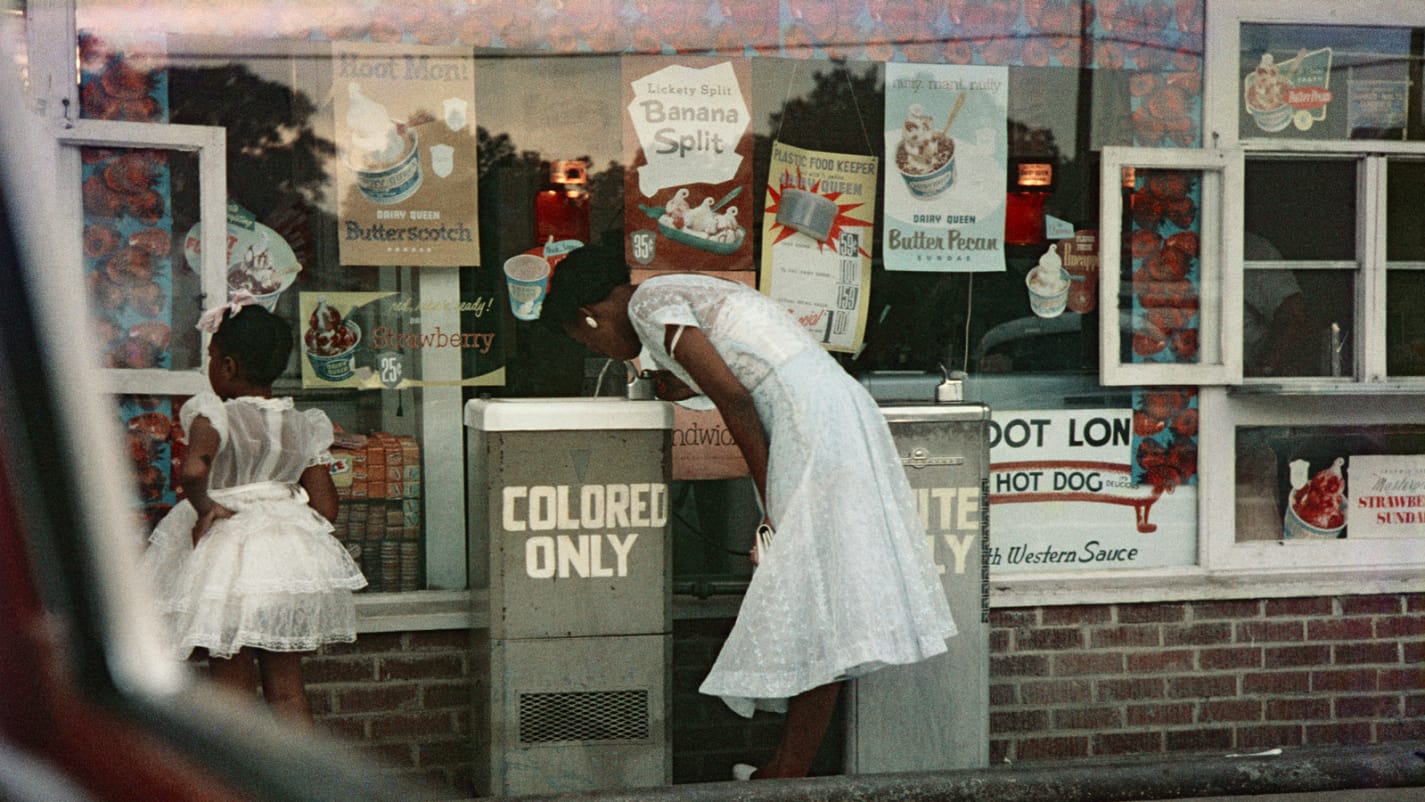
It wasn’t all roses for Gordon though. His willingness to work for white-owned publications made him an outcast in some black communities, and a still racist society meant there were no protections for him, neither in-office nor on assignment. But navigating extremes was nothing new for Gordon, who’d seen some of the best and worst life had to offer before he’d even turned 40. “The pictures that have most persistently confronted my camera have been those of crime, racism and poverty. I was cut through by the jagged edges of all three. Yet I remain aware of imagery that lends itself to serenity and beauty, and here my camera has searched for nature’s evanescent splendors,” Gordon mused.
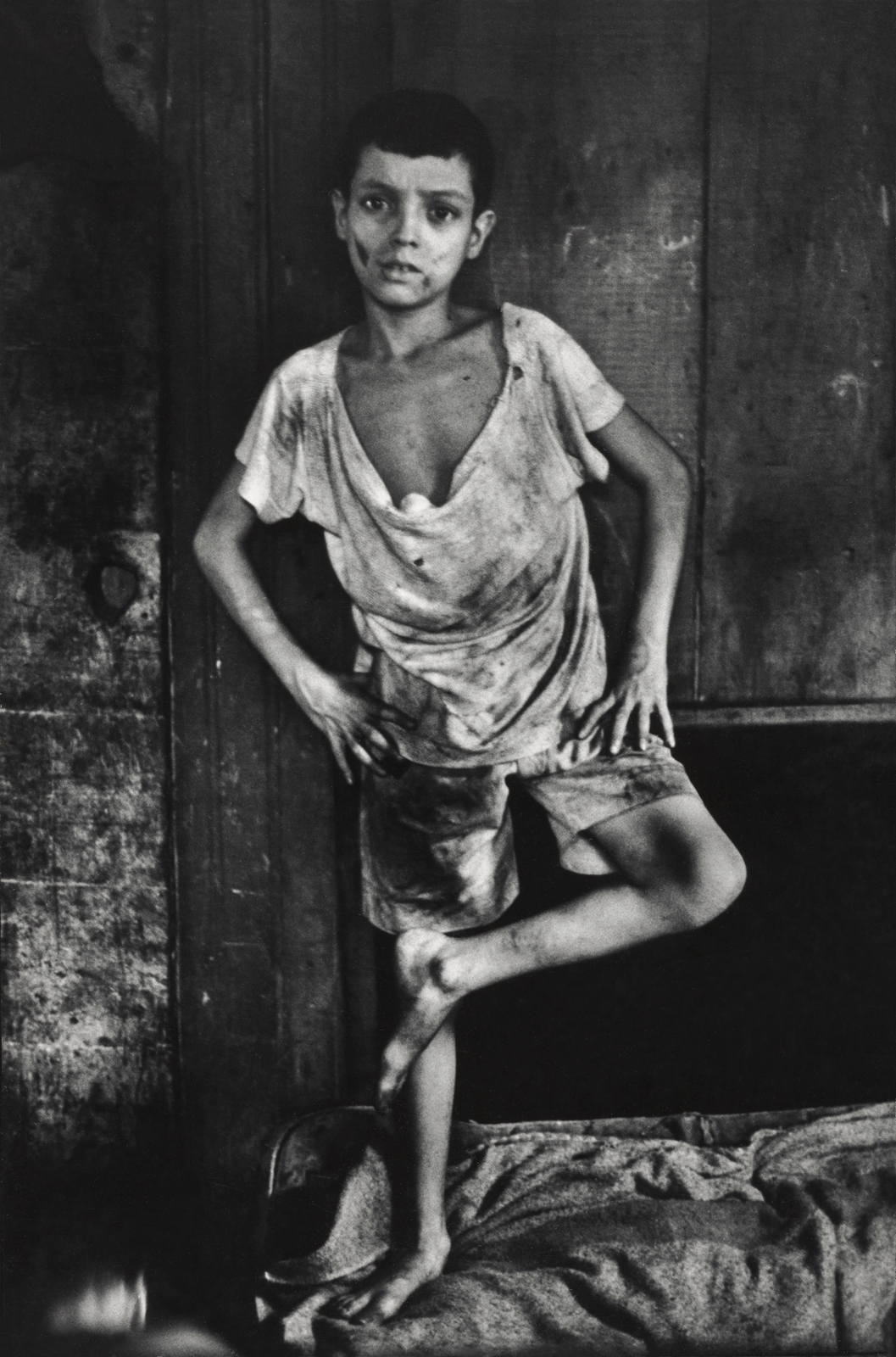
Flavio da Silva, 1961
And for the next 20+ years, LIFE made the most of his vast wellspring of talent, access, and life experience, sending him on assignments that included the Black Panthers and Harlem gangs, celebrities, Parisian life, and even the slums of Rio de Janeiro, where he quite possibly launched the world’s first Kickstarter. When LIFE published his 1961 photo-documentary of a sick little boy named Flavio and the struggle his family faced in Brazil, the magazine’s readers spontaneously donated over $30,000 for the boy’s medical treatment in the States as well as a new home for his family. There were few clearer examples of the weapon he’d formed against poverty and racism doing its work to breaking barriers.
But Gordon had so much more to do. By 1962, he was writing books. By 1968, he was producing his own movies. And finally, by 1971, “Shaft,” his blueprint for the blaxploitation movie, made him the first black man to release a major motion picture, too. “Like souls touching… poetry, music, paint, and the camera keep calling, and I can’t bring myself to say no.”
By the time he died in 2006 at the age of 93, Gordon had won too many photography awards to count, 40 honorary doctorate degrees, the National Medal of Arts, the NAACP’s Spingarn Medal, and hundreds more. But even more significant are the millions of photographs, 12 films written or directed, 12 books and countless other artworks by a man who showed American society how much more of its beauty is visible when seen through a darker lens.
James Van Der Zee was a master of composition, but his most brilliant works were created not behind his violin or piano, but through the lens of his camera.
When he made his way to Harlem in 1906, it wasn’t his first time. He’d visited often from his small hometown in Massachusetts, and marveled at the pictures he’d taken in the big city since he was 14, honing his eye along the way.
A couple enters James Van Der Zee’s 135th Street brownstone basement GGG Photo Studio in Harlem.
But photography couldn’t pay the bills, and surprisingly enough, his skill as a musician could, so he created and subsequently packed theater houses with the Harlem Orchestra. He even performed with jazz icons, but still his eye wandered back to the camera. Having regularly worked small jobs between music gigs, it was no surprise when in 1915, he landed one as a darkroom assistant whose skill was proven so quickly that he was promoted to portraitist within a year, and opened his own studio on 135th Street within two.
Jean-Michel Basquiat, and his cat.
His talent couldn’t have come to fruition at a more fortuitous time for both James and the residents of Harlem. With the start of the Harlem Renaissance around 1918, black art, literature and culture was gaining international recognition, and being celebrated within black communities on its own merits and for its success in the mainstream. Black photographers were included in this praise, and also key to capturing the social, economic, and personal benefits that many black people were enjoying for the first time in America. In James’s studio, some of the most meaningful moments in everyday black lives and in all of black history were captured on film. Baby pictures, young newlyweds, funerals, civic groups and iconic portraits of black leaders and celebrities were all included in his exquisite body of work which spanned until 1982, nearly right up until his death a year later at the age of 96.
But his photographs are so much more than the sum of their parts. He didn’t just capture a black middle-class in the height of their recognition by a society that had previously enslaved them. At the start of his professional career, he made it a point to sign, date and number each of his photographs. Such care for his craft and attention to detail meant that when his work was discovered in 1967 by a researcher for The New York Metropolitan Museum of Art, his then 75,000 photographs became one of the most fully verifiable and extensive archives of black life since slave records. Because marriage/birth records and the ability to freely own property weren’t available to black people until in some cases well after the Civil War ended in 1865, further proof of our generations, personal wealth and especially a positive visual record of both beyond often sparse government and media documentation was tremendous to the culture and to the further preservation of our place in America’s past.
As a black man positioned behind a camera during one of the most significant eras of black history, James was able to show the whole world an entirely novel perspective on his subjects, no matter their status or the gravity of the occasion. When asked why and how he created such ethereal and regal images, he remarked “I wanted to make the camera take what I thought should be there.” What James Van Der Zee and his camera left behind was a legacy of black excellence.
KEEP GOING BLACK IN HISTORY:
James’ Metropolitan Museum of Art exhibit was accompanied by a catalogue of newspaper articles and curated images from Van Der Zee and other black photographers, available here.





















 THE AMERICAN BLACKSTORY