If a photograph of Ellen Valenton ever existed, it didn’t survive nearly two centuries.
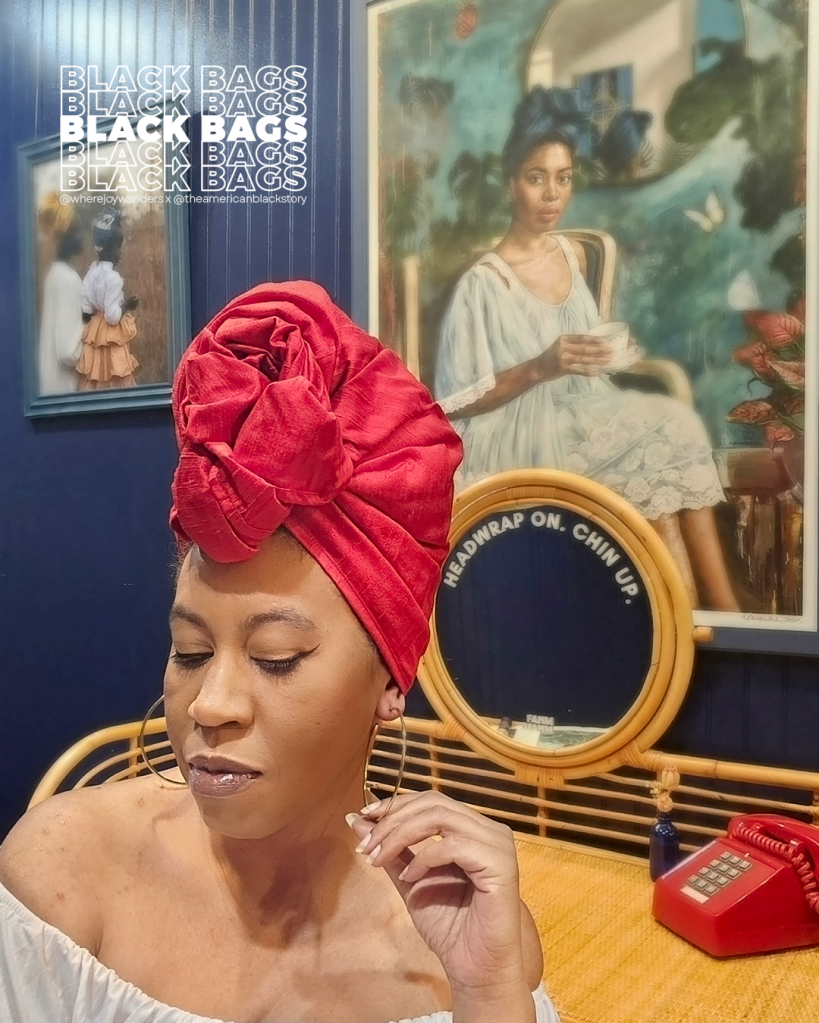
So I have no idea if she left her house in New Orleans’ 10th Ward wearing a tignon.
But Ellen was exactly who Tignon Laws were designed to oppress.
New Orleans’ femmes des couleur libre—free women of color—held a unique social status. They owned their own property and businesses, exercised their legal rights, and some achieved a net worth upward of $10,000.
With all this access, they’d become white men’s companions, white women’s competition, and total chaos to a social hierarchy established on skin color.
And Ellen DID leave a glimpse of that chaos behind.
Starting with the 1860 U.S. Census, she and her daughters are magically “white” then “negro” over and over again.
So, since they weren’t always clearly identifiable and could all use a visible reminder of their place, women of color — whether light or dark, free or enslaved — were forced to identify as a “slave class” whose hair would be covered in public with “tignons.”
But the moment Empress Joséphine Bonaparte saw women of all skin colors wearing gorgeous tignons and started wearing one of her own, the femmes des couleur libre’s Scarlet Letter was suddenly mainstream fashion.
So I can’t know for sure if Ellen wore a tignon for the culture, for the style, or if she refused altogether.
But I’m absolutely certain of the rest.
Because Ellen Valenton is my great-great-great-grandmother.
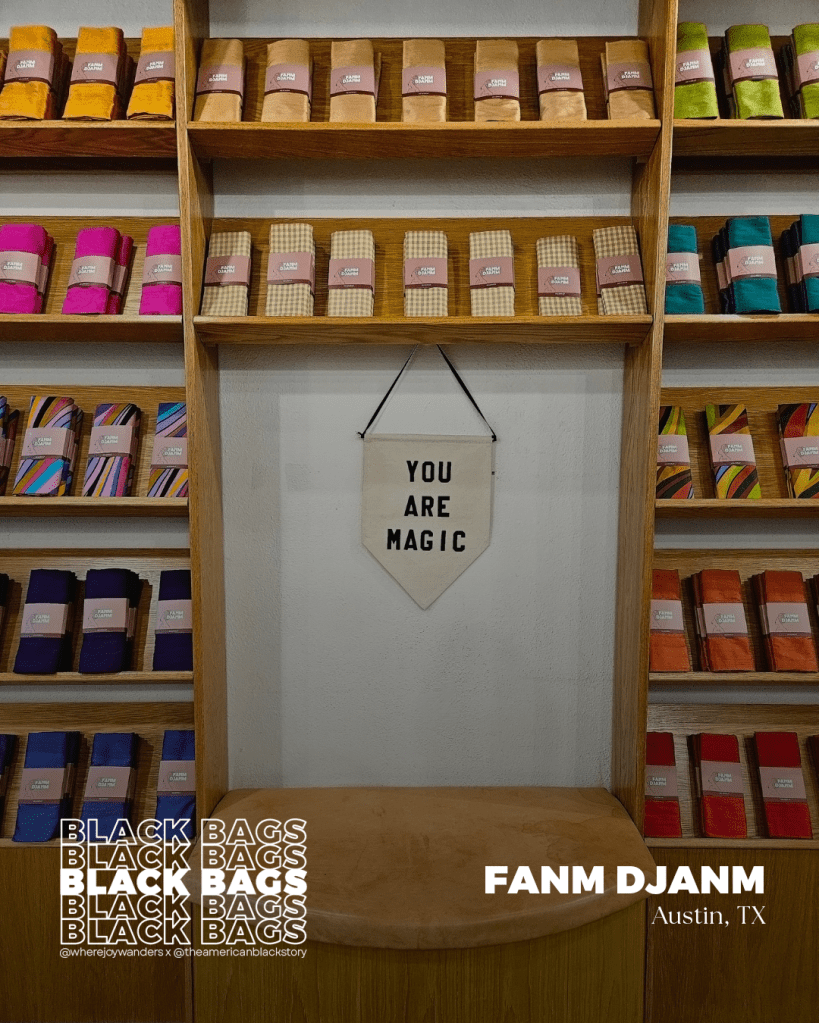
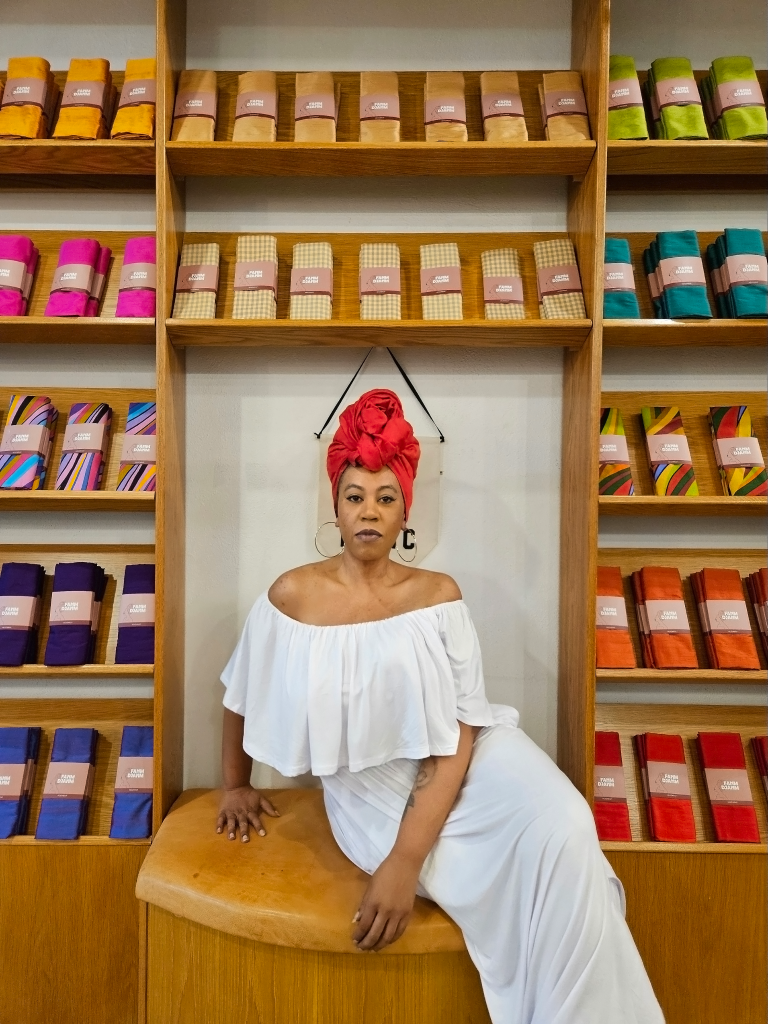
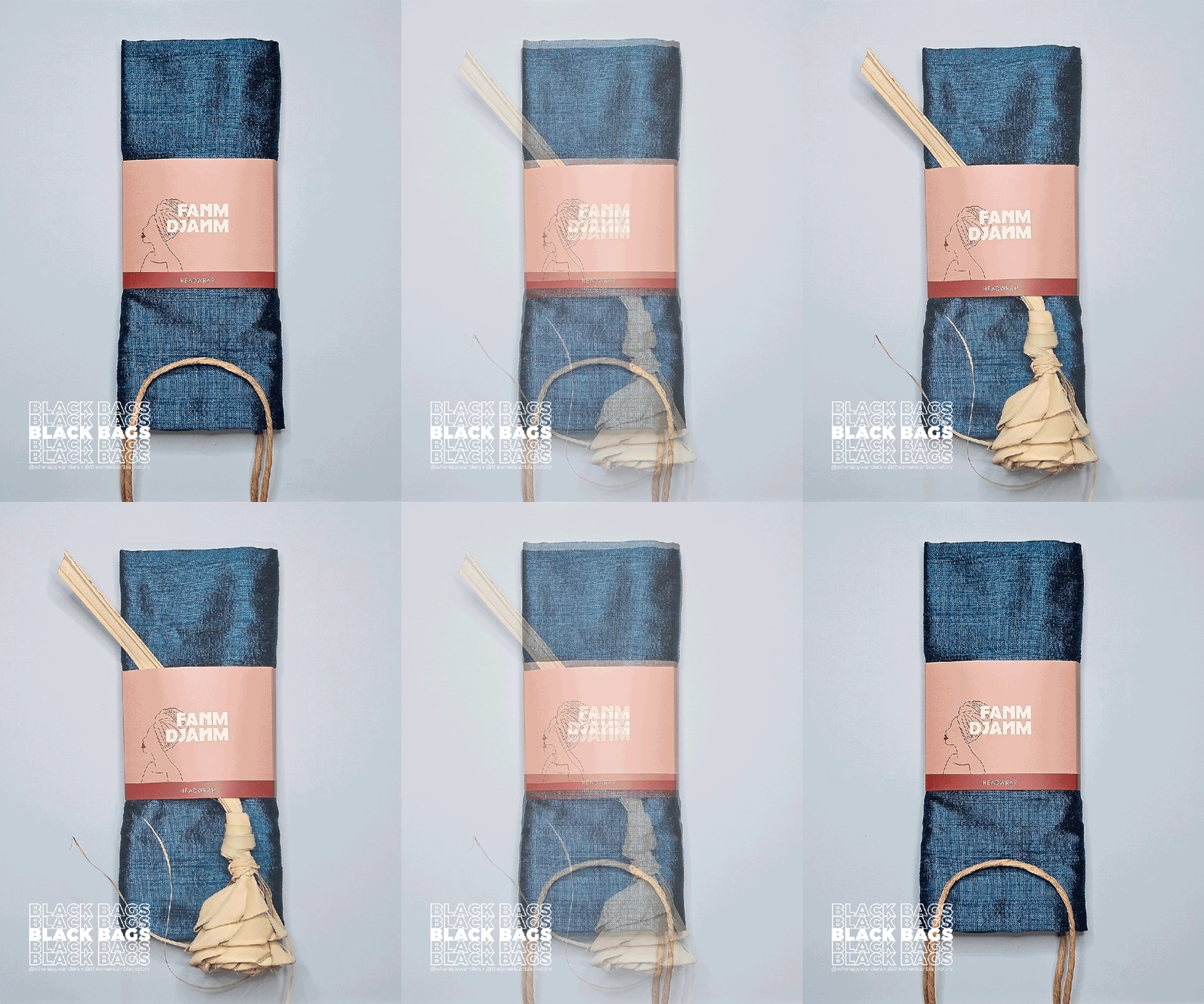
So I walked into @fanmdjanm (Haitian Kreyol for “strong woman”) less focused on spending money than what I had to gain.
Rich silk, crisp cotton, and buttery jersey lined a full wall like paint samples of both vibrant color and vivid history, with each one calling to mind some photograph, painting, or real life experience with women across the African diaspora.
But I can only imagine Ellen.
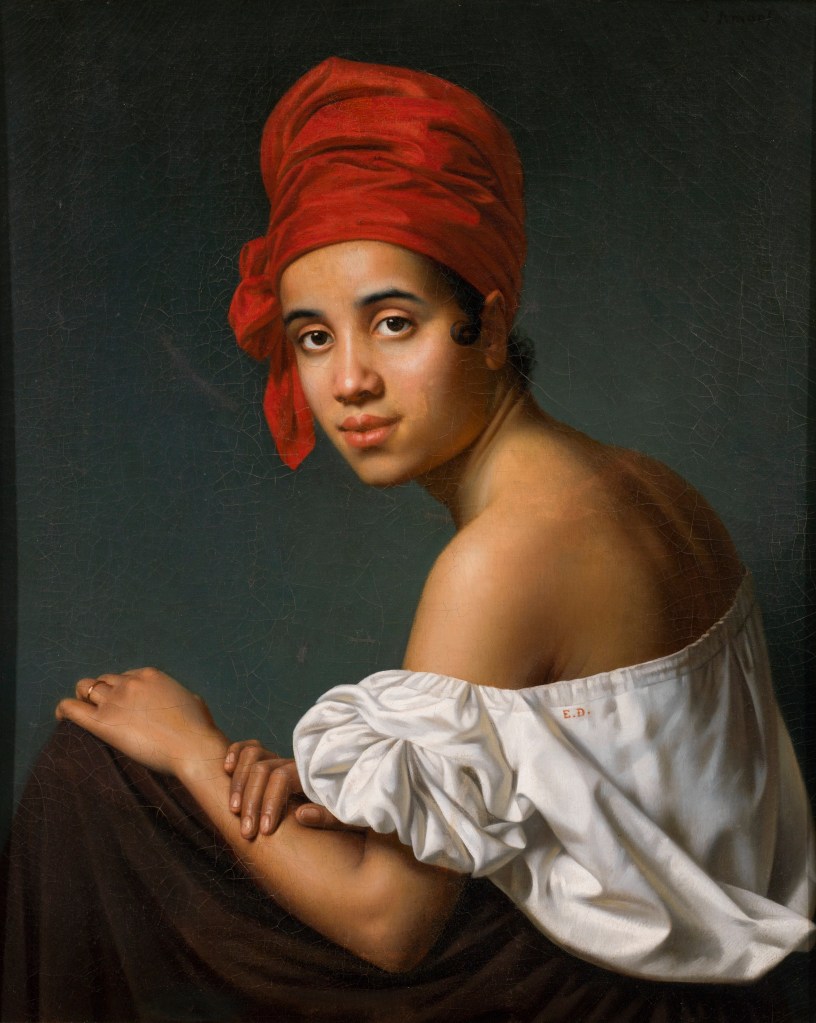
And when I do, a portrait comes to mind: Jacques Amans’ “Creole in a Red Headdress.”
I wonder how many other women walk into Fanm Djanm with that same vision.
And how many more walk out completely unaware that their paper bag is carrying a crown.
BLACK BAGS, Vol 3. — BLK MKT Vintage | SUPPLEMENTAL
I’ve got over 15 years of education and experience in Advertising.
That makes me Old Head and Baby Girl at the same damn time.
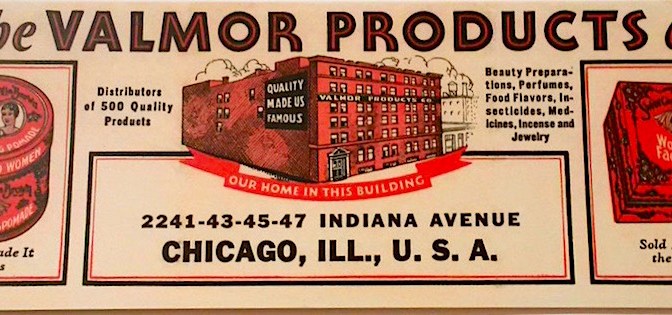
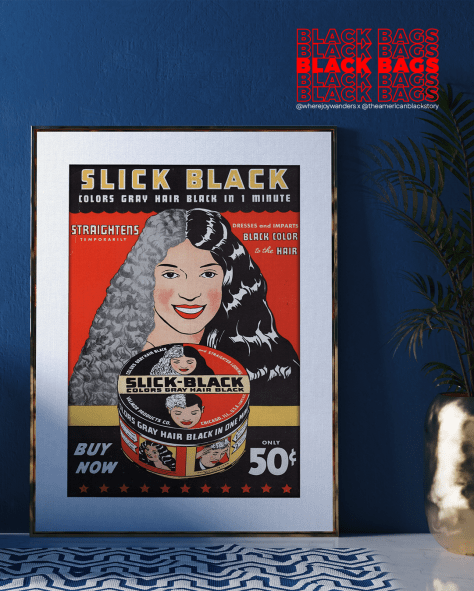
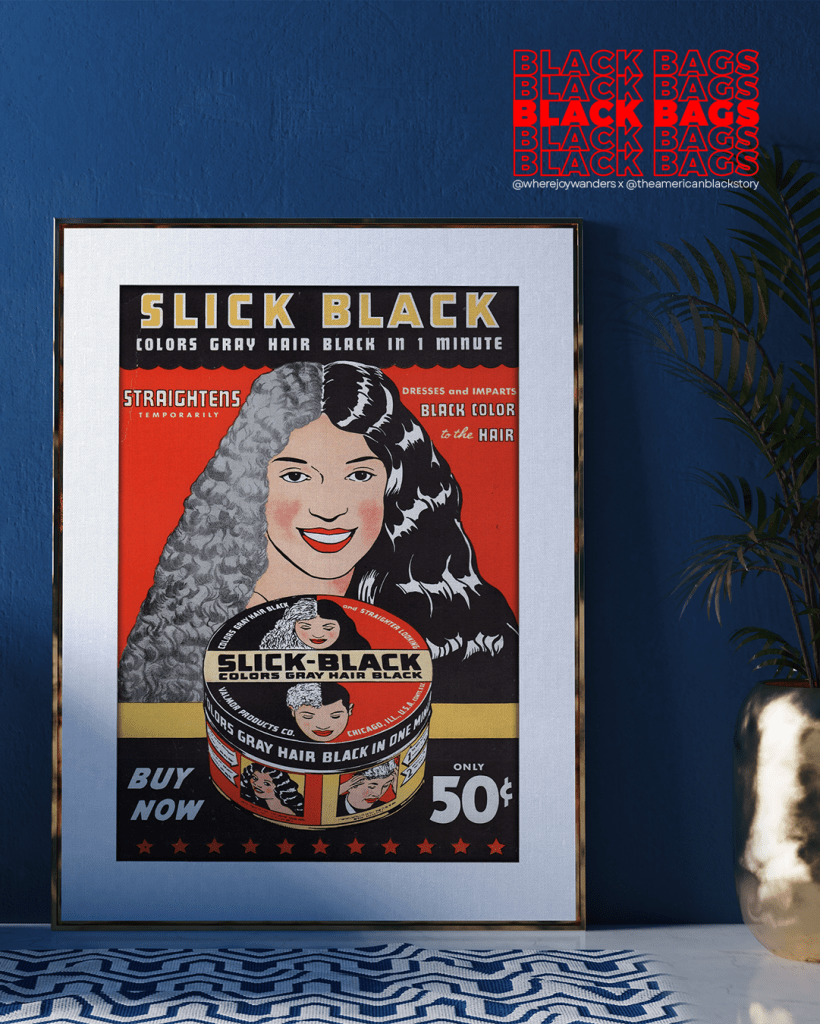
Still, enough that I should have known the name “Charles Dawson” WAY BEFORE this vintage Slick Black Hair Color broadside from BLK MKT Vintage arrived at my door.
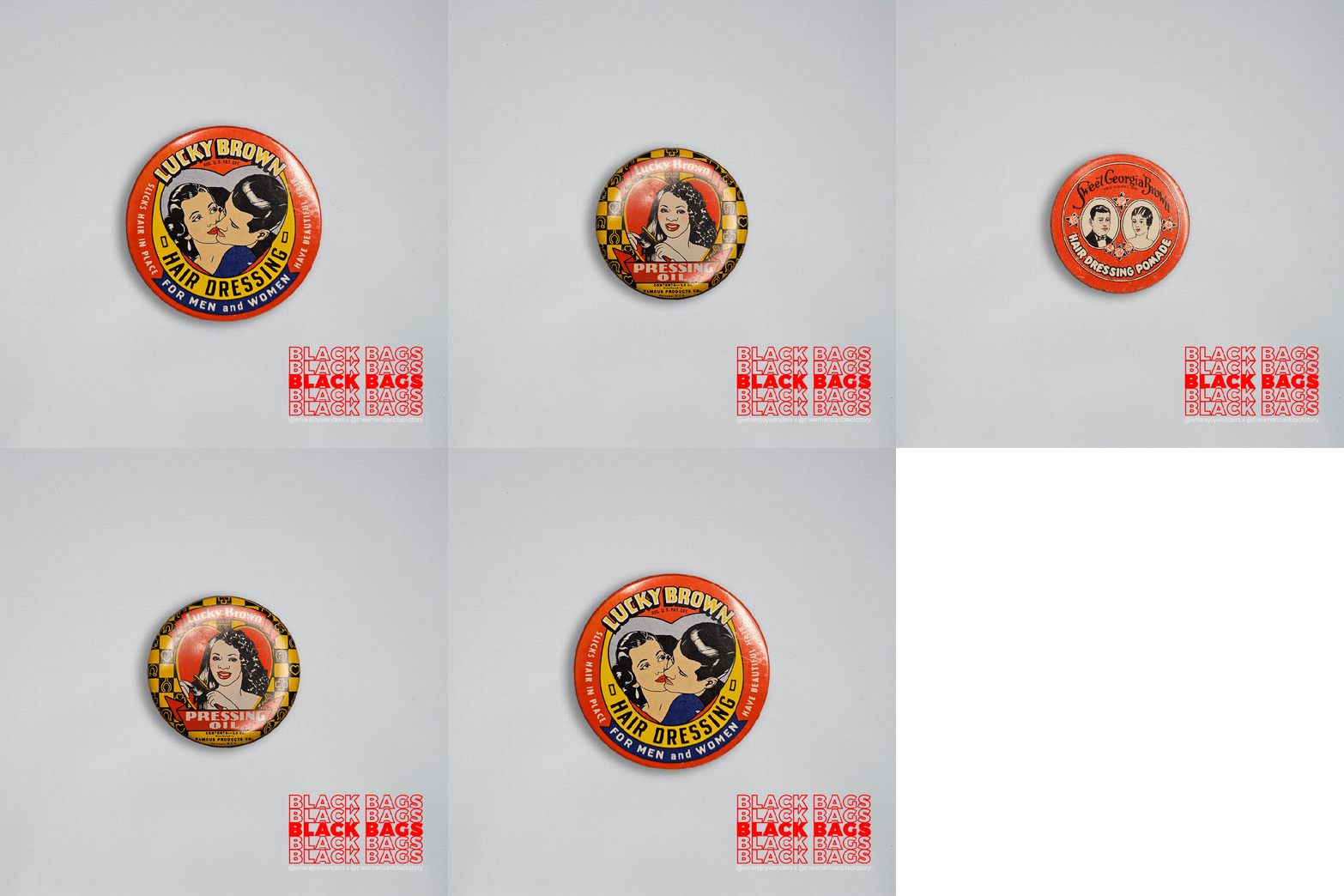
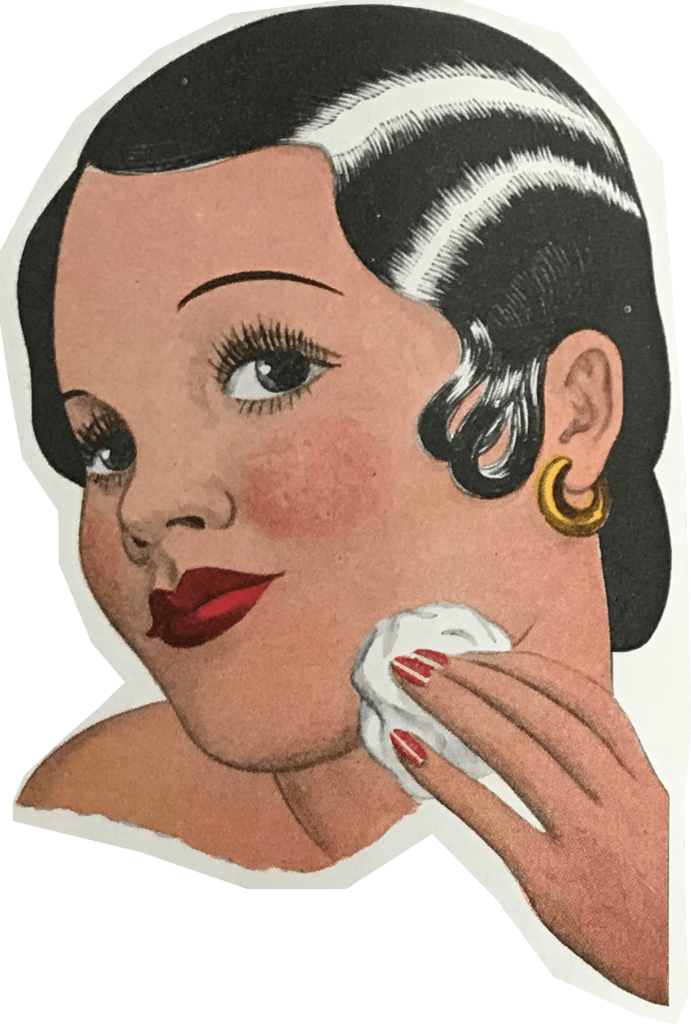
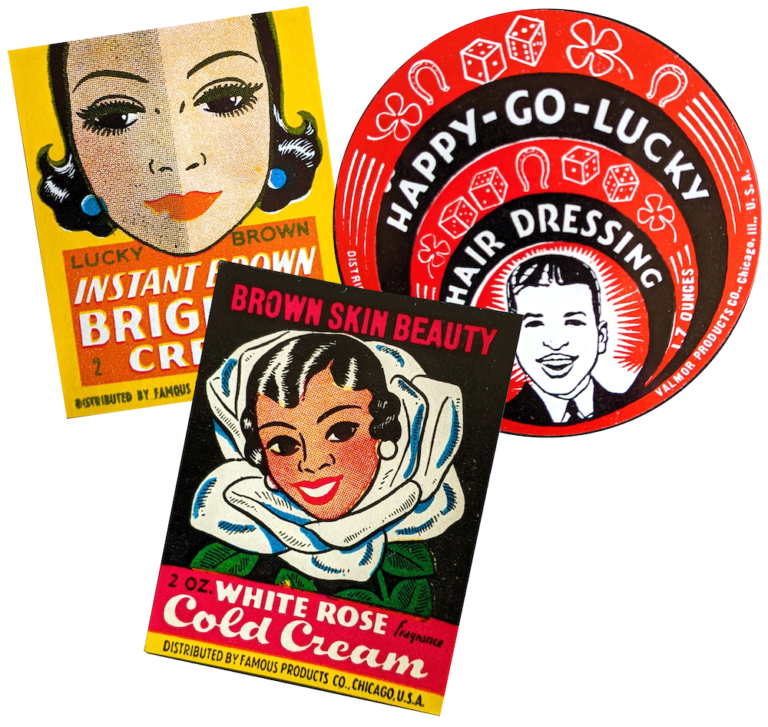
During the Great Depression — nearly 40 years before “Black was Beautiful”— Black designer Charles Dawson created gorgeous packaging targeting Black and Latino consumers for Chicago’s Jewish-owned Valmor Products.
And not just a handful of niche hair pomades.
Valmor’s subsidiaries included Lucky Brown, Peachy Brown, Sweet Georgia Brown, Madam Jones, King Novelty, Famous Products Company, and many, many more.
Hundreds of face creams, hair products, perfumes & body oils, toothpastes, lotions, and home goods spanning global mail-order catalog, direct-to-consumer, and national drugstore distribution.
With people of color front and center on nearly every label.
Headquartered in one of the cities that put advertising on the map.
Charles Dawson was more than a graphic designer.
He was the Black beauty blueprint.
And I had to stumble across an 80-year-old+ rarity to even learn his name.
Yesterday, I dropped a term that might be unfamiliar: SANKOFA.
It’s a Ghanian word whose literal translation is “it is not taboo to fetch what is at risk of being left behind.”
Put simply, “go back and get it.”
Since the day BLK MKT Vintage introduced me to Charles Dawson, I’ve collected several of his originals, each one highlighting his stunning illustrations, signature primary colors, and exceptional talent at balancing bold design and a staggering amount of copy.
An assortment of Charles Dawson’s illustrations and labels, courtesy of the Made In Chicago Museum.
Nobody ever taught me about Charles Dawson’s work. Let alone his successor Jay Johnson.
And if I had a dollar… I’d be a billionaire.
Because they’re just a couple among countless legends nearly erased by who gets to tell the story.
And among many reasons I’m thankful to BLK MKT Vintage for helping me go back and get them.
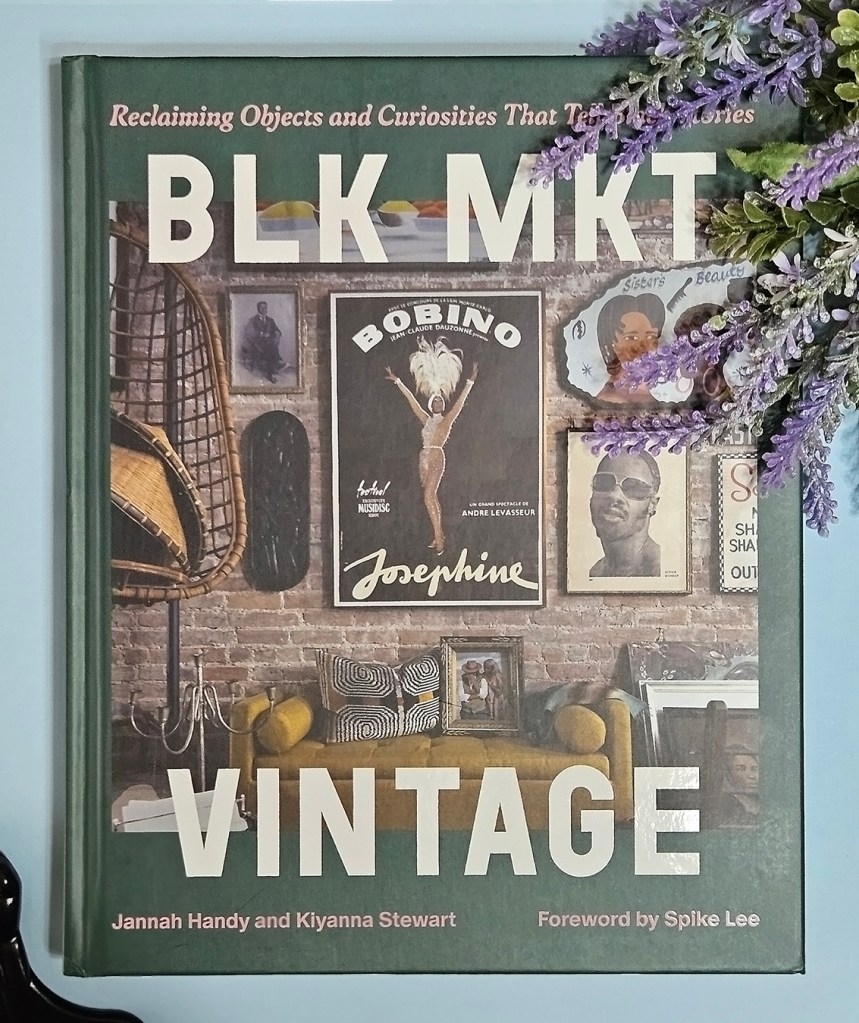
BLK MKT Vintage has seen more of my paychecks than the other three BLACK BAGS shops combined.
Theirs is also the only one I’ve never actually set foot into, and just one reason I try to avoid the phrase “next time.”
I mean… I WAS IN BROOKLYN AND EVERYTHINGGGG!
And then NY street photographer Louis Mendez said he wanted to get a picture of me with Spike Lee. 🤷🏽♀️
I regret (almost) nothing.
It even felt like fate that when I went looking for Brooklyn’s Black history, it found me instead.
(TSA and my bank account were also fully on board with fate, tbh.)
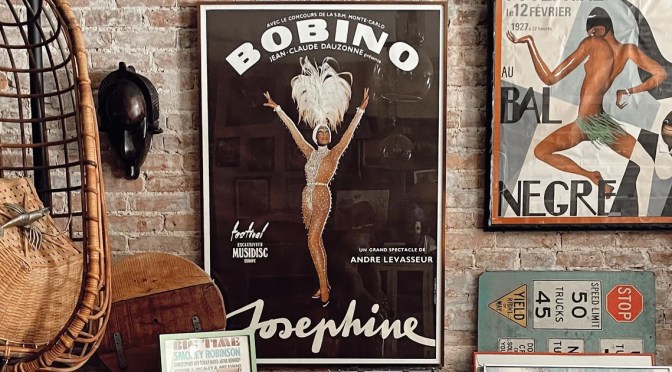
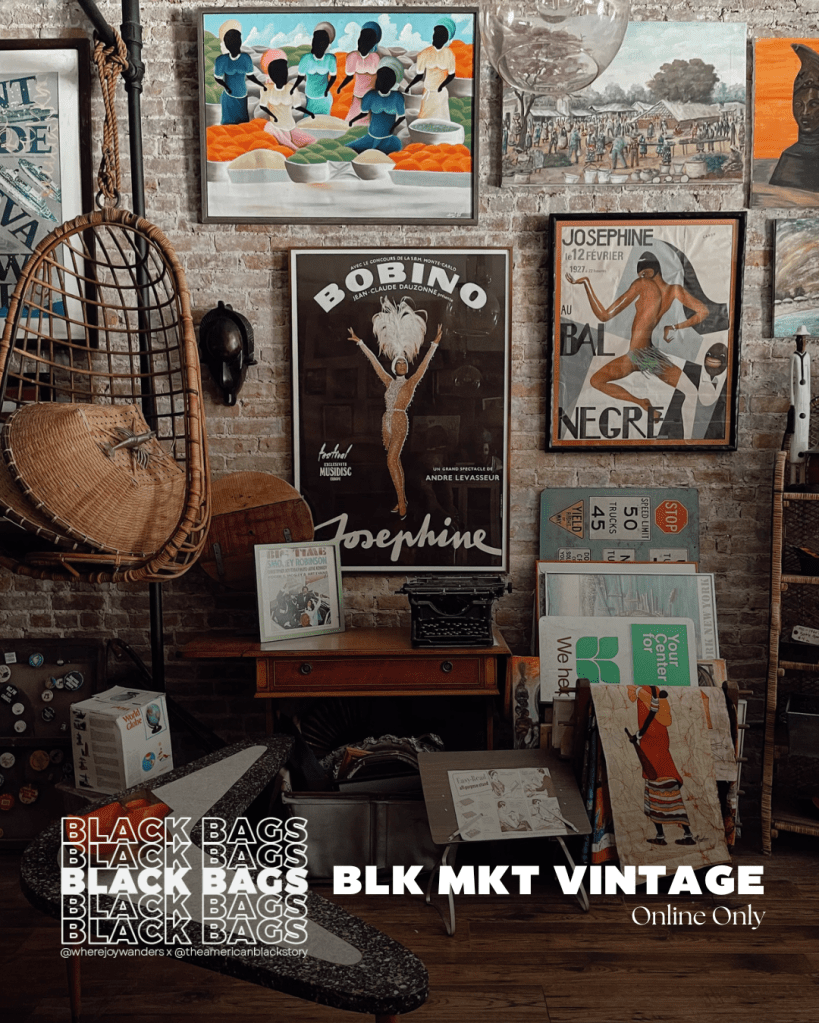
Until… BLK MKT Vintage closed their gorgeous brick-and-mortar, home to “collectibles, cast-offs and curiosities, which represent the richness of Black history.”
My inner antiquer will NEVER recover.
Sure, there’s no shortage of antique piles to comb for treasures.
Those treasures, though, so rarely reflect ME.
Discarded drawers overflow with beautifully illustrated Victorian postcards, maybe five of which feature a dignified representation of Blackness.
Gibson Girls, Norman Rockwell families, and feathered blonde hair grin from vintage ads, as if Coca-Cola and Budweiser bottles were labeled “Whites Only” too.
But BLK MKT Vintage curates ephemera that specifically bears witness to the Black lived experience.
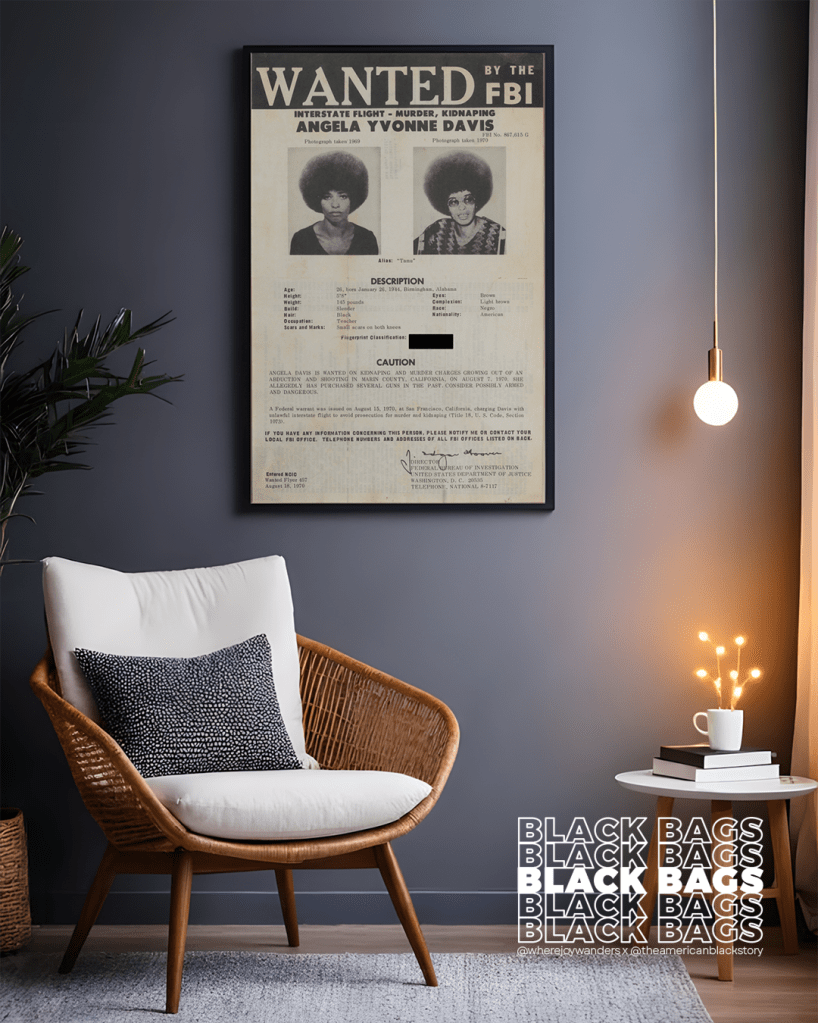
In my case, that’s an original Angela Davis FBI wanted poster and a 1930’s Slick Black hair product ad, two of my most prized BLK MKT Vintage finds.
But they also sell books, photographs, movie memorabilia, home decor and other meaningful cultural objects.
BLK MKT Vintage is the repository where there’s more to Black Americana than Bojangles, pickaninnies, and Aunt Jemima.
It’s a library of the Black diaspora from afros and Maya Angelou to Zambian art and Ziggy Marley.
Scattered throughout, general antiques like Kodak cameras, mid-century tins, even tourism bumper stickers, give BLK MKT Vintage’s inventory added depth that mirrors the Black American experience in itself — we stand at the intersection of American culture. So do they.
And nothing would please me more than helping discover something that fits you at blkmktvintage.com 🖤
It’s also home to my favorite place to indulge in a tradition that’s been almost entirely erased.
But it’s not exclusive to Atlanta.
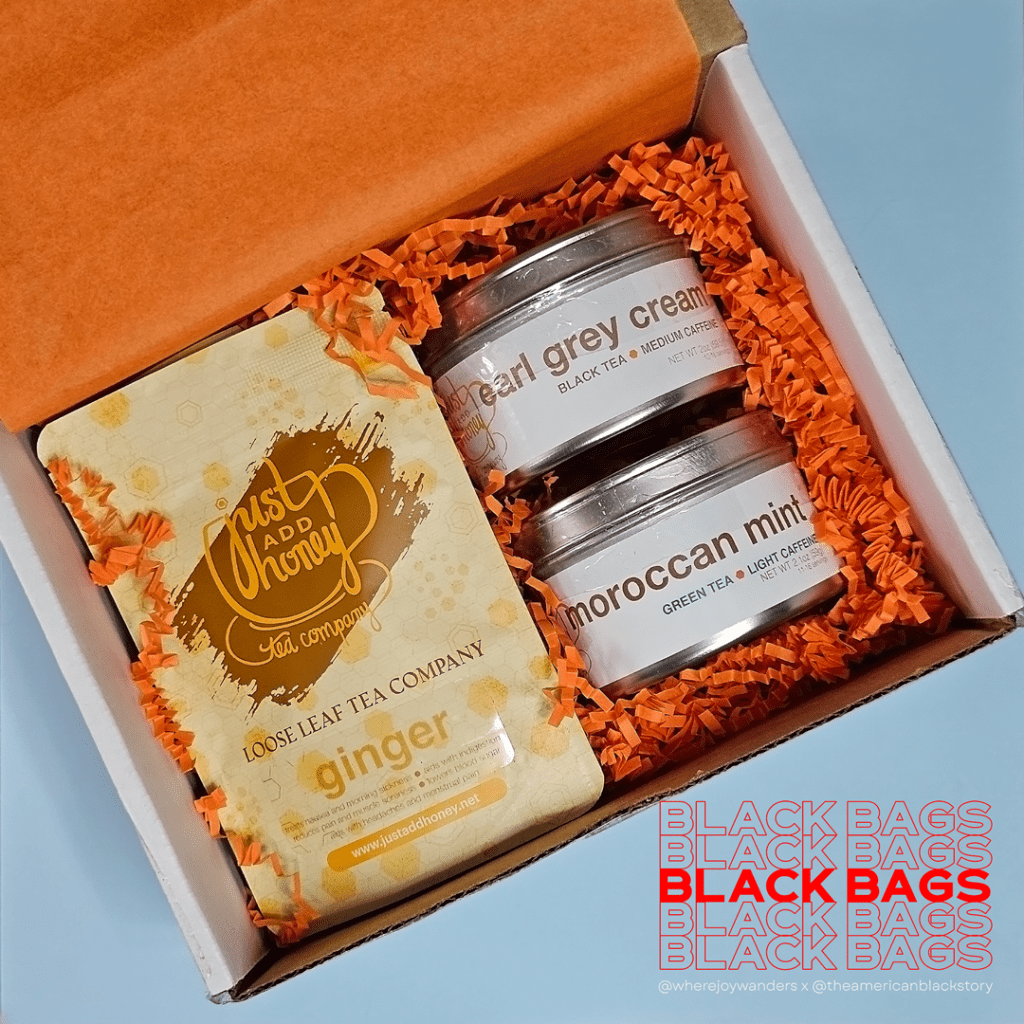
It fits in a teacup.
So, how is tea Black History when the only drink more common is water? (And maybe Coca-Cola?)
It’s community. Comfort. Contemplation.
It’s all the things enslaved Black people were forbidden.
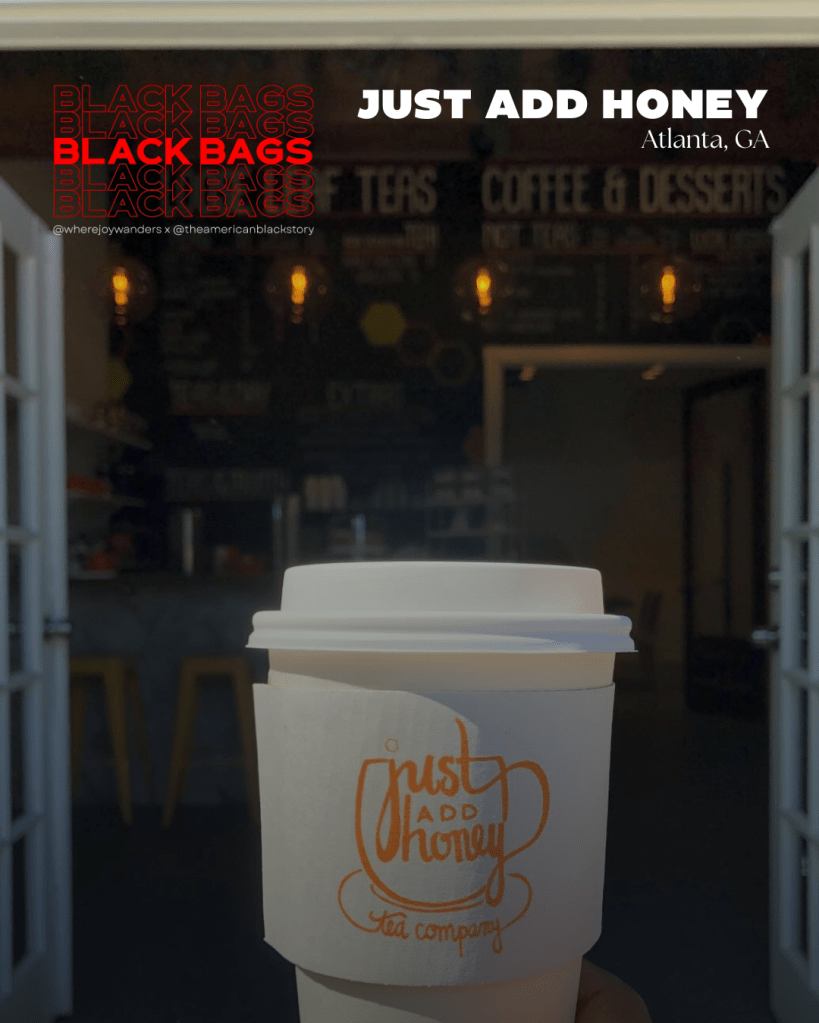
But today, the husband/wife duo at @justaddhoney are reclaiming all of that.
Their tea room, steps from the Eastern Beltline, is only 7 years old, but there’s centuries of subversion behind it.
I didn’t know that when I stepped in or out with my very first cup and bag.
MOST people don’t because like so many Black traditions, this one grew in secret.
All that remains of it are stories handed down by a few surviving families, a handful of objects, and the businesses born from its legacy.
Every February 15th, after the enslavers’ lavish Valentine’s events, Black Americans held their own tea parties.
But they weren’t allowed to gather en masse so invitations took clever shape.
While the ladies prepared to host, the men visited neighboring houses to “borrow a tea cup.”
One-by-one, guests arrived with their plantation china hand-me-downs for a simple pleasure nearly everyone else in the world freely enjoyed.
But even “freedom” didn’t mean moving freely.
Between southern slave patrols and Jim Crow laws, there was no safer place to meet, whether with white abolitionists or each other, than over an intimate cup of civilization.
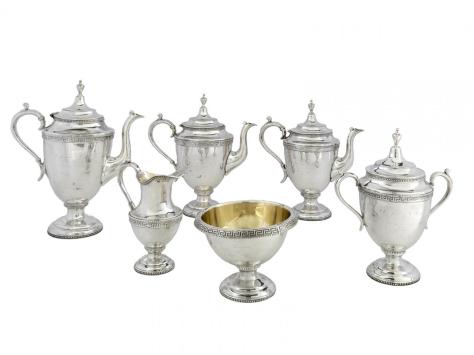
A six-piece tea & coffee service set owned by Edwin Frederick Howard and Joanna Louise Turpin Howard, prominent members of the free African American community of Boston, who used it to serve abolitionists Frederick Douglass & Wendell Phillips. Courtesy of NMAAHC Smithsonian.
And when the Black church became a pillar for the Civil Rights Movement, it wasn’t the only service turned strategy.
Segregated tea rooms transformed a practice once secret by necessity into a public revenue stream for Black women, America’s first working experts in the household arts.
Tea’s significantly shaped every corner of the world we live in.
But after today, I’m certain your next cup hits just a little differently, especially filled by people whose ancestors always tasted its power.
Black History’s served in all sorts of varieties at justaddhoney.net. 🖤
Look closely in my “Black Bags” posts and you’ll find the occasional Easter egg.
This might be my favorite of them.
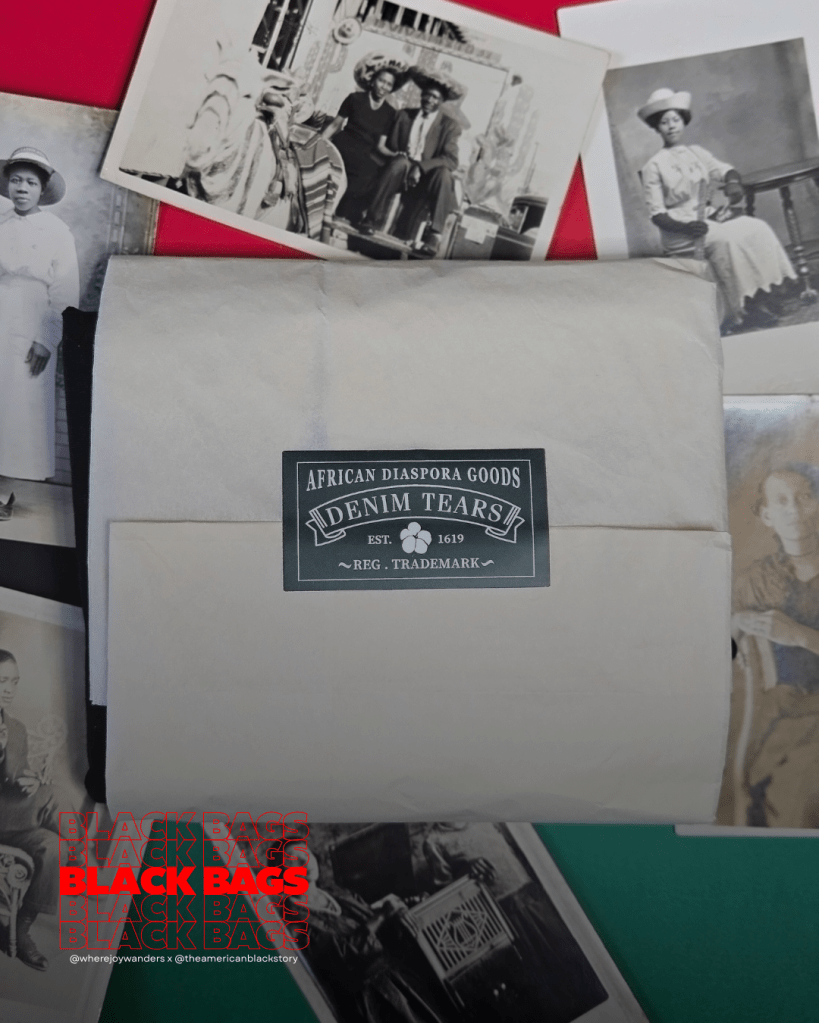
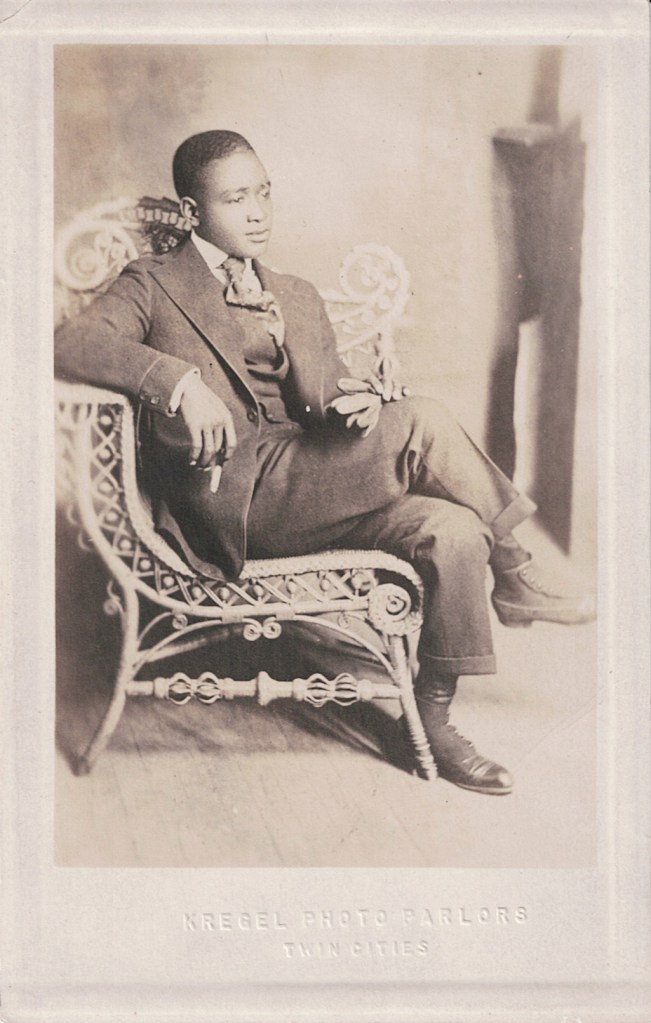
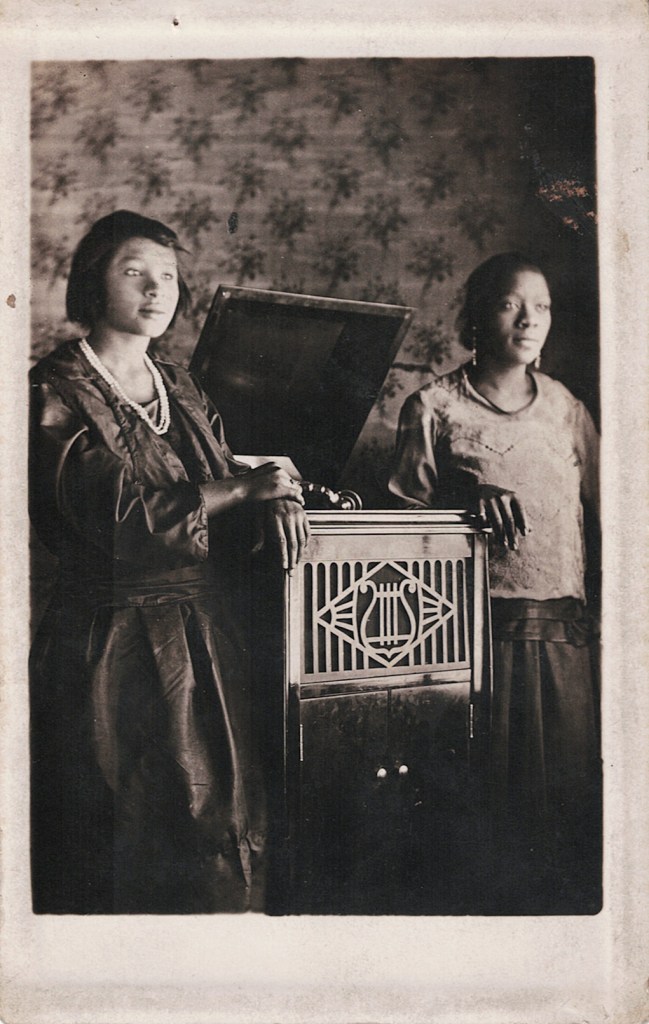
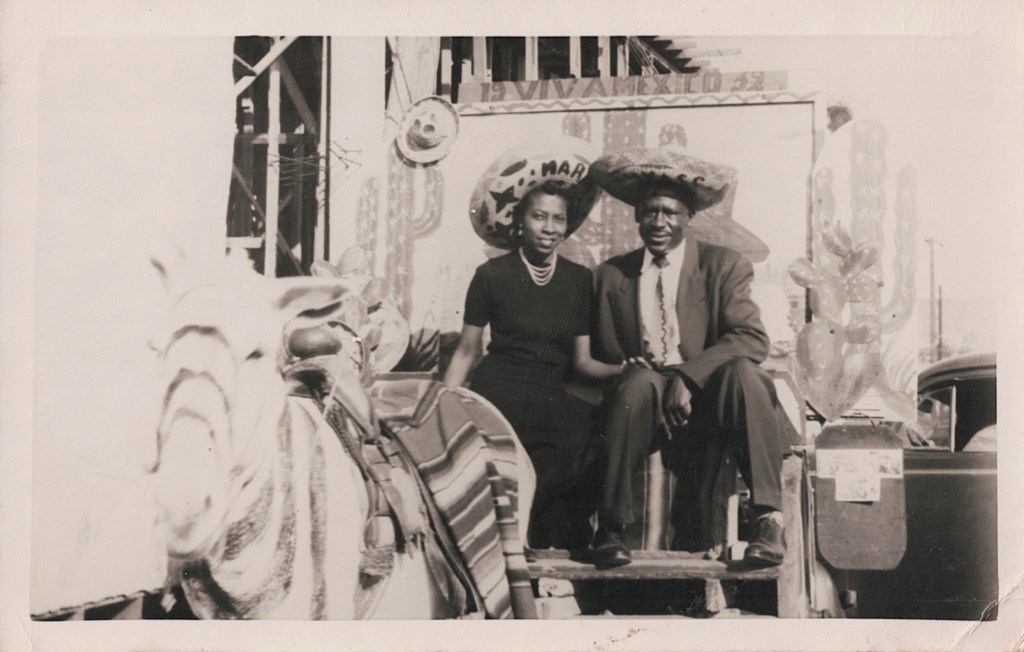
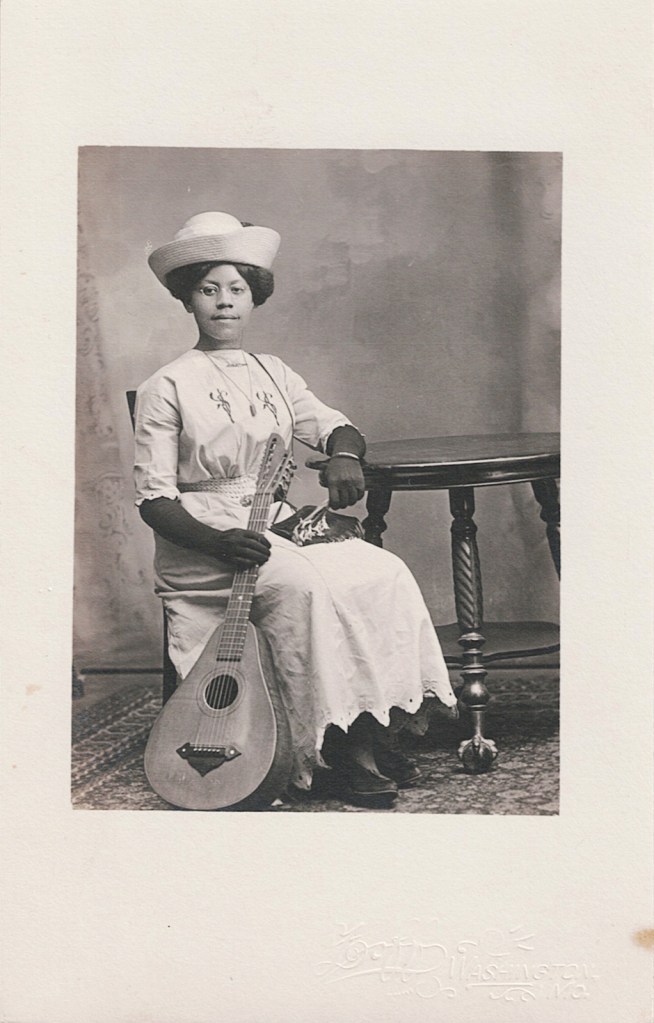
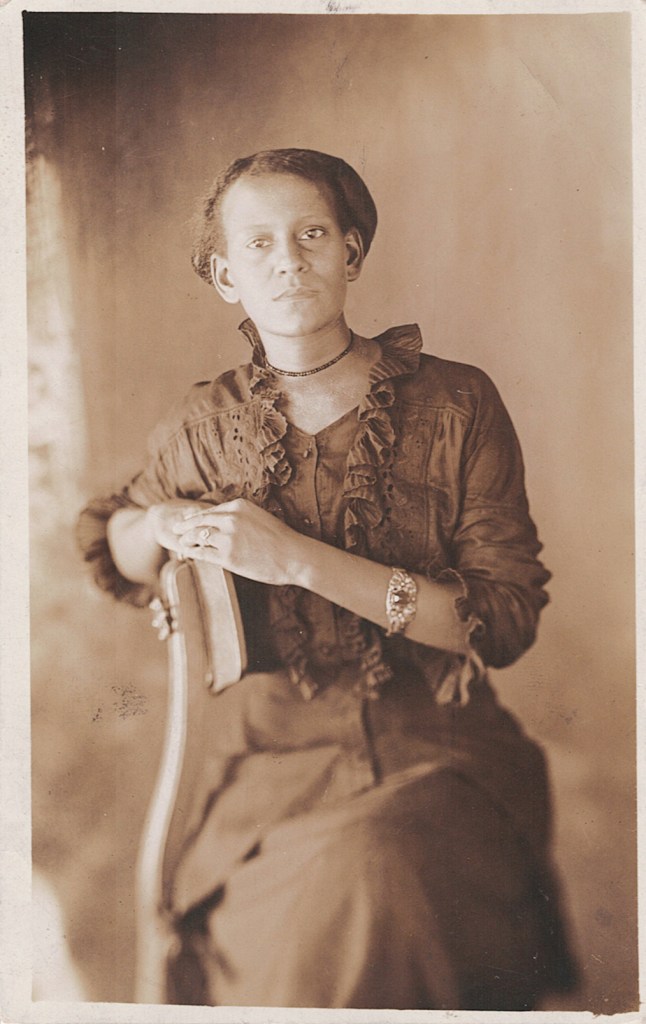
In my last post, peeking from behind my neatly wrapped @denimtears parcel, very real postcard photographs—some even embossed with the studio’s logo—have stories of their own.
These are the faces of the Met Museum’s Superfine exhibit and Denim Tears, hidden behind the veil of American History.
An immaculate gentleman, fitted even to the buttons on his heeled shoes.
Sisters in satin and lace, gazing from a beautiful Victrola.
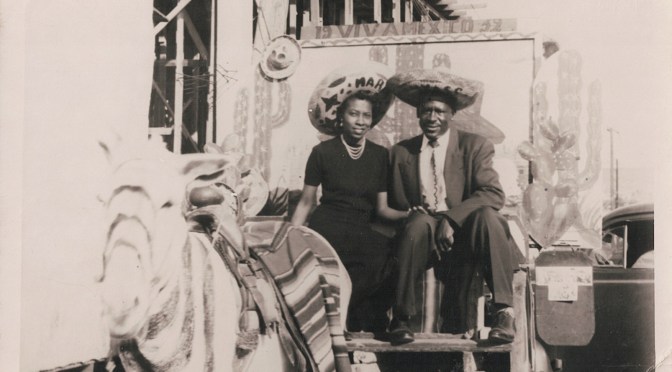
Lovers—maybe even honeymooners?—riding a donkey cart in Mexico.
A bespectacled musician accessorized with elbow-length gloves, perhaps to hide the wear to her hands?
A woman dressed all in black, whose ruffled lace waistcoat is only outdone by the exquisite jeweled bracelet and ring on her hands.
Photographs of Black people from days past already seem rare.
Photographs of them dressed in and surrounded by such luxury feel priceless.
But these five only scratch the surface of my collection.
And Superfine, hosted in the Met Museum’s premier gallery, only housed a fraction of the finery owned, made and inspired by Black Americans.
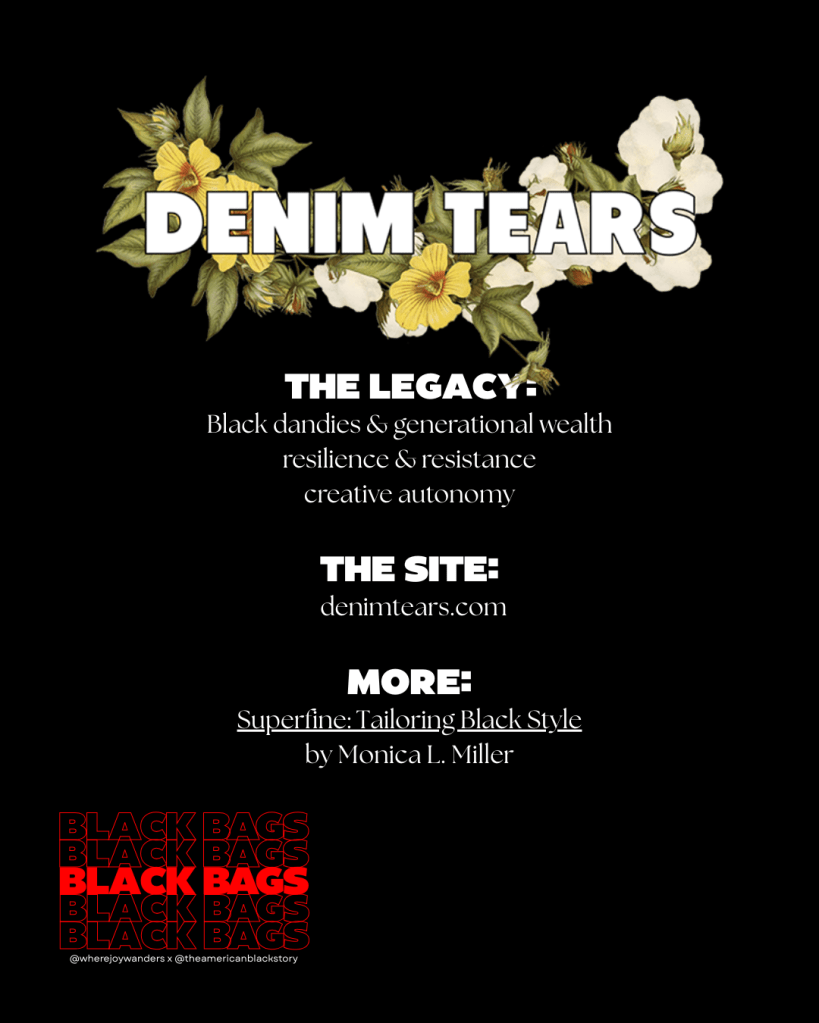
Denim Tears is their legacy.
And all three—the photographs, the exhibit, and the brand—bear witness that creative, adventurous, romantic, bespoke, affluent, and deserving have never been synonymous with “white.”
KEEP GOING BLACK IN HISTORY:
Get your African Diaspora Goods at denimtears.com
For more photos like these, follow curator at the @schomburgcenter and author, Kimberly Annece Henderson at @emalineandthem.
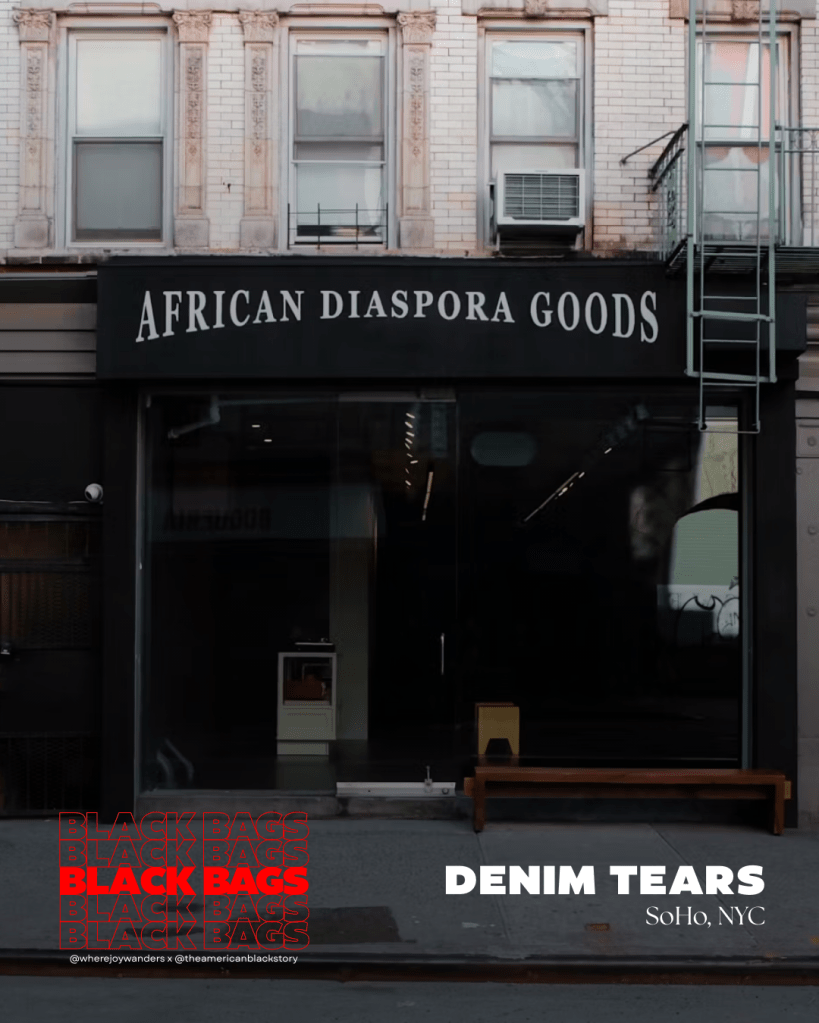
Just around the corner from the likes of Chloë and Alexander Wang, a simple, black sign stands in sharp contrast to its Spring Street neighbors, holding space for an unexpected commodity:
“AFRICAN DIASPORA GOODS.”
There wasn’t a matching sign outside of Gallery 999 at the Met Museum, but my involuntary double-take was surely the same.
Especially after I’d barely escaped the museum gift shop with my life.
Spanning multiple tables outside of the Superfine: Tailoring Black Style exhibit, @denimtears wouldn’t even let me come up for air.
Union Jack and American flag sweaters redesigned in Pan-African green, red, and black.
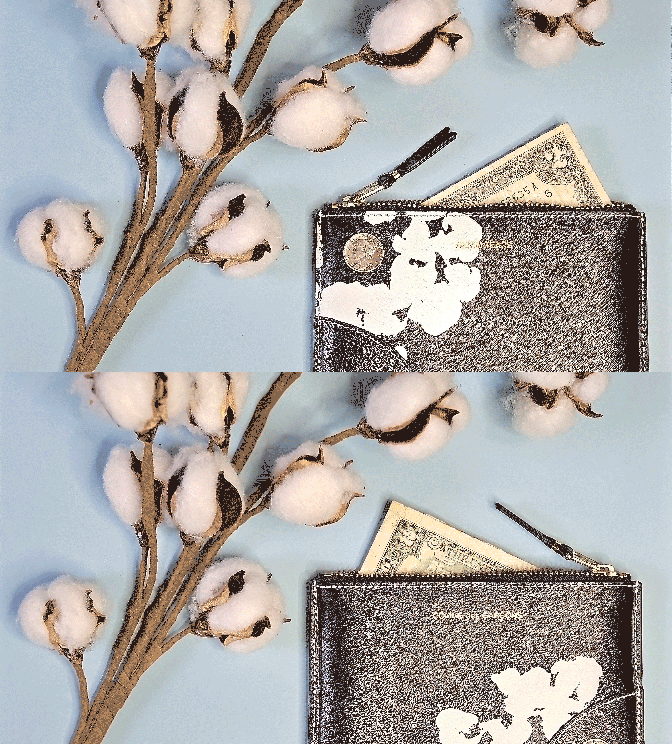
Plush, leather watermelon wallets in collaboration with Commęs des Garçon and logo baseball hats reminiscent of 1990s Ralph Lauren.
A single t-shirt featuring Andre Leon Talley, Jean-Michel Basquiat, and Andre Walker, makeup-smudged at the collar, hung deep on a rack.
I snatched it like the last loaf of bread before the apocalypse.
And despite being almost that poor… NEXT STOP: 176 Spring Street.
Between the Met Museum merch table and a Denim Tears ensemble featured in the Superfine exhibit (which remains in the Met’s permanent collection), the thread was clear.
Bespoke, imaginative clothing in luxurious fabrics, designed for Black bodies but accessible to anybody with swag (and the money to pay for it).
But on Spring Street, brand new themes like a Black Poseidon threatening a schooner daring to sail the Middle Passage, or cheeky Cotton Club dancers, come to life on shirts.
The brand’s signature cotton wreath design adorned sweats in every color, a symbol of cotton’s significance to the fashion industry, and a tribute to the enslaved people who made that possible.
Even the Denim Tears name honors the trials and tribulations Black people have overcome while still serving as the standard in fashion and culture.
If money and carry-on capacity were no object, I’d have taken one of everything.
Before I even walked into Denim Tears, I was a fan.
Since I walked out, that’s MS. Princess of Black Power, you ragamuffins.
For the past couple of Februaries and Junes here at The American Blackstory and over at SOUND IN COLOR (respectively), the schedule’s been a little unusual.
Sometimes the story I’m telling on both sites is interrupted by the one I’m living.
I used to feel terrible that somehow, someway, some major side quest always derailed my plans on these two sites.
But I’ve slowly come to the realization that at least for the moment, the story I’m being called to write is my own.
My third site (omg ikr) is currently undergoing updates, but in the meantime, you’re invited to follow where the universe takes me, read the lovely words, and heart the pretty pictures at @wherejoywanders on Instagram.
Stonewall had a formidable security team, and her name was Stormé.
And though Marsha P. Johnson, another famous face at Stonewall, may not have participated as once believed, everybody agrees that Stormé DeLarverie was not only there on June 27, 1969—she got her lick in.
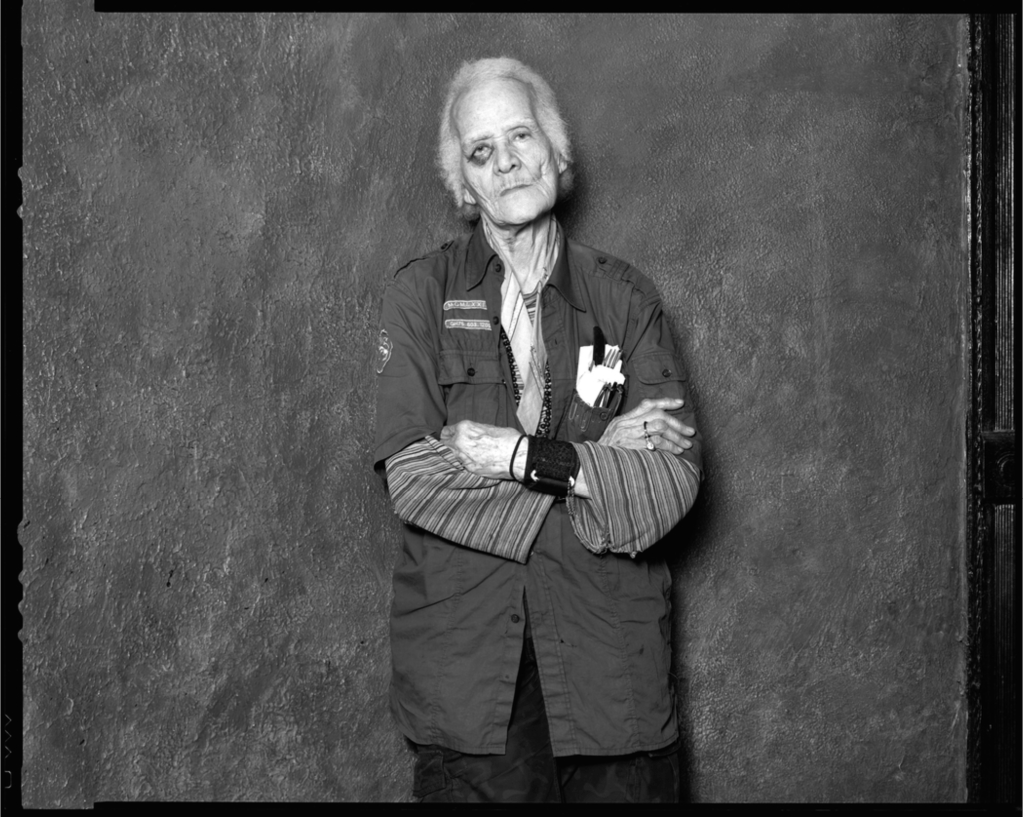
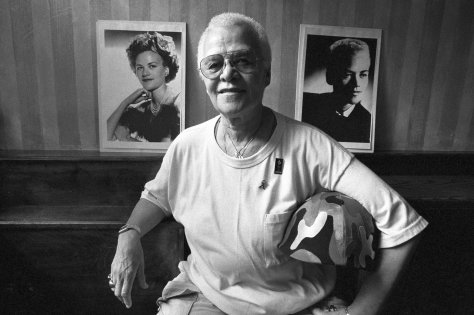
“Storme DeLarverie – January 27, 2010 12:45am,” by Tony Notarberardino. Stormé would have been approximately 90 years old here in a portrait taken at NYC’s Chelsea Hotel. Read the backstory here.
“She literally walked the streets of downtown Manhattan like a gay superhero,” her friend Lisa Cannistraci told the New York Times.
Well-known for her neighborhood patrols—and her gun permit—Stormé didn’t tolerate “ugliness” in her community. But that’s exactly what met her when she rushed to the chaotic raid at the Stonewall Inn.
“Move along, f****t,” NYPD spat at her.
New York penal code prohibited cross-dressing, but police had to know someone was cross-dressing to enforce it. Stormé had been a chameleon all her life.
That night, she lived up to her name.
Stormé defied police orders, insisting on standing watch over their treatment of her “children” at Stonewall.
Her resistance was met with a club to the face.
In return, the man attached to that club officially met Stormé.
“I walked away with an eye bleeding, but he was laying on the ground, out,” she recounted to PBS.
The New York Times features an interesting article comparing Stonewall from the perspectives of two of its major players, Stormé and Deputy Inspector Seymour Pine.
NYPD couldn’t have known it, but never backing down was Stormé’s specialty.
Born in 1920 as Viva May Thomas, the clear offspring of a Black mother and white father in a time when interracial relationships were still illegal, Stormé had grown up a pariah. She was once so badly bullied, she was left hanging from a fence by her leg, an injury she carried her entire life. The trauma stuck with her too. Even as a queer elder, Stormé wouldn’t repeat the names she’d been called as a child.
“Somebody was always chasing me – until I stopped running,” she said in one documentary.
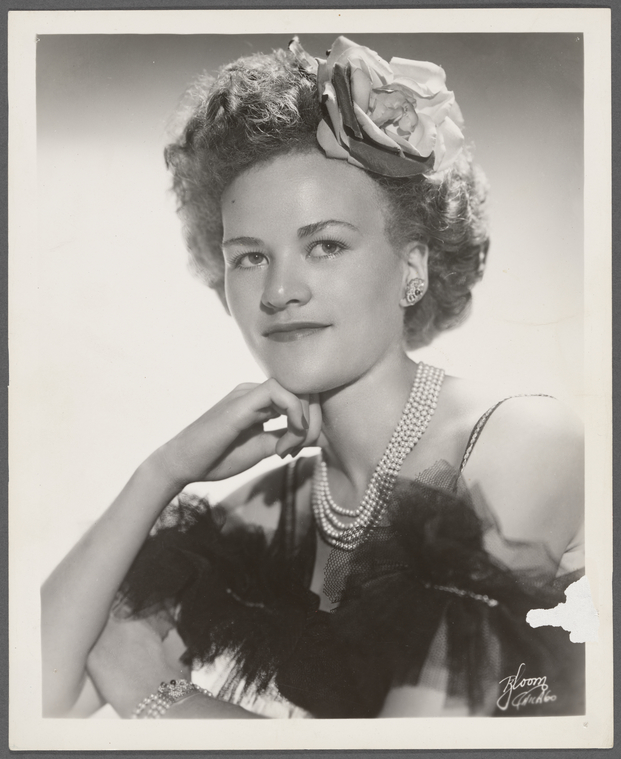
Viva May as a fresh-faced 30 year old, courtesy of NYPL.
Finally done running, Stormé started shining.
From a prolific local singing career to a side-saddle horse act with the Ringling Brothers Circus, Stormé confidently found her place center-stage.
But somewhere along the line—public documentation of Stormé’s life starts to get intermittent as her name changed several times throughout the years—she also discovered that she wanted to shine a little differently.
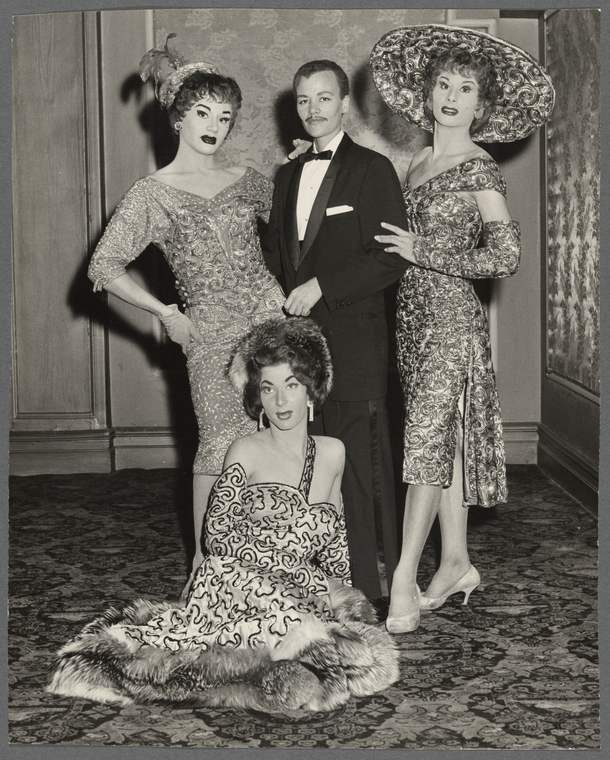
In 1955, Stormé remerged as the only female-born performer at the Jewel Box Revue, a drag burlesque and variety show. At the same time, she unveiled a whole new face.
Stormé remembers that “somebody told me that I would completely ruin my reputation, and…didn’t I have enough problems being Black? I said, I didn’t have any problem with it. Everybody else did.”
Stormé slowly perfected that face until as far as casual observers, paying customers, and consequently, police officers, were concerned, at least on her performance nights, they were looking at a man.
She worked as a bodyguard, volunteer street patrol, and bouncer for several gay clubs still operating in New York like The Cubby Hole and Henrietta Hudson, but hated those titles.
Stormé packing heat in front of the Cubby Hole in 1986.
“I consider myself a well-paid babysitter of my people, all the boys and girls,” a friend recalled her saying.
When AIDS ravaged New York’s gay communities in the 80’s, that same friend asked Stormé for a $5 donation to buy Christmas gifts for those affected.
“Several hours later Stormé walked back into the restaurant with over $2,000,” and subsequently made it her annual tradition, he wrote.
In 1999, Services & Advocacy for LGBTQ+ Elders awarded Stormé their Lifetime achievement award for “crashing the gates of segregation and for the gender-bending example she showed the world,” noting that “she lives her life quietly and does much of what she does very quietly, sometimes anonymously… because what matters to her is that she does what she does, not that it makes a big splash.”
Unfortunately, that quiet life did not serve Stormé well. As she aged and her financial, living, and mental conditions all deteriorated, friends and admirers found themselves rallying others to her aid. Describing her as “someone who gave willingly of herself so that others might live meaningful, fulfilling lives free of discrimination and harassment,” their attempts at supporting an aging Stormé ultimately fell to a non-profit organization.
“I feel like the gay community could have really rallied, but they didn’t,” her friend Lisa told a Times reporter who found Stormé’s absence from NY’s 2010 Pride parade so unusual, he made it his headline.
Four years later, at the ripe old age of 93 (miraculous for anyone, but especially among queer elders), Stormé passed away quietly and alone.
But not forgotten.
When the National LGBTQ Wall of Honor was unveiled inside the Stonewall Inn, 50 names adorned the plaque in honor of the Rebellion’s 50th anniversary.
Listen in on PBS In the Life’s profile and interview with Stormé.
Hear more from Stormé including her singing, perhaps for the very last time, at 2:30.
There’s no more complete history of Stormé’s entire life than the one created by Chris Starfire here.
The Stonewall Veterans’ Association has an extensive entry on Stormé’s activism here.
The Code Switch podcast tackles Stormé’s story through an intersectional lens of queer pride, police brutality and racism, all topics prevalent throughout her life and still relevant today. Listen in here.
Read Stormé’s obituary published in the New York Times on May 30, 2014.
Yes, reports do vary as to whether that nickname came from the heavy buffalo fur coats these Black regiments wore on the American frontier, or from their hair texture that seemed nearly identical to the buffalo’s.
It’s the “soldier” that reasonably implies that all these men did was fight.
From their establishment in 1866 to the last regiment’s formal service disbanding in 1951, their military contributions are too tremendous to count.
But their peaceful contributions here at home are absolutely stunning.
In fact, if you’ve ever been to ANY major national park west of the Mississippi, chances are you’ve walked directly in their footsteps and don’t even know it.
Yosemite, Yellowstone, Hawai’i Volcanoes, Klondike, and Sequoia & Kings Canyon National Parks simply would not exist without the Buffalo Soldiers’ relentless work.
And that’s still just a fraction of the trails they blazed across the United States.
Between 1866 and 1891 alone, the Buffalo Soldiers are documented at 250 sites across twelve different states.
One of the furthest is Hawaii, and its “highly challenging” 36-mile Mauna Loa Trail. 30 of those miles leading to the 13,681-foot summit were painstakingly carved out of solid lava by the Buffalo Soldiers with 12-pound hammers as their only tools.
Mauna Loa Trail in 1931Buffalo Soldiers assist lava surveysHistorical photos of the Buffalo Soldiers’ work in Hawai’i, courtesy of the National Park Service
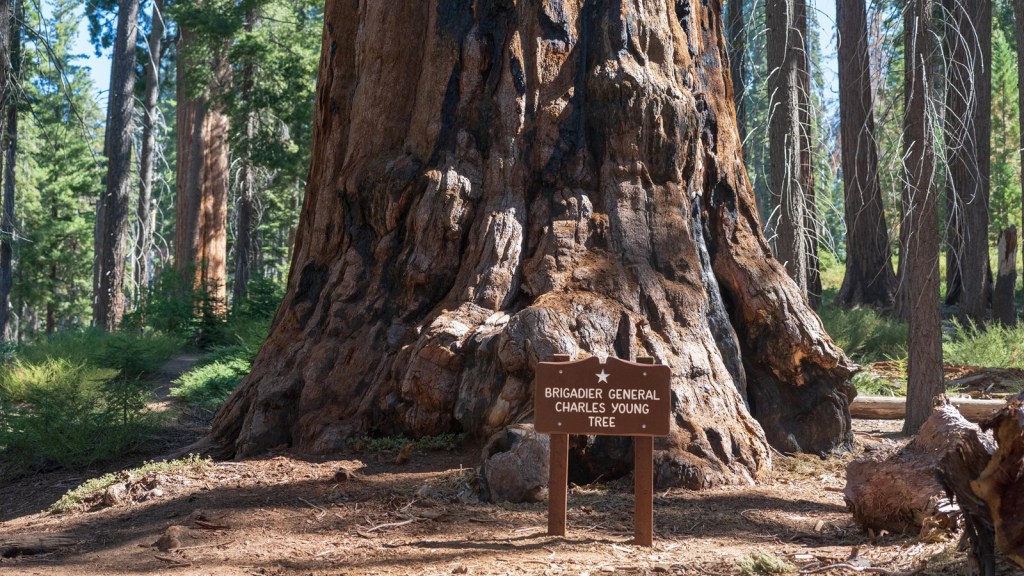
Further north in California, Brigadier General Charles Young—who later became the first Black U.S. national park superintendent and the highest ranking Black Army officer until he died in 1922—led his company in clearing a road into Sequoia & Kings Canyon National Park, allowing public citizens access to the giant trees for the first time ever.
When leadership suggested naming a sequoia for then-Colonel Young, he refused, humbly requesting the tree be named for Booker T. Washington instead. If sentiments were the same in 20 years, he said, only then might he accept the honor. Spoiler alert…
But that wasn’t the only big work the Buffalo Soldiers took on in California. If you’ve ever taken the trail up nearby Mt. Whitney, the highest peak in the lower 48, you got it. Buffalo Soldiers.
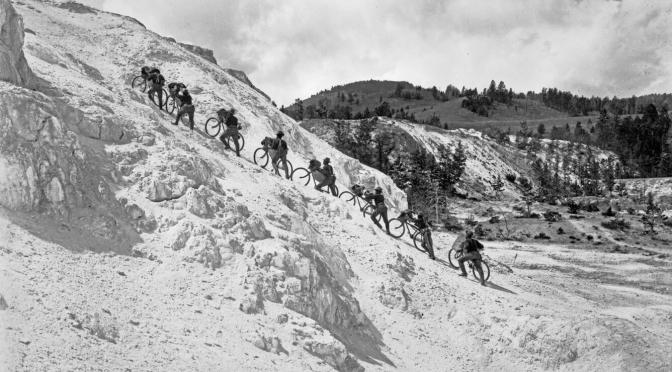
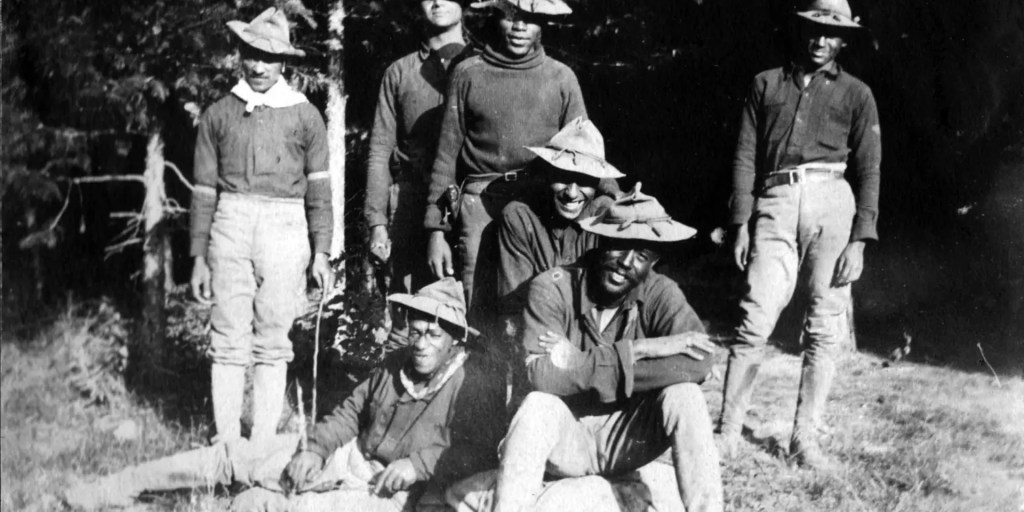
Lt. James A Moss’s 25th Infantry, U. S. Army Bicycle Corps, atop Minerva Terrace at Mammoth Hot Springs in Yellowstone National Park. [August 1896 per Moss’s diary]
Among the first people to survey and create trails through the land that would become Yellowstone National Park, the nine men of the 25th Infantry bicycled from Missoula, MT to Yellowstone, crossing the Continental Divide twice over a 800-mile round trip. Since Yellowstone was still a largely uncharted place, there were no permanent accommodations. By necessity, these men carried over 100 pounds of gear, munitions and provisions, all on their bikes.
Compared to those assignments, Yosemite’s pristine landscape was a “cavalryman’s paradise” actively sought out by soldiers from all corners of the States. And yet, to this day, Yosemite specifically names the Buffalo Soldiers as the “stars of its story” and “safeguards of its mountain cathedrals.”
Buffalo Soldiers atop Yosemite’s Fallen Monarch in the Mariposa Forest. (NPS)
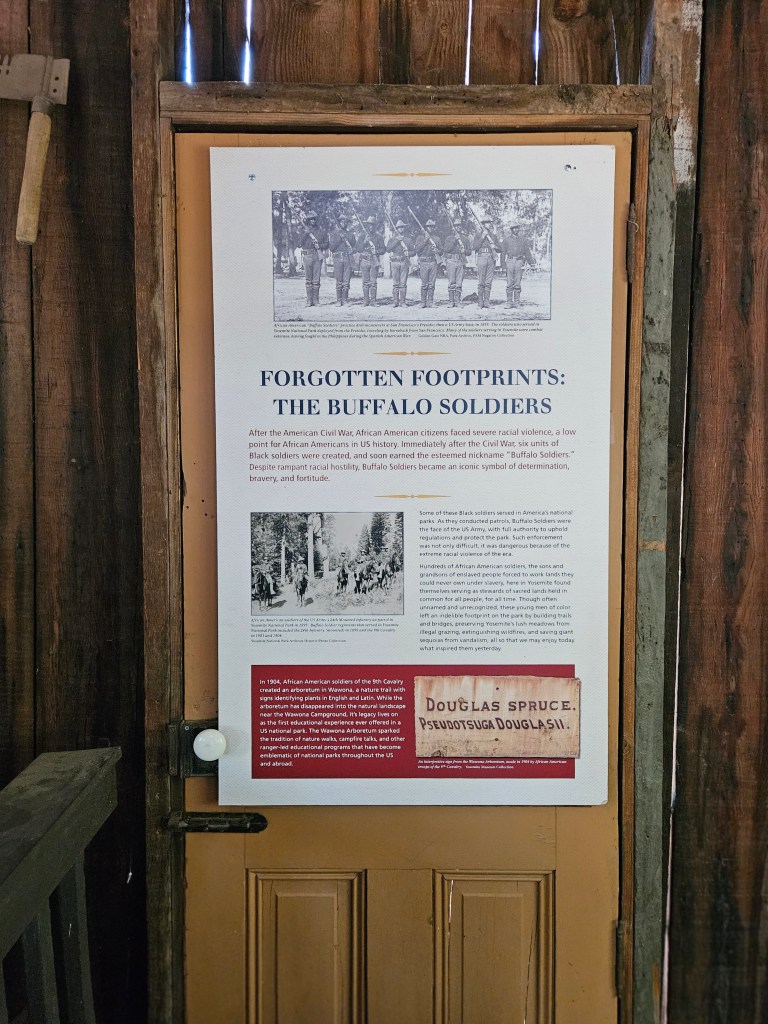
A Buffalo Soldier’s hat hangs in the Yosemite Office of the Acting Superintendent. A poster in the same office details the Buffalo Soldiers’ contributions to the park. (Click the poster image and open in a new tab to read in full.)
All of these trailblazing acts of service by the Buffalo Soldiers were before the National Park System was created. So more than just pioneers and explorers, the U.S. Army served as the country’s original Park Rangers.
In Yosemite, that service was especially vital as the park was especially vulnerable to all sorts of dangers like poachers, wildfires and overgrazing. The Buffalo Soldiers regularly patrolled against those dangers and were fully prepared to oppose them if necessary. When they weren’t protecting Yosemite’s borders, they built the Wawona Arboretum in 1903, and in the process, launched the U.S. National Parks’ first educational program, a cornerstone of the system today.
The 24th Infantry Buffalo Soldiers patrol Yosemite armed and on horseback in 1899. (NPS)
Now, if you’re paying attention, you might notice a theme. The Buffalo Soldiers were frequently sent to the most remote and rugged parts of the U.S. territories to forge new lands and protect them through military force if necessary. Aside from poachers, fires and livestock, the Army was almost certain to confront Indigenous People.
And Army leadership knew they had a secret advantage in the Buffalo Soldiers, because they’d learned it from some of the first U.S. pioneers, Meriwether Lewis & William Clark.
When native tribes encountered Lewis and Clark, it was frequently their curiosity or admiration of York, the expedition’s enslaved man, that gave those tribes any incentive to speak to white men at all.
It’d be naive to believe this didn’t influence the Buffalo Soldiers’ peacekeeping AND wartime assignments, where they were deployed against native Americans, the Spanish, Filipinos, and Mexicans among many others. Whether it was that they were expendable against other brown people, or that they unknowingly served as a shock tactic against them, the Buffalo Soldiers valiantly fought on behalf of the United States anyway.
The Army enlisted fighters, but look closer and you’ll find the Buffalo Soldiers’ true legacy still growing along the most peaceful streams, under purple mountains, and so many more places that make America beautiful.
KEEP GOING BLACK IN HISTORY:
Watch Yosemite Ranger Shelton Johnson discuss preserving the traditions of the Buffalo Soldiers in National Parks today.
Listen in on Ranger Johnson’s historically based podcast “A Buffalo Soldier Speaks” here.
The Smithsonian National Museum of African American History & Culture maintains an extensive Buffalo Soldiers collection here.

















 THE AMERICAN BLACKSTORY