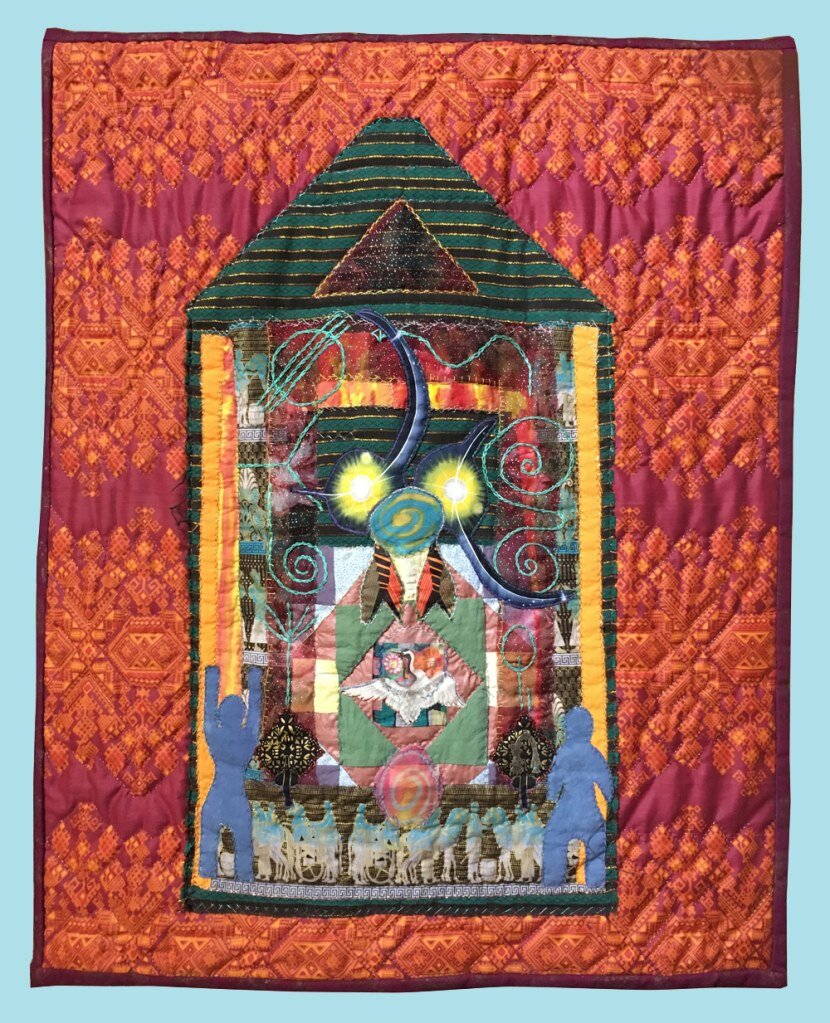
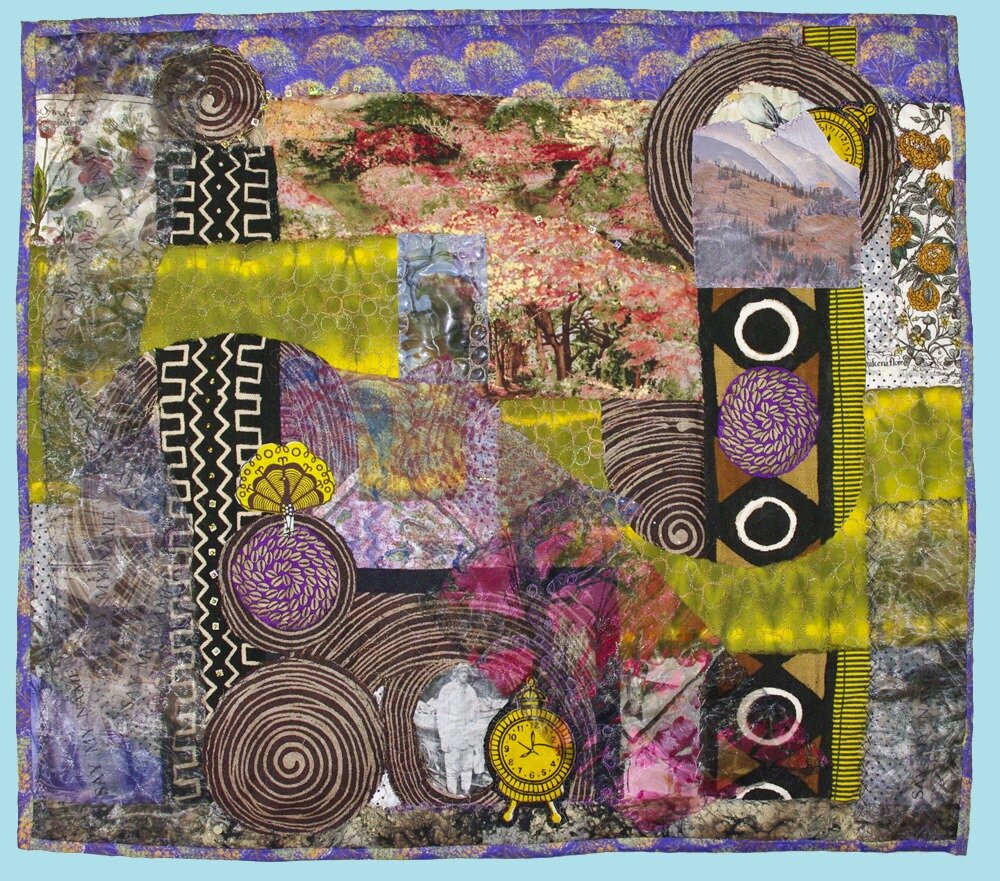
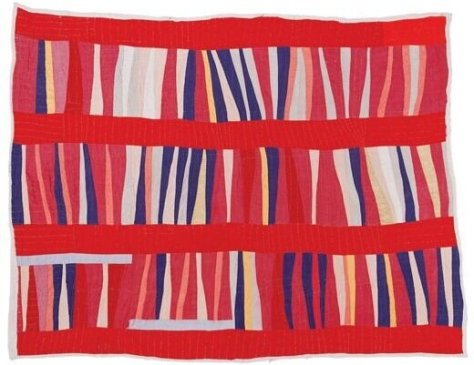
Tag Archives: PRESENT

DAY 4 — Kimberly & Jehvan Crompton

To an outsider, Kimberly and Jehvan Crompton seem like your run-of-the-mill mother and son. Jehvan is 15, introverted and loves science, English and video games. His mom describes herself as a “mommypreneur steady grinding.” Jehvan lives with his mom, sister and brother, and stays up too late. The Cromptons’ lives look pretty ordinary.
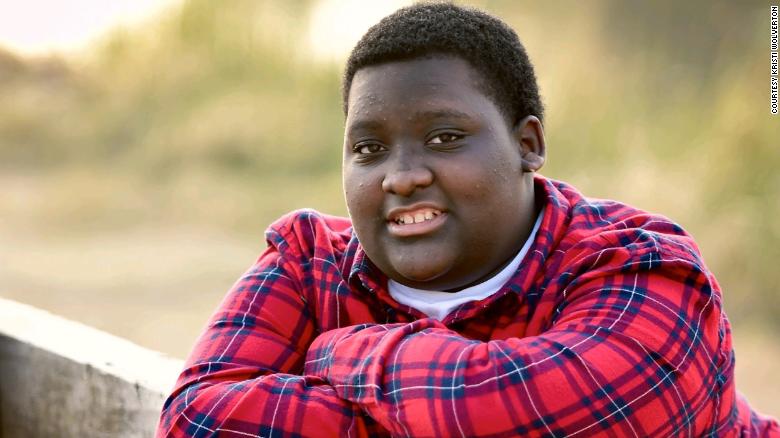
Just a handsome teenager.

And until late 2019, they would have thought so too.

But that was the year that routine blood work Jehvan had done ahead of a foot surgery revealed news no mother with a symptom-free child is prepared for: his results showed Chronic Myeloid Leukemia (CML).

CML is a cancer that starts in blood-forming cells of the bone marrow. It almost always occurs in adults, but Jehvan was that 1 in millions. And even worse, no one in his family was a full match.

As rare as childhood CML is, turns out Jehvan’s story isn’t very out of the ordinary at all.

“Right now, the make-up of the registry, it’s just overwhelmingly white,” according to reps at Be the Match, the national marrow registry. While 77% of all white patients find a match within its records, only 23% of Black patients ever do. (Notice that number adds up to 100%, so donor rates from other racial segments–along with the likelihood of donees finding a match–is infinitesimal.)

Aside from the many structural and social obstacles preventing Black patients from finding a match, there’s a genetic variable too. “Overall, blood cancers tend to be less common among African-American populations, but distinctly, multiple myeloma is the one blood cancer that’s seen at two times as high a rate in African Americans compared to other ethnicities,” Dr. Adrienne Phillips, medical oncologist at Weill Cornell Medicine says. Other blood diseases like sickle-cell also disproportionately affect Black and Hispanic patients, too often resulting in preventable deaths simply because these patients don’t have the same visibility and their cancers don’t have the same awareness or organizational support as the other 77%.

So instead of waiting for the odds to fall in Jehvan’s favor, Kimberly decided to put her own numbers up against CML. “I believe this was God’s plan. But I have to do my work,” she said.

Her goal was 200. If she could get just 200 more Black donors on the Be The Match registry, her son’s chances of matching one would increase dramatically.

As of January 2021, Kimberly’s campaign alone has brought 13,000 fully registered donors to Be The Match. That number has no doubtedly continued to skyrocket.

I know Kimberly’s numbers have kept going up because Jehvan’s targeted ad came up multiple times for me as I researched this post. I’ve linked it with his affiliate code, just as Be the Match did elsewhere.

Thousands, but still no match for the one patient who mattered most.

But Jehvan was already prepared for that outcome: “Even if I don’t get a match out of the 13,000 or more that come up, it’ll just be great to see that everyone else got a match,”

Her son’s optimism and selflessness only made the doctors’ next call that much harder to hear: Jehvan’s leukemia had become resistant to chemotherapy, the cancer cells were multiplying and a blood stem-cell transplant was his only hope.

“It’s like getting hit by a dump truck and then that dump truck hitting you again and going back over you again,” Kimberly said.

The news forced them to resort to a half-match, which was just as likely to lead to Jehvan’s death as it was to his cure. The closest half-match doctors could find turned out to be Jehvan’s adult half brother, with whom he “didn’t have much of a relationship before this happened,” Jehvan said. 

“This” is a successful transplant in March 2021, leaving Jehvan cancer-free.

He says his relationship with his brother is “getting better and better by the day,” especially now that he has so many more ahead.

And 13,000 more people of color on the bone marrow registry are getting that same opportunity now, all thanks to one “ordinary” little boy.

Kimberly, Jehvan and Patrick Crompton continuing to raise awareness about Chronic Myeloid Leukemia

“At first I didn’t think my story was so much different than anyone else’s, but apparently people think otherwise. So, I guess I’m very special,” Jehvan said.


KEEP GOING BLACK IN HISTORY:

Read more of Kimberly & Jehvan’s story and the science about how race affects blood cancers at SurvivorNet.
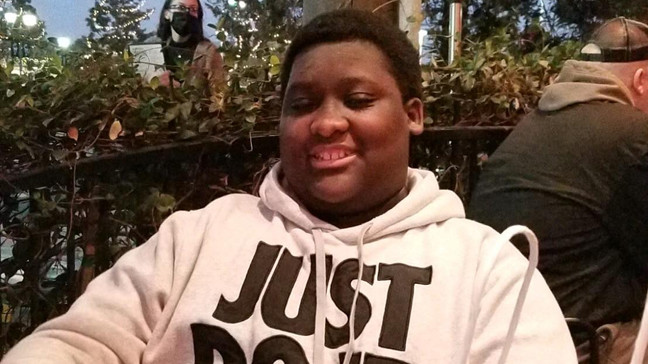
Bakersfield news station 23ABC followed Jehvan from half-match to cancer-free, and as its the most visible and vulnerable I’ve seen a Black family fighting cancer represented in the media in some time, I found both articles worthy of sharing.

And once more for good measure… please consider signing up. Click through to see how for patients like Jehvan, a cure can be as simple as a tiny blood draw.

DAY 3 — Myron Rolle

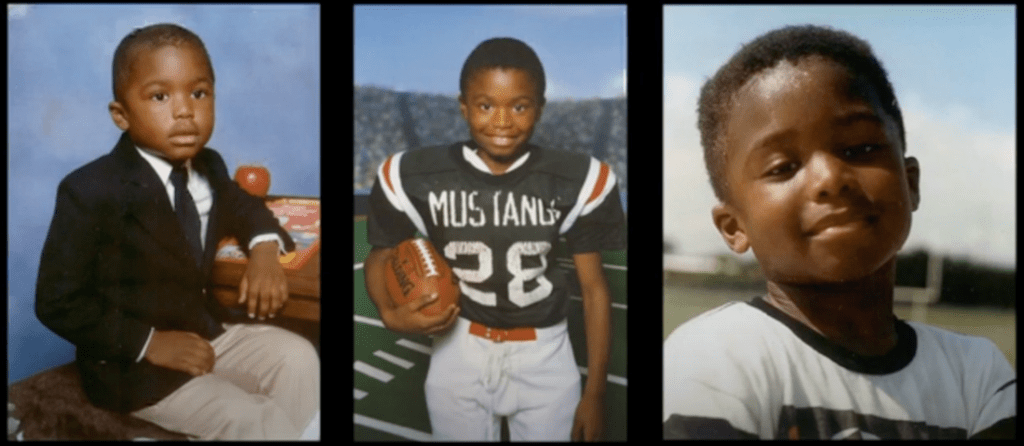
Myron Rolle has spent a lifetime suiting up.

The only thing that’s changed along the way is the suit.

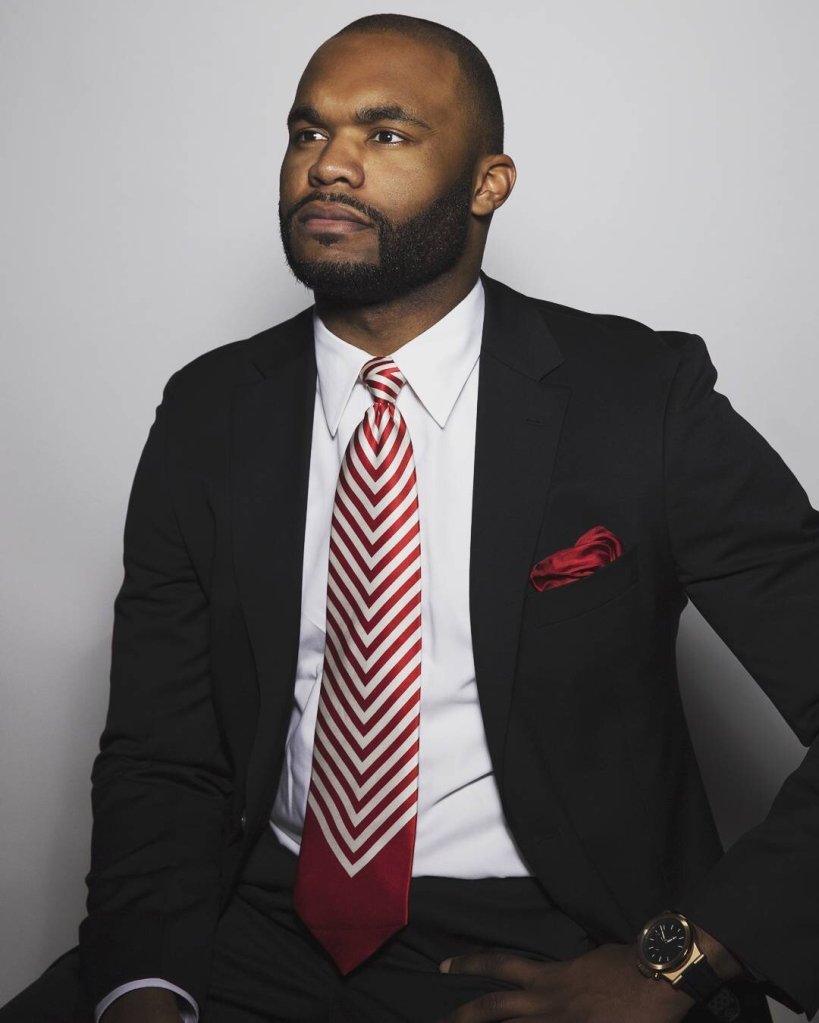
If you happen to recognize his face, it MIGHT be from the time when his suit looked something like this:

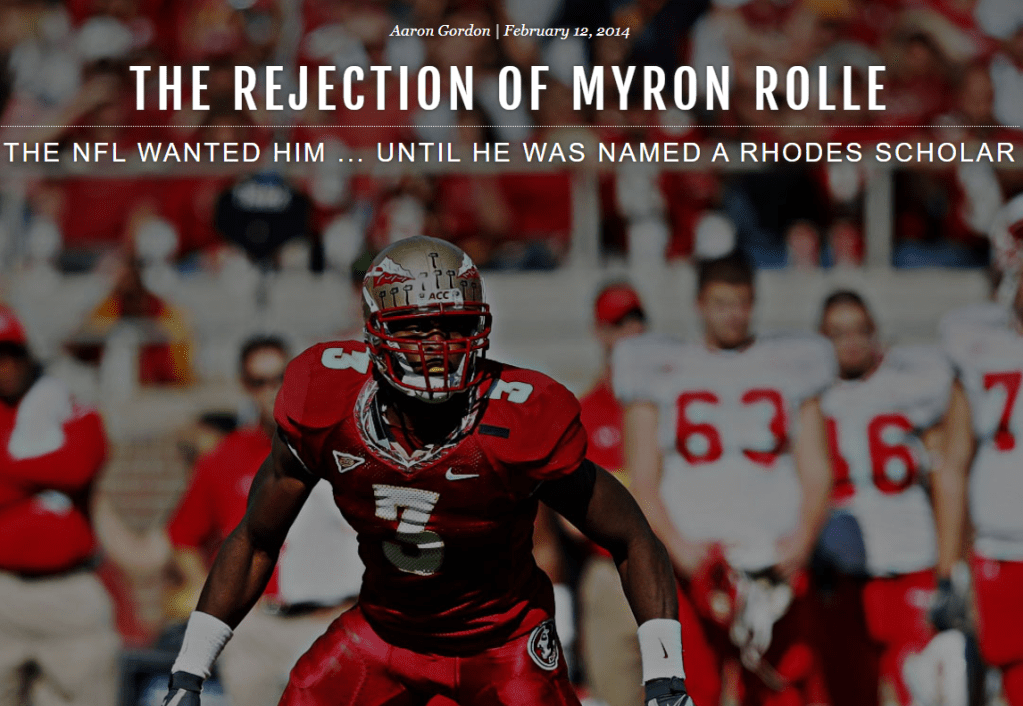
Myron Rolle signed with Florida State University as ESPN’s number one high school prospect in 2006. And his performance there was impressive in ways FSU’s coaches couldn’t have anticipated. In just two and a half years, Myron had earned his bachelor’s degree in Exercise Science with a 3.75 GPA, fulfilled all pre-med requirements, AND qualified as a first-round NFL Draft pick as a junior.

Before he could enter the draft, another suit came into play. And this one would demand sacrifice.

Myron Rolle at Oxford University

Myron also qualified for the Rhodes Scholarship, the oldest and most prestigious international graduate program in the world and his interview was scheduled at the same time as the Florida State vs. Maryland game. 

Faced with two paths that most people could only dream of, Myron chose the one that gave him options. Though he arrived from his interview just in time to defeat Maryland, Myron made the fateful decision to sit out of the Draft, pursuing his Masters in Medical Anthropology at Oxford.

Myron Rolle with the Tennessee Titans.

A year later, and back at FSU, Myron was drafted after all, going to the Tennessee Titans, then the Pittsburgh Steelers, but never fully realizing his football potential.

Facing a disappointing future on the gridiron, Myron suited up for a whole new team.

Today, DR. Myron Rolle is a neurosurgery resident, specializing in pediatrics.

Dr. Myron operates on a child with hydrocephalus in Ghana.

And his experience as a pro safety, playing defense against anything that comes at him, has proven priceless.

When the Neurosurgery floor at Massachusetts General in Boston shut down, Dr. Myron, like many other medical professionals, was asked to step up in other capacities to manage the pandemic’s load.

His experience has also made him one of the only people in the world qualified to speak on COVID’s impact to and handling by professional sports leagues, so you may also have seen his face on ESPN, NBC, CNN, and other broadcast networks seeking his one-of-a-kind expertise.

But Myron has even bigger dreams than neurosurgery, professional football and broadcast television. He’s putting all of his life’s work to use building better medicine as chairman of the Myron Rolle Foundation. Its initiatives include the Myron Rolle Wellness & Leadership Academy that teaches athletics, health & wellness, teamwork, character building, self-esteem and leadership to Florida foster kids; the Exuma Project, a state-of-the-art medical, wellness and training facility in the Bahamas where his parents are from; and the CARICOM Neurosurgical Initiative, designed to improve neurosurgical care within the Caribbean nations. 

All of this in pursuit of Myron’s “passion to deliver good quality health care to underserved people” and a calling that truly suits him.


KEEP GOING BLACK IN HISTORY:

Catch up on all the good work Myron is doing for the underserved in the world at the Myron Rolle Foundation‘s website.

Last Black History Month, Myron spoke with NBC Sports Boston about all the different suits he’s had to wear growing up as a Black man in the States with Bahamian parents.

SBNation thoroughly detailed how Myron’s football career could have gone much differently if his time away from football hadn’t dropped his rank in the NFL Draft.

Keep up with all the ways Dr. Myron’s suiting up these days on Instagram.

DAY 2 — Barbara Hillary

Now on the other side of the ceremony from where she’d once stood, Barbara Hillary captivated fresh New School graduates with 88 years worth of experience boiled down into a 10-minute commencement speech.

Among so many gems, one piece of advice stood out: “At every phase in your life, look at your options. Please, do not select boring ones.”

Oh, sure.

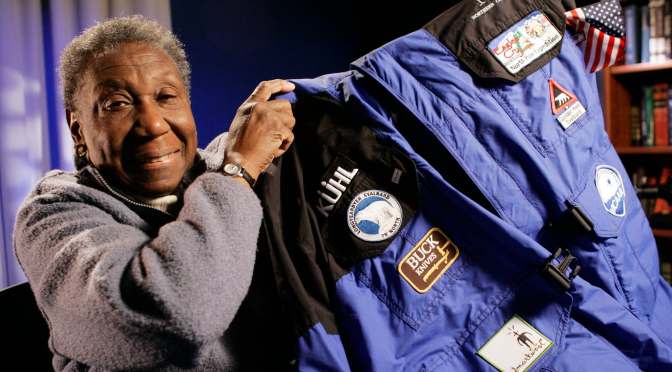
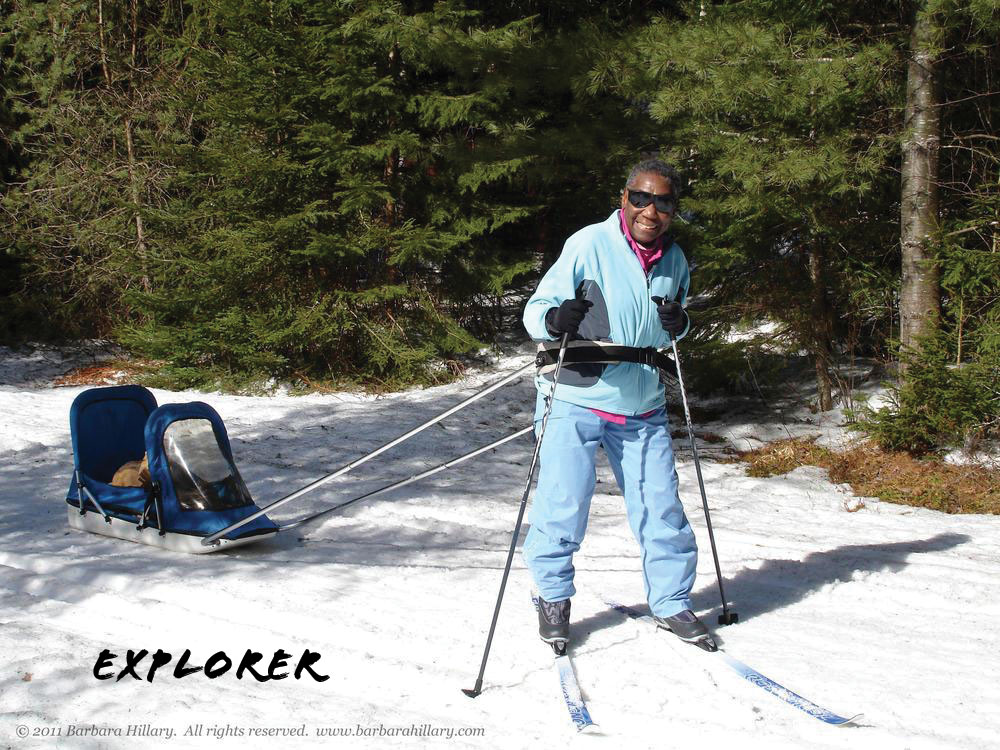
No problem, ONLY Black woman in the world known to set foot on both the North AND South Poles.

Before we proceed, a little perspective.

Matthew Henson, Black American explorer is photographed in tight frame, in a hooded fur parka, exposing only his mustached face.
Matthew Henson, photographed in 1910.

One of the first men ever recorded at the North Pole was free Black American Matthew Henson in 1909.

In 1986, the first woman accomplished the feat.

George W. Gibbs became the first African-American in the Antarctic as a member of Admiral James Byrd’s third expedition to the South Pole in 1939.

Nearly a century after Henson’s journey, Dwayne Fields was the first Black Briton to follow suit in 2010.

And that’s it. That’s the summation of Black diversity at the Poles. 

(Ed. Note: Here comes the part where you feel ashamed of yourself and your boring choices, so you’ve been warned.)

For Barbara Hillary to have done so at the age of 79, becoming the first Black woman to visit either pole AND both, as well as the first Black person to visit both, is nothing short of astonishing.

Even before her adventures, Barbara had already lived a life beyond most folks’ expectations.

“We were Depression-poor,” she said in her commencement address, “but there was no such thing as mental poverty in our home.”

That mindset had propelled her through a Master’s degree from the New School, a 55-year long career as a nurse, and not one, but two separate bouts with cancer, the last of which had left her with 25% reduced breathing capacity. 

But the last thing anyone expected was a trip to the North Pole.

And with good reason. One does not simply GO to a Pole. Barbara grew up in Harlem, where cross-country skiing, a necessity to cross the pole’s frozen terrain, was hardly second-nature. Her nurse’s salary, swallowed by medical costs, didn’t leave much for globe-trotting. And the physical toll dealt by polar regions is unlike any other in the world.

Barbara, in a red and black snow jacket and wide goggles, smiles with her hands raised above her head in celebration. She isn't wearing gloves.
That feeling when you forgot you were at the North Pole.

Barbara found out first-hand when she overcame all of those obstacles to arrive at the North Pole on April 23, 2007. She took her gloves off for just a minute to celebrate, left with frostbite as a souvenir, and the frigid travel bug too.

Less than 4 years later, on January 6, 2011, Barbara landed on the South Pole, where she skipped the frostbite, celebrating with chocolate instead. It’s not that chocolate has any secret warming properties, but when you’re a 79 year old Black lady at the South Pole, nothing’s taken for granted. Barbara explains, “If I had frozen to death down there, wouldn’t it be sad if I’d gone to hell without getting what I want?”

A figure clad in a blue snow jacket with yellow layers underneath and a face shield on, stands in front of a sign that reads "Geographic South Pole."
Lessons were learned.

Thankfully, Barbara didn’t freeze to death down there, else this would be a terrible story.

But her journeys to far-flung places soon revealed one. Inspired to continue adventuring beyond the Poles, Barbara discovered climate change closing chapter after chapter on small, indigenous communities as old as the world itself, forcing them into poverty, starvation, relocation, or dissolution altogether.

For the next 11 years, she turned her adventuring spirit into a boon for those communities, using her newfound fame to bring visibility and aid to Mother Earth’s First People in places like Manitoba and Outer Mongolia. As a descendant of the Gullah Geechee, the Atlantic Lowcountry’s coastal people known for their African traditions, it’s no surprise that she’d have a special place in her heart for those preserving ancient culture at the outskirts of the world.

Barbara in a blue beanie and blue jacket, stands next to a Mongolian woman in a fur hat, coat, and falconers glove and a Mongolian man in a brown beanie and black coat. They are laughing together with a desert and mountain ridge behind them.
One of Ms. Barbara’s favorite people was Akelik (center), one of the few indigenous female falconers left in the world. (Their guide and translator Tudevee stands right.)

In 2019, the 88-year-old wanderer left her earthbound body, still dreaming of where to next. “I find that it’s like looking at a great dessert in the window of a store and saying, ‘I’m going to have that.’ And if I don’t? Look at all the people who have unbelievably boring lives…” she mused. “Am I a hopeless dreamer, or was I born at the wrong time?”

Surely both are options.


KEEP GOING BLACK IN HISTORY:

Listen in on Ms. Barbara’s commencement speech. Her smile alone makes it worth it.
Barbara and a man sit on folding lounge chairs between two yurts in Mongolia.

In case you didn’t notice, Ms. Barbara Hillary was a spitfire of a lady and her personality absolutely shines in this article detailing her accomplishments by the New Yorker.

Do yourself a favor and head on over to Ms. Barbara’s website for a full rundown of all her accomplishments and stunning accolades.

DAY 27 — Dr. Hadiyah Green

Dr. Hadiyah Green - From Physics to the Physical

Hadiyah Green watched helplessly as a monster slowly ravaged her precious aunt and uncle. Her aunt’s hands that once dutifully cleaned homes shriveled away at the mercy of the “woman’s cancer” she willingly left untreated, rather than allow chemo and radiation to steal what little life she had left. Just 3 months after her aunt’s death, her uncle’s rich mahogany skin deteriorated to burnt parchment when the poisons treating his esophageal cancer behaved like an atom bomb, causing total fallout.

“I got to see, with both of them, firsthand, the horrors of cancer, and the horrors of cancer care. It was so devastating that it fell on my heart that there has to be a better way,” she recalls.

When Hadiyah didn’t find one, she put her 3 degrees in physics and optics to work at making a better way herself. Though it was a little out of the ordinary for a physicist to operate in biology, Hadiyah is rather accustomed to standing out. She’s one of fewer than 100 African-American women in the United States with a PhD in Physics among over 22,000 white male peers.

Being a young woman, a woman of color, and a physicist in the field of cancer research may position 37-year-old Hadiyah as an anomaly, but she’s capitalized on her fresh perspective and profound personal motivations to do what no one else before her could — laser-target and destroy cancer cells with no side-effects, no outrageous treatment recovery times, all in a couple of weeks.

Hadiyah’s groundbreaking treatment actually works as a four-in-one, cancer-beating Swiss Army knife — early detection, imaging, direct targeting and selective treatment are all possible with her “particle target laser therapy.” It works much more simply than it sounds.

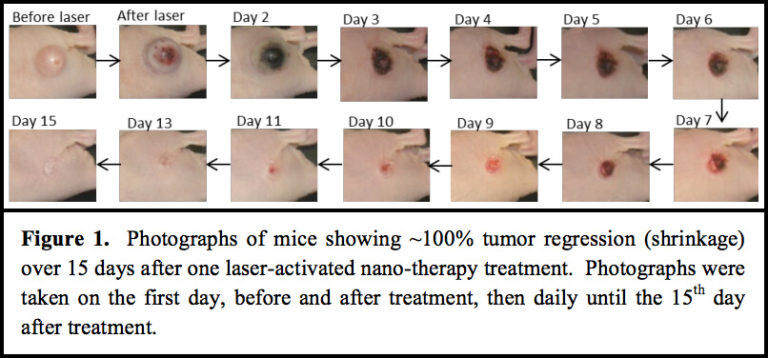
Tumors on/at the skin’s surface are injected with an FDA-approved serum carrying nanoparticles that only attach to cancer cells. When, and only when, those nanoparticles are heated with a laser, cancer cells are burned and destroyed at the microscopic level. After only 10 minutes, tumors are visibly affected, and within 15 days, gone altogether.

The procedure for internal tumors is slightly different, but could be even more significant as it can identify cancers before they turn symptomatic. In this case, fluorescent antibodies carrying the nanoparticles are injected, then attack cancerous cells. The antibodies’ tell-tale glow reveals the cancer on imaging scans, the laser directly targets the nanoparticles, and again the growth is killed while healthy tissue goes unscathed. After just one treatment, 40% of the mass is eliminated.

Hadiyah’s results are so groundbreaking that she’s received approval for HUMAN testing. All she needs is the money. And of course, that number is staggering. Even with all the funding she’s received in awards and research grants, including $1 million from the U.S. Department of Veterans Affairs’ Office of Research & Development, Hadiyah still needs millions more to make her clinical trials a reality. And she’s adamant about not standing by while the cancer epidemic that stole her grandparents ravages the country too. The American Cancer Society estimates that approximately 1.9 million new cases of cancer were diagnosed last year, and over 600,000 people will die in the United States from some form of the disease this year alone. Hadiyah’s therapy is proven on colorectal, ovarian, cervical, breast, brain, pancreatic, bladder, skin and prostate cancers that claimed over 250,000 lives in 2019 that she might have saved. Black women like Hadiyah’s dear aunt Ora Lee are most at risk.
Still, fighting the cancer itself is only part of the goal for Hadiyah. “I want to be a good steward over this technology, and I want it to be available to people that don’t have insurance, to people that are underinsured who may not have other alternatives, who can’t afford the pharmaceuticals, who have been sent home to die,” Hadiyah insists. “If I don’t protect it, nobody else will.” It’s why she’s shunned big pharmaceutical companies that might seek to profit from her work in exchange for funding it, and instead, created her own non-profit research organization, the Ora Lee Smith Cancer Research Foundation.

Nearly every step that Hadiyah’s taken to revolutionize cancer research has been unorthodox or extraordinary, and yet she’s beyond humble about the game-changing work she’s done. “It looks like I’m special, but I’m not. I’m no different from anybody else. When opportunity found me, I was prepared.” The opportunity to be a miracle-worker for future cancer patients is an absolute dream, but there’s one more way Hadiyah hopes to leave her mark on the world. “When I was growing up I didn’t see an example of a Black female scientist…, and when I thought of a physicist, I thought of Albert Einstein,” she explains. “I did not get here by myself. Because of that clarity, I know my responsibility to encourage and mentor the next generation. I hope in the future people will also think of me, a Black female physicist.”

In a future where her treatment is successful & the world is cancer-free, it’s certain Dr. Hadiyah-Nicole Green won’t need to worry about that.


KEEP GOING BLACK IN HISTORY:

See Dr. Hadiyah’s infectious enthusiasm for her work at the 2018 BET Breast Cancer Awareness Awards.

Follow Dr. Green — and her journey to kill cancer once and for all — on Instagram.


DAY 24 — Changa Bell

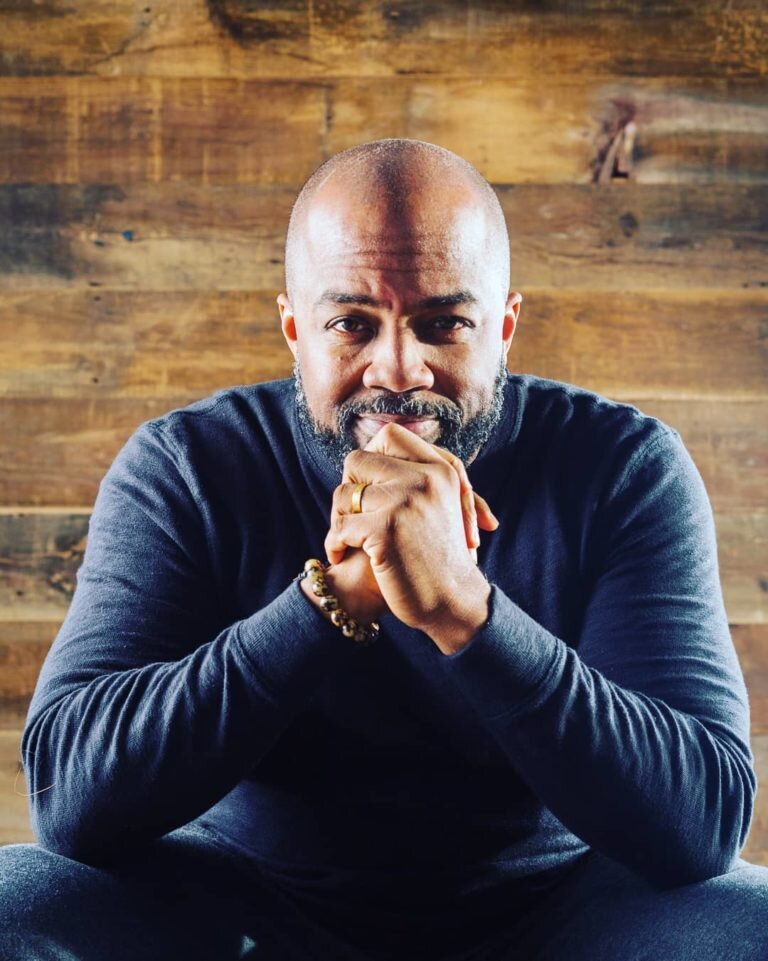
Changa Bell - Namaste with Soul

The day Changa Bell’s heart began to stop is the same day his life began to change forever.

His name means “strong as iron” in Yoruba, but the tangle of IVs and electrodes spider-webbing across his hospital bed, and the inescapable dread of closing his eyes for fear he might not open them again made him feel so weak and small. Every now and then, his heart would inexplicably stop, and no one knew for sure why. So here in a still, sterile room Changa, only in his early 30s, laid vowing that before he’d let doctors give him a pacemaker, he’d find a change of pace himself.

And he knew just where to start. The same person who’d taught him to be a man sat with Changa for the very first time and taught him yoga too. “I was raised in the ’80s, and yoga was totally not the cool thing to do,” so even though Changa’s father was a yogi, he’d never felt particularly compelled to practice yoga himself… until now. When his heart arrhythmia stabilized just a few weeks later, Changa was a believer.

But in his hometown of Baltimore where almost 63% of the population is black, he was an anomaly for a lot of reasons. Of course, black yogis are few and far between. But more importantly, yoga helped Changa escape a harsh statistic too many of his peers never did: black men have the lowest life expectancy in the United States. It was an alarming reality because the causes were nearly too innumerable to address – heart disease and stroke that claim 30 and 60 percent more black men than non-Hispanic white men, respectively; a suicide rate 4 times that of black women, when African-Americans are already 10% more likely to suffer serious psychological distress; and of course, inner city gun violence that claims too many young men’s lives.

The thought of all those ills affecting black men just like him could have been overwhelming. But Changa gave an old cliché new purpose when he discovered he could help address all of those issues with one simple solution: meditate on it.

It was a novel, and admittedly “hippie” approach, but one with science on its side too. The National Institutes of Health (NIH) list “stress management, mental/emotional health, promoting healthy eating/activity habits, sleep, and balance” as possible benefits yoga provides, and Changa himself was a living example. But like all things, getting others on board was easier said than done.

Even as someone intimately familiar with the practice of yoga, he couldn’t shake the discomfort that intruded on his peace of mind during every class. “Black men in particular were isolated from the yoga community. I didn’t fit the preconceived mold. We’re marketed as over-sexualized, hyper-violent, hyper-masculine,” he says. “I was the only male in a class of 17 people when I got certified. It was intimidating to me, and I didn’t want black men to not get the life-saving possibilities of yoga because they didn’t feel comfortable in a space with a bunch of strong, mostly white, mostly young women.” The centuries-long practice of yoga couldn’t erase America’s historic social dynamics between white women and black men, especially in a space with so little representation.

Motivated by his mantra “I am my light, my own responsibility, and that I am alone in accountability for the change that I wish to see in my world, which is really the change I wish to see in my life,” Changa took it upon himself to create the The Black Male Yoga Initiative in 2015.

In their own words, “Black Male Yoga Initiative creates integrated, supportive, safe spaces that empower our program participants to break down social stigmas, gain skills for human development and thus create positive social change in their own communities and our global community.” The organization “envisions a future, where race and gender are not social determinants of health, and where individuals are empowered to take on the path of self realization; that we may all join in the understanding that health is our collective heritage.”

An understanding of black men’s journey from commodification to criminalization gives Changa’s yoga practice a very special point of view. No matter what sort of ailments his students suffer from, his message for them remains the same: “You’re welcome here. Come and heal.” And they’ve taken it to heart. “Trauma is deeply intertwined in our existence. We get to express it here,” said one of the BMYI members. “Yoga brings balance. It puts everything I’ve ever went through into perspective.”

Changa hopes that attitude is one that ripples through the black male community, and he can see yoga transform and motivate black men in the same way it did for him. He’s set a goal to train and certify 1,000 yoga instructors aged 16-65 through BMYI, and this year, he’s going nationwide to make it happen on his “Health is Our Heritage Tour.” Pop-up workshops featuring dialogue circles, guided meditations, group life coaching, and of course, yoga sessions in six metropolitan cities will bring wellness to the black men exposed to it least but might need it the most.

It’s how now-47-year-old Changa is transforming his individual misfortune and personal enlightenment into something greater than himself. “We strengthen at an individual level in order to strengthen the community as a whole,” he says. In some circles, “namaste” – meaning, the divine in me recognizes the divine in you – is appropriated and overused, but at BMYI, black men seeing each other to wellness and truly being seen is nothing short of spiritual.


KEEP GOING BLACK IN HISTORY:

Learn more about the The Black Male Yoga Initiative and how to help or participate.

Read People Magazine’s feature on how Changa gives black men the space to love themselves.

Follow Changa’s journey on Instagram.

DAY 23 — Lauren Simmons

Lauren Simmons - NYSE’s Fearless Brown Girl

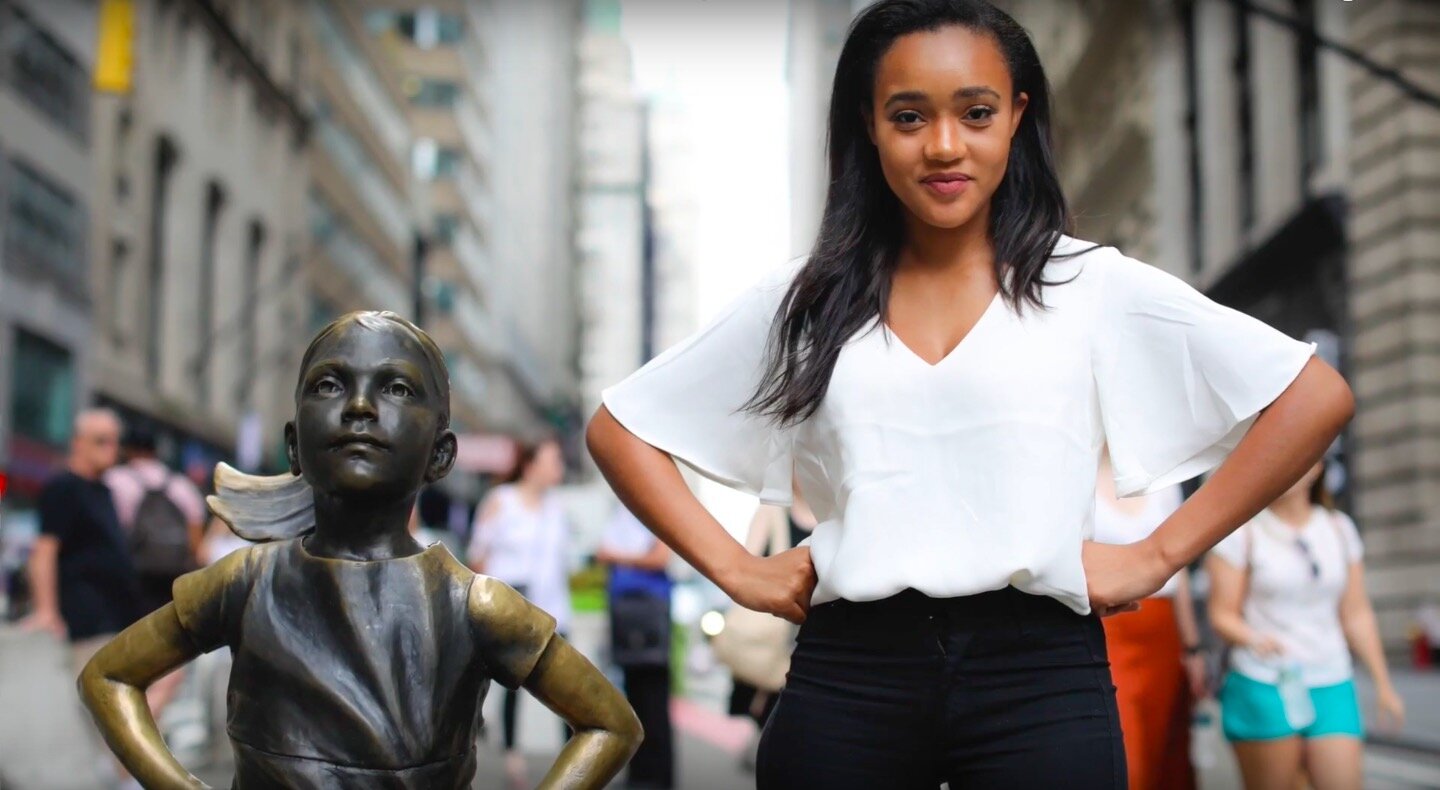
Just a day before the Fearless Girl statue made her debut in New York’s Financial District, her real-life counterpart had already beaten her to the punch.

Lauren Simmons signed her name to the New York Stock Exchange’s constitution like thousands of traders who’d come before her, but unlike most of them, she was making history.

On March 6, 2017, 22-year-old Lauren became the youngest female, only full-time female (at the time), and second ever African-American female trader in the New York Stock Exchange’s 227-year history.

“There was silence on the trading floor. You could only hear the machines whirring. Everyone was in shock,” Lauren said of the day her trader’s exam results came in.

The reaction wasn’t entirely unexpected. As woman from Georgia with a Psychology degree and no experience in finance, it was a surprising turn of events for Lauren, as well. Her education, prior jobs and working skillsets almost read like potential aptitude test results – psychology major, statistics minor, genetic counselor, medical clinic intern, sales manager – but nothing really stuck for Lauren until she applied to a financial securities firm.

She’d moved to New York with no job or home of her own, but determined to make just about anything work, even a position that she was overqualified for in an unknown field. Intrigued by Lauren’s background and tenacity, one of the firm’s partners invited her to apply as a trader instead, and well, the rest became actual history.

“You don’t need 100 ‘yeses,’ you just need that one opportunity,” Lauren encourages.

And her field is one that could use a lot more opportunity for the women and people of color she represents. The same year Lauren became affectionately known as “The Lone Woman on Wall Street,” a Stanford University study showed that men made up 75% of the wealth management field and filled more than 80% of leadership roles. The 25% of women in the field were just as productive, and in some cases outperformed, but were 56% more likely to get fired for a mistake. The numbers are even more dismal when it comes to black female professionals in particular.

Lauren aims to change those statistics with both her presence and her reassurance as someone who’s braved the unknown. “We encourage men to take risks and make failures. And they’re rewarded for it,” Lauren says. “Women don’t get that opportunity as often, but I encourage us all to try.”

Her encouragement couldn’t be better timed. Both sitting presidents of the New York Stock Exchange and the Nasdaq are opportunity-seizing, ceiling-shattering women. The circumstances are a far cry from those in 1967 when Muriel Siebert became the first woman eligible to trade on the NYSE floor, and for efficiency’s sake, was accommodated with a single bathroom stall built right in the trading room.

There’s a proper bathroom now, but Lauren had her own minor struggle with accommodation as well: the jackets identifying traders in the hustle and bustle of the Exchange only come in men’s sizes. No problem for Lauren who’s built her whole career off the belief that to be successful, we have to “be uncomfortable to go after what we want. Do what you’re meant to do and do it well.”

She’s done just that. So well, in fact, that in addition to hundreds of starstruck articles by global authorities like Forbes and Fortune recognizing Lauren’s nontraditional journey to Wall Street, there’s already a biopic being filmed about her seemingly storybook – but in truth, determined – rise to one of America’s most historically exclusive occupations. In the meantime, Lauren’s hung up her trader’s jacket to pursue an even broader range of opportunities like worldwide speaking engagements and executive producing, because despite her success at the NYSE, she reminds her cheering onlookers that “I’m 25. I don’t know if I’ve found my purpose. But I’m open and fearless.”

And a bronze statue’s got nothing a black girl who can say that.


KEEP GOING BLACK IN HISTORY:

Follow Lauren’s day-by-day rise to the top on Instagram!

Peek into Lauren’s convo with 30-year financial service veteran Suzanne Shank, sharing their career experiences in Harper’s Bazaar.

Read a few of Lauren’s smart insights on finance, diversity, and more at U.S. News and World Report.

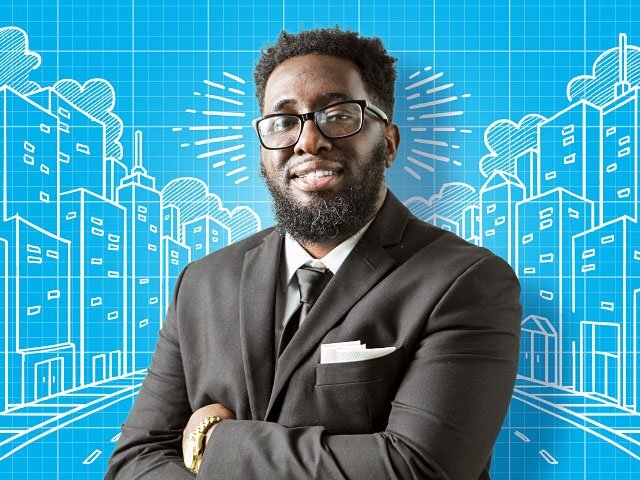
DAY 20 — Mike Ford

Mike Ford - Building on Hip-Hop

From Atlanta where the players play to the drama of the LBC, and Brooklyn Zoo to 8 Mile Road too, there’s not a corner of this country that hasn’t been touched by hip-hop.

But when summer days driving 2 miles an hour so everybody sees you turn into nights with the sounds of street sweepers and AKs, and even where ya grandma stays carries consequences, one man is making it his mission to give ethnic communities better.

“We hear the lyrics in hip-hop, but the stories that they’re telling are a critique of the environment they live in, so when you hear someone talking about guns or drugs, instead of changing the station, we should be changing those environments,” says Mike Ford.

Mike’s two greatest loves are architecture and hip-hop. It’s an unlikely combination, but at its crossroads, he sees an opportunity to affect generations to come through design justice. It’s a principle that according to MIT Press “is led by marginalized communities and aims explicitly to challenge, rather than reproduce, structural inequalities.” Boiled down, design justice identifies the social, economic, environmental and political issues that exist in community spaces, and uses the community’s knowledge and insight to help solve them. When poor test scores lead to underfunded school districts, and eventually lower economic status or even incarceration, design justice practitioners might learn from moms that thin housing project walls mean kids can’t focus on their studies – solving potential lifelong pitfalls with one simple solution.

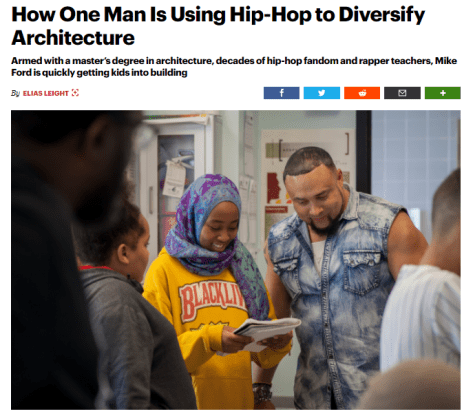
How the legends of hip-hop might have grown up writing different rhymes was a concept Mike was so invested in that instead of thinking about it, he decided to be about it, founding the Hip Hop Architecture Camp.

According to Mike, “The Hip Hop Architecture Camp® is a free, one week intensive experience, designed to introduce underrepresented youth to architecture, urban planning, creative place making and economic development through the lens of hip hop culture.” With the help of architects, urban planners, designers, community activists and hip hop artists, kids use professional drafting software and 3D models to build their own cities and communities “so that nobody has to tell those stories in their songs again.”

Aside from the change he hopes to bring to kids’ lives, Mike’s Hip Hop Architecture Camp serves another equally critical purpose, too. “Hip hop has always been the voice of the voiceless,” he says. “In architecture, less than 3% of the professionals are African American. Less than 1 in 5 architects identifies as a racial or ethnic minority, and black women comprise less than 1% of the field.” By giving kids their first introduction to architecture through hip hop, he’s introducing the field of architecture to them, too.

“I’m trying to show architects, planners, and designers that our profession is more than brick and mortar. We create incubators of culture,” Mike explains. “Even if someone is not a fan of hip-hop, or simply doesn’t like the culture, I challenge him or her to understand why it exists, and how our profession necessitated its birth through bad planning and housing practices.”

Take for example the Cross Bronx Expressway. Its construction on Manhattan Island in 1955, created a structural division and environmental nuisance that drove middle- and upper-class residents to build affluent communities and economic districts further south, but left people of color and the poverty-stricken isolated. Today, the Bronx is arguably considered the birthplace of hip hop, a detail that Mike knows isn’t a coincidence.

He regularly quotes NAS whose song “I Can” encourages kids to be – among other skilled professions – architects. Mike’s taking that song’s spirit and laying the foundation for the engineering, mathematical, imaginative, and critical thinking skills it takes to be successful in his field, as early as possible. After all, as an architect, he’s also familiar with the great communities of color like Greenwood in Tulsa and Black Bottom in Detroit, both long decimated. “I’m letting kids know we have a history of building spaces and places,” he contends.

For the 10-to-17-year-olds attending Mike’s Hip Hop Architecture Camp in dozens of cities nationwide, learning their history, analyzing their playlists and tinkering in models are more than just fun ways to spend a week. It’s what Mike hopes builds the right knowledge, experience and dedication to see to it that the people influenced by trap house environments can graduate to corner offices where they’re empowered to change them.


KEEP GOING BLACK IN HISTORY:

Host, attend or just learn more about a national Hip Hop Architecture Camp.

Check out Rolling Stone’s feature on Mike Ford & his camps.

Each session of campers produces their own rap video based on their camp experience and rooted in their city’s history and musical style. Watch & listen to the 2018 Detroit Camp’s banger.

DAY 19 — Stephanie Lampkin

Eight interviews into the hiring process, suddenly, Stephanie Lampkin “didn’t have enough technical experience.”

By 13, she’d learned to code. By 15, she’d grown into a proficient developer. Then graduated with a Stanford University engineering degree, and an MBA from MIT Sloan School of Management, too. Her resume boasted engineering, web development and project management positions with tech giants like Microsoft, Lockheed Martin and Tripadvisor.

It was almost laughable that of all people, Stephanie Lampkin didn’t have enough technical experience. And then they dropped the punch line.

“We’ll hang onto your résumé in case a sales or marketing position opens up.”

She couldn’t have been more caught off-guard. “I thought, ‘I’ve been in computer science since I was 13. What more can I do? I have degrees from both Stanford and MIT and you’re telling me that I’m still not qualified? It was a big “aha!” moment for me.’”

Instead of looking for the right job, she’d code her way into getting the right job to look for her.

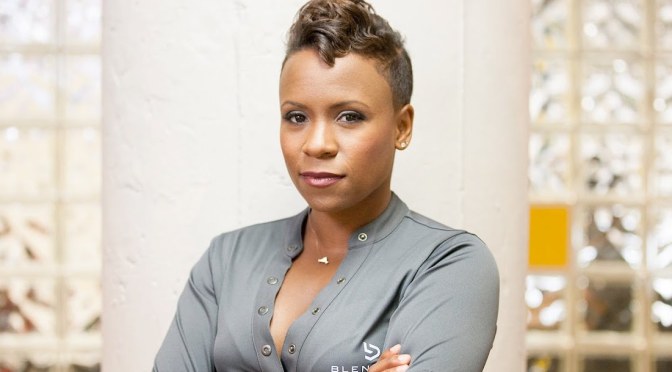
Enter Blendoor, a job-matching platform Stephanie built to eliminate unconscious bias in the hiring process, and empower companies to hire based on merit, not the majority. It provides a blind review process that removes all references to biasing demographic details – age, name, race, gender, and photos – and fills positions at diversity-minded companies with the most qualified candidates, period.

Too often, women, people of color, those with disabilities and other marginalized groups hear that companies WANT to hire diverse talent, they just can’t find it. But research indicates that the hiring pool isn’t the problem as much as the people doing the hiring are. “Are Emily and Greg More Employable Than Lakisha and Jamal?” an American Economic Association study asked. The answer then – and in repeated studies since – was overwhelmingly yes, with “white-sounding names” receiving 50% more callbacks than “black- or foreign-sounding names.” A joint study between Northwestern University, Harvard University, and the Institute for Social Research in Norway conducted repeatedly in multiple industries found that “at every step of the way, employers were more likely to proceed with white candidates.”

It’s a state of affairs many are aware of, but no one wants to believe is happening in THEIR organization. Stephanie disagrees. “Everybody has unconscious bias. It’s not a sexism thing, it’s not a racism thing, it’s a human thing.”

It’s the crucial insight behind removing the human element of the initial screening process altogether, and one she actually learned from an unlikely source: symphony auditions. When they began holding auditions behind a curtain, symphonies found that their gender diversity increased as much as five times that of the typical open audition. And when based on the talent alone, of course those symphonies found improved performance as well. Stephanie has replicated that model for the tech industry through Blendoor.

“I don’t want to get pigeonholed into, ‘Oh, this is just another Black thing or another woman thing,’” she says. “No, this is something that affects all of us and it’s limiting our potential.”

And what’s more, Stephanie doesn’t just empower clients like Apple, Facebook, Google, Intel, and Airbnb to diversity their hiring efforts, she empowers employees to leave their own anonymous rankings of their company’s internal inclusion efforts. With input from both sides of the equation, she’s able to solve for how each individual corporation can boost its hiring, retention and philanthropic efforts to ensure that everyone has access.

But even building her own start-up hasn’t given Stephanie immunity to the very problem she’s trying to solve. “The thing that I come up against that is always unspoken is the fact that a lot of these men haven’t seen a black woman create a product that leads to a billion-dollar valuation.” she explains. “But someone has to break through. You have to have the Jackie Robinson.., the Amelia Earhart of tech. There have been no examples of a black woman building a product, engineering a product, and making it a billion-dollar company. I’m representative of something people haven’t seen before.”

Since Blendoor officially launched in 2016, Stephanie’s not content with just tackling bias in tech. “I fear that there are many people in this world (including myself) who may never be able to reach their full potential, due to poverty, homophobia, transphobia, sexism, racism, and many other ‘isms,’” she explains. So she’s making it her business to tackle those issues everywhere, starting with venture capital where “black women lead more than 1.5 million businesses in the U.S., but received .002 percent of all venture funding in the past five years.” It’s a huge hill to climb, but if anyone can, it’s Stephanie.

After all, she’s got experience.

Stephanie Lampkin - Beating Bias with Experience

KEEP GOING BLACK IN HISTORY:

Explore the platform & get the details on how Blendoor works.

Read Business Insider’s profile on Stephanie & what she’s up against.

Listen to Stephanie speak at the Grace Hopper Celebration on how inclusive hiring is “#NotAPipelineProblem”.

DAY 16 — Hannah & Charlie Lucas

Hannah & Charlie Lucas - Suicide Prevention’s Smartphone Sibs

“Oh, I’m fine.” and “Doing ok, thanks!” could be two of the most frequently uttered lies in the English language.

And even though she had good reason not to, then-15-year-old Hannah Lucas was just as guilty of telling them as any of us. But those little white lies had dangerous consequences for the teenager who’d suddenly developed a medical condition that caused unexpected and uncontrollable fainting. What if she felt a spell coming on while no one was around? Or potentially worse, while EVERYONE was around – at school, in public, or at a party?

So Hannah watched the world from inside her bedroom, where her involuntary condition presented new symptoms many disabled persons are all too familiar with: utter isolation and depression. And locked in her bedroom with the ever-looming fear that either her physical or mental disability could end life as she knew it, Hannah came too close to taking the matter into her own hands instead. When her mom intervened by chance and asked her daughter why she’d bear that burden alone, Hannah blurted out an insight turned inspiration – “I wish there was a button I could press to tell you I wasn’t okay.”

But what if there was?

With newfound focus and renewed hope, Hannah immediately set to work concepting an idea for an app that would allow an urgent outcry to her family and closest friends if she needed assistance for any reason at all, without saying or texting a word. When her code-writing little brother Charlie assured her that he could design her app, it wasn’t long before the siblings’ at-home collaboration became a digital reality.

“The notOK App® takes the guesswork out of asking for help. It’s a digital panic button to get you immediate support. Instead of typing out a text message to only delete it before sending, notOK App is super simple. With just one button press, a user’s peer support team is notified and can provide help,” Hannah wrote in a funding pitch. In fact, she and her brother pursued and secured all of their own capital, eventually partnering with a developer to launch the app on iTunes and Google Play, where it’s since gained thousands of downloads, high praise from its users, and endorsement from the Born This Way Foundation and the American Association of Suicidology as well.

With notOK App, needing help isn’t taboo and neither is being unable to ask for it.

But turning insight into action doesn’t stop there for Hannah and Charlie. When Virginia passed a bill mandating mental health training for all teachers, the siblings knew that the students in their home state of Georgia could benefit from the same. This year, they’ll present their proposed bill during the Georgia legislative session. It’s the common sense next step for the pair who recognize that notOK® is a tool for those who feel as though they have nowhere else to turn.

And that’s too many. Suicide is the second leading cause of death for those aged 10 to 34, a statistic that’s even more grim when it comes to black youths aged 10 to 19, having risen 73% for that demographic since 1991. The Lucas teens’ own mother has first-hand knowledge that “kids don’t necessarily have the vocabulary to say, ‘Hey, I’m dealing with anxiety.’” Their lived reality makes Hannah and Charlie especially suited to step into the gap, using their well-earned platform to provide resources and representation for the ones who need them most.

As for Hannah, the experience has only made her stronger and given her the courage to do the simple thing that so many others take for granted every day: live. “Now I’m not just living for myself. I have to keep on living. I have to keep on thriving,” she asserts, a sentiment her brother uses his voice to amplify. “I would really like to tell people that it’s okay to be not okay,” says Charlie. “It’s okay to be where you are right now. We just have to get through it.”


KEEP GOING BLACK IN HISTORY:

Get all the details on how notOK App makes contacting the ones you love or an emergency service as simple as pressing a button and download it FREE here.

“Today was a good day, but it almost didn’t happen.” Read Hannah’s account and inspirational journey in her own words at Teen Vogue.

If you or someone you love is struggling right now, call the National Suicide Prevention Lifeline at 1-800-273-TALK (8255) or live chat on their website.

DAY 13 — Tina Williams Brewer

Tina Williams Brewer - Stitching Together Stories of the Diaspora

Spools, scraps, and stitches are the tools with which Tina Williams Brewer delicately crafts her stories.

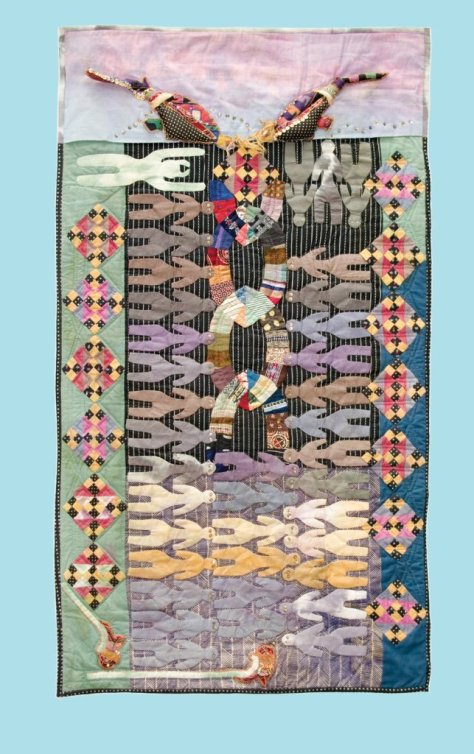
The Harvest, 1989, 60”x 40”
“‘The Harvest’ was created in 1989, during Tina’s first decade of quilting. The door-sized piece is done in muted grays and dusky browns. Appliqued figures are lined up in two columns as if men were stacked on the deck of a ship. The quilt is about slave trade and forced relocation. Brewer said the quilt evokes dark reactions but she is unrepentant. ‘It’s really hurtful, the harshness of the topic,’ Brewer said. ‘It’s something people should see and begin to talk about. I needed to understand more about this. It was so liberating.'”
(Read More)

For over 30 years, her hands have documented intimate family moments and cultural milestones in black history, shaping those stories into the centuries-old tradition of story quilting.

In Tina’s hands, fabric scraps, including some from her former life as an interior designer, are transformed into the tragedies of the Middle Passage, the path that slaves journeyed from west Africa to the West Indies. Her photo-transferred panels pay respect to the memory of black people forgotten by history, and prevent the racist places and spaces of the world from hiding behind the folds of time. And when she stitches diamonds, with their four points symbolizing birth, life, death and rebirth in African cultures, the significance of her fingers moving with the same intention of those who came before her is almost divine.

“When I am working,” Brewer writes, “I often feel as if my fingers are being guided by forces I don’t completely understand, but that help me create far more insightfully and knowledgeably than I would be able to otherwise. I believe these forces are the thoughts, feelings and insights of my ancestors – those whose stories I try to tell.”

But the stories of her ancestors are even intertwined in the craft itself. There’s a rich legacy of black seamstresses, tailors, and clothworkers that goes untold because of its roots in slavery. Without the skills to craft their own garments, in a time when little was store-bought, members of the antebellum high society attended balls, cotillions and galas in only the finest fabrics and elaborate designs, hand-crafted by their slaves. The same was true, of course, for everything from saddles to household textiles, especially quilts which are arduous and painstaking pieces to sew entirely by hand. Though the households they worked in demanded strictly traditional quilts, slaves preserved cultural roots by sewing their own quilts in the African tradition, with abstract patterns, meaningful symbols, and mythologies representative and reminiscent of their homelands.

When Tina started quilting in the early 1980s, she too worked in traditional American and European patterns, taking up the trade as a way to spend more time with her children. But when her own research and trips to Africa taught her the history behind her hobby, she abandoned her former Western designs for something more culturally familiar.

Since finding inspiration in her history, Tina’s become widely recognized as the premier black story quilter of the modern era. Her quilts hang in places as far-flung as U.S. Embassies in Sudan and Ghana, but as close to home as New York, Dallas and Baltimore, mimicking the widespread nature of the African diaspora itself.

These stunning works of art often hold a dark history, sometimes avoided intentionally, sometimes simply left untold, but Tina makes it her goal to bring everyone to the conversation that’s been lingering for centuries.

“I think people don’t always understand the volume of history that’s taken place and sometimes they need someone to point it out to them with something that’s soft,” she muses. “I speak for those who have no voice, and I’m very blessed to be a conduit.”

Despite quilting for the last three decades, Tina has no intention of stopping, recognizing that by pouring her heart and history into each piece, and inspiring others to tell their own stories through quilting, her work sustains black history the way this medium was intended: through the hands of generations.


KEEP GOING BLACK IN HISTORY:

Visit Tina’s extensive gallery of work here.
Hear Tina describe her process in her own words and see more of her work here.

Read up on and see the work of the women of Gee’s Bend, some of the most highly-skilled and historically-treasured black quiltmakers in American history.

Explore more quilts and the history of black quilting here.