
As a fifth grader at Sally Ride Elementary School, Jessica Watkins daydreamed about life on Mars.
Little did she know that life could be her own.
But first, a few small steps…

Like becoming the first Black woman to live aboard the International Space Station.
And then, the first to live on the moon.


Jessica is one of 18 astronauts selected for the 2024 Artemis Mission that will return humans to the moon for the first time in 50 years, and our first long-term lunar stay. She’ll become just the 5th African-American woman in space while being accompanied by the second, Stephanie Wilson, who’s spent more time in space than any woman at 42 days, and also served as the voice of mission control during NASA’s first all-female spacewalk. (Jessica Meir and Christina Koch, the spacewalkers, will join Watkins and Wilson on the Artemis Mission.)
NASA is quick to note that they aren’t fully orchestrating all the diversity aboard these recent and upcoming missions, but that it’s a sign of the times: Meir & Koch’s fellow graduating astronaut candidates were 50% women.
But none have been quite like Jessica Watkins.
All of her life experiences—short as it’s been at just 33 years—have led up to this moment.
She describes herself as a “rock nerd,” but she also played rugby for Stanford.
Her PhD in planetary geology is one of many academic reasons she was selected for Artemis, and is a prime candidate for that mission’s post-moon Mars exploration: Jessica was an instrumental member of the science team for the Mars Curiosity Rover Program. She’s one of the mere mortals who knows its surface best. She’s also extensively studied Earth’s changing landscape from deserts, volcanoes, and underwater, as well as the ripple effects of those shifts. The lady knows millions of miles of rocks everywhere.


Her eclectic existence is precisely why Jessica sees so much possibility in space.
“There was something that always pulled me towards space — the idea of exploration, of wanting to push boundaries and capabilities, both technically and physically, but also mentally and spiritually. I kind of stumbled into geology and fell in love with that,” she said. “And then the stars aligned for me to end up here.”
And from the stars, she’ll continue her research.
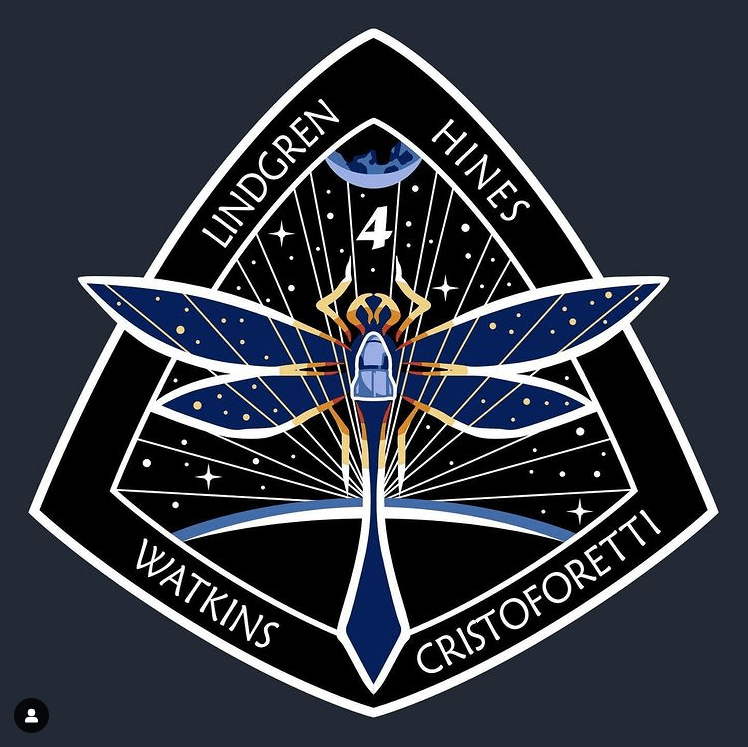
In April, Jessica boards SpaceX’s Crew Dragon capsule to depart for the International Space Station, where she’ll spend 6 months studying earth and space science, biological science, and observing and photographing the geological changes on Earth.
But her mission will still be undeniably human.
Despite global tensions between the two countries peaking at home, the U.S. and Russian segments of the ISS are still docked together. And Jessica, already making so much global history, will add her name as only the 8th African-American to board the station among 250, so few to serve as our ambassadors to the rest of the world.

She credits all of her stellar accomplishments and tremendous firsts to being a girl who daydreamed and simply never stopped.
“A dream feels like a big, faraway goal that is going to be difficult to achieve, and something that you might achieve much later in life,” she said. “But in reality, what a dream is — or a dream realized is — is just putting one foot in front of the other on a daily basis. And if you put enough of those footprints together, eventually they become a path towards your dreams.”
In that path toward her dreams, Jessica’s following in some legendary footsteps and taking giant leaps toward a world that looks like home for us all.

KEEP GOING BLACK IN HISTORY:
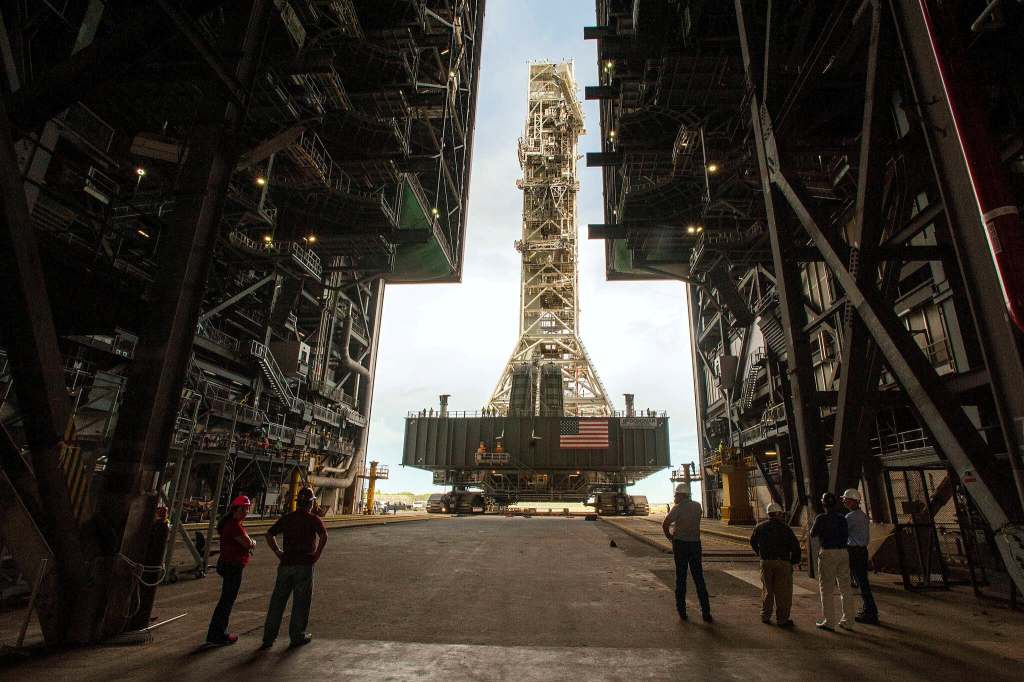
The Artemis mission is scheduled to launch in 2023. Read more about it at its NASA-dedicated landing page.

Follow Jessica’s journey across the stars on her Instagram.

Read over Jessica’s official NASA astronaut bio, including her full list of qualifications and accomplishments.
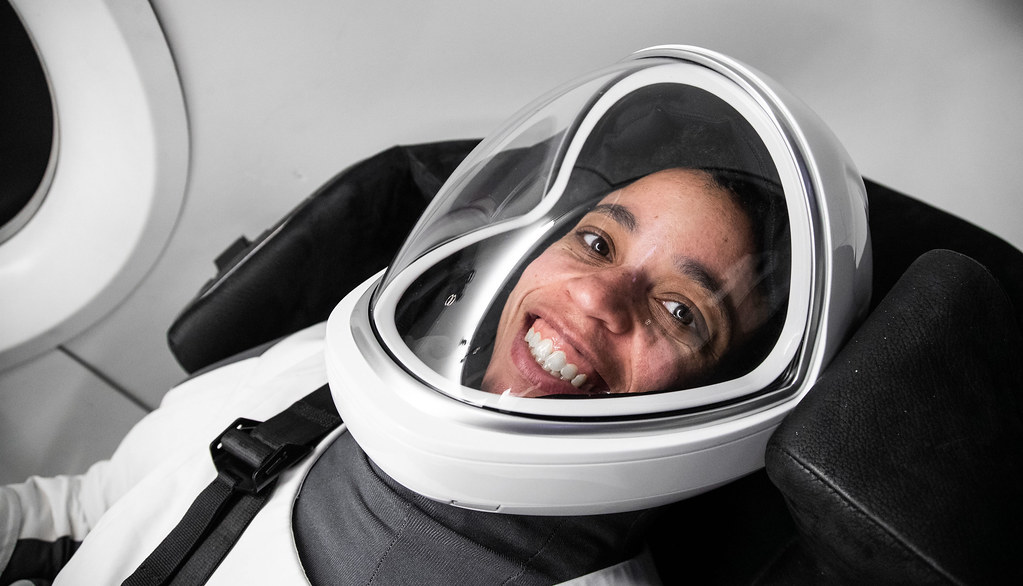
Jessica speaks for herself in an interview with NPR about her research and the significance of her inclusion in the Artemis mission.
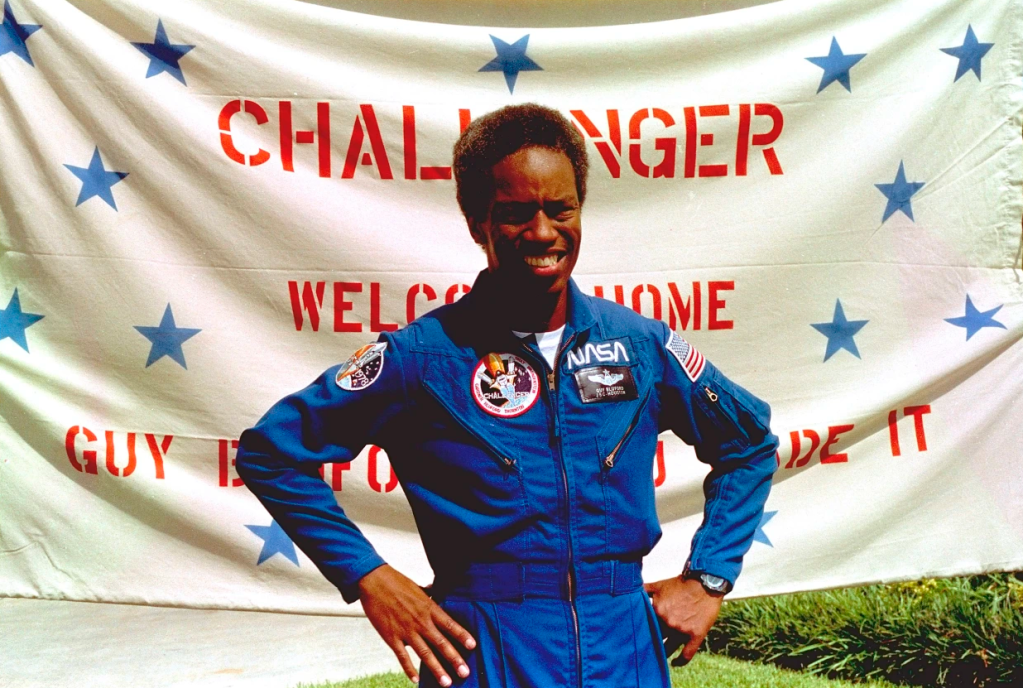
Learn more about Jessica and the (brief) history of African-Americans in space at the New York Times.

Scientific-American writes about how “African-American astronauts have been another group of hidden figures in the U.S. space program”.

Marie Claire wonders “Why is Space Still So White?”


 THE AMERICAN BLACKSTORY