Tag Archives: HARLEM RENAISSANCE

DAY 18 — Philip A. Payton Jr.

The major difference between racial terrorism in the North and the South was the publicity.

Escape to the North and you may avoid a spectacle of a lynching, but that still didn’t make you welcome.

Take the case of Harlem, NY.

Now considered one of the most historic African-American communities in the United States, it was once entirely white and there were a lot of folks invested in keeping it that way.

Real estate investors, to be specific.

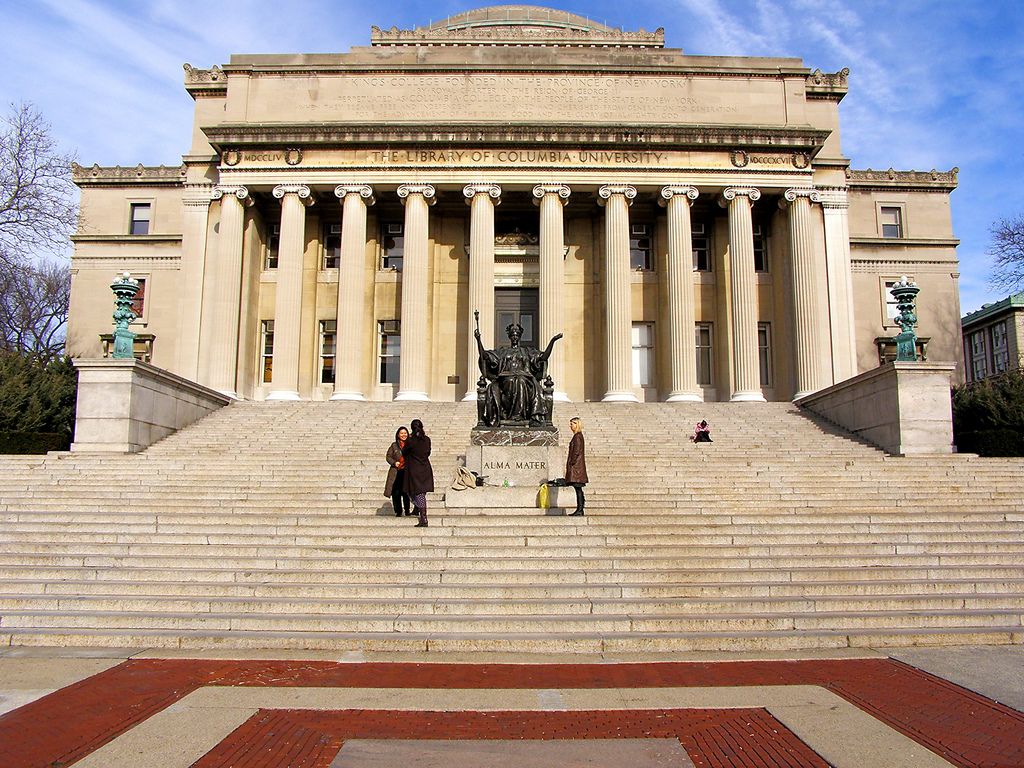
The neighborhood just north of Manhattan was booming in the late 1800s. Oscar Hammerstein’s first opera house, the world’s largest gothic cathedral in St. John the Divine, and Columbia University all opened or began construction in Harlem within 8 years of each other. Property was being snatched up left and right to support new expensive apartments, some priced up to 800% more than those in Manhattan. Harlem was destined to be the height of luxurious living.
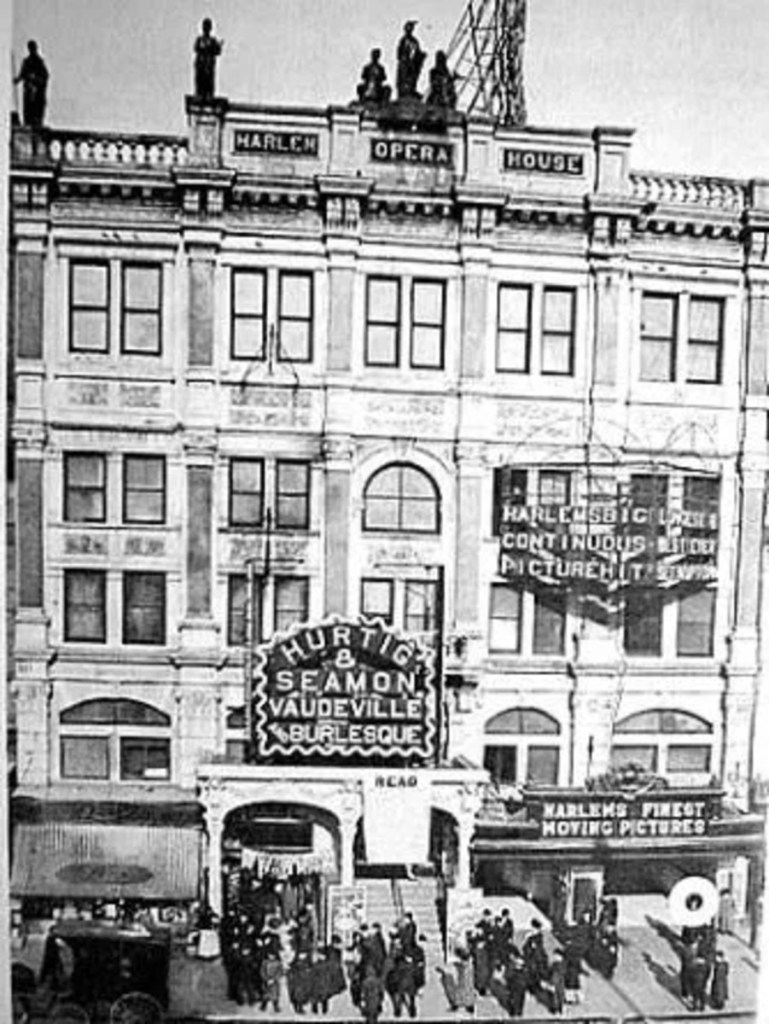
But the city was growing everywhere, and by 1904, developers and dwellers were already on to New York’s next hotspot. All those high-dollar rents were plummeting as whole buildings purchased in anticipation of continued growth suddenly stood empty.

But Philip A. Payton Jr. had been biding his time. After a few odd jobs and small business ventures, he’d discovered a passion for real estate. And then spent his last dime on classified ads. 

“COLORED TENEMENTS WANTED | Colored man makes a specialty of managing colored tenements; references; bond. | Philip A. Payton, Jr., agent and broker, 67 W. 134th.”

If it ain’t broke, don’t fix it. A 1907 New York Age classified ad taken out by Mr. Payton reads almost the same as his first.

Whatever property did come his way would have to come cheap. And racism was about to get Philip out of the red.

“My first opportunity came as a result of a dispute between two landlords in West 134th Street. To ‘get even’ one of them turned his house over to me to fill with colored tenants,” Philip recounted to the New York Age.

An ad in a 1906 issue of the New York Age shows how busy Mr. Payton was with Harlem real estate.

The race to own Harlem was on. With a few rent payments in his pocket, Philip purchased even more luxury properties at rock-bottom prices to pass on to new, Black tenants.

And the locals were not happy about it. White New Yorkers weren’t willing to share their space with people of color and their white brokers knew it. If things kept up at this rate, they’d have even more empty buildings on their hands, so the brokers started biding their time too. The second Philip sold some of his predominantly African-American tenements to free up some cash, the white brokers snatched it up, evicted his tenants, and made the buildings white-only again.

Well, Philip knew how to be slick too.

Two buildings managed by those white brokers were up for sale on the same row, sandwiching the ones he’d sold. He bought those two buildings, evicted all of the white tenants, replaced them with Black ones, and created the exact crisis the white brokers were trying to avoid. Suddenly in the middle of a Black block, the white tenants fled and their brokers had to put the buildings back up on the market.

Guess who bought them for even less than he sold them for.

In the midst of all of this buying and selling, Philip recognized that he couldn’t take on the entire Harlem real estate establishment, so he formed an organization that could. On June 15, 1904, the Afro-American Realty Company was chartered and funded. With 50,000 shares issued at $10 each to wealthy African-Americans, the Afro-American Realty Company bought properties throughout the neighborhood, turning Philip’s vision into whole blocks of thriving Black families.

Read the full article at the NYT’s “Times Machine” here.

He saw Black folks using the circumstances stacked against them to come up. The New York Times saw a “Real Estate Race War.”

The Afro-American Realty Company didn’t last, but the trend did. Philip opened the Philip A. Payton Jr. Company, and spurred by his continued success in the neighborhood, many of Philip’s former AARC co-investors followed suit. By 1905, newspapers reported on the shifting demographics in Harlem like a plague had descended. “An untoward circumstance has been injected into the private dwelling market in the vicinity of 133rd and 134th Streets.” the New York Herald reported. “Flats in 134th between Lenox and Seventh Avenues, that were occupied entirely by white folks, have been captured for occupation by a Negro population… between Lenox and Seventh Avenues has practically succumbed to the ingress of colored tenants.”

Read the full article at the NYT’s “Times Machine” here.

Though their language left something to be desired, the Herald wasn’t wrong about the tidal wave of African-Americans who seemed to own Harlem overnight. By 1915, just over a decade after Philip first moved to an all-white block himself, census records showed nearly 70,000 Black residents had moved in right behind him. In 1917, he officially staked his claim in Harlem with the biggest purchase of property by Black broker that New York had ever seen. Philip bought six buildings at $1.5 million, naming them all for historic Black figures, building more community from that sense of pride.
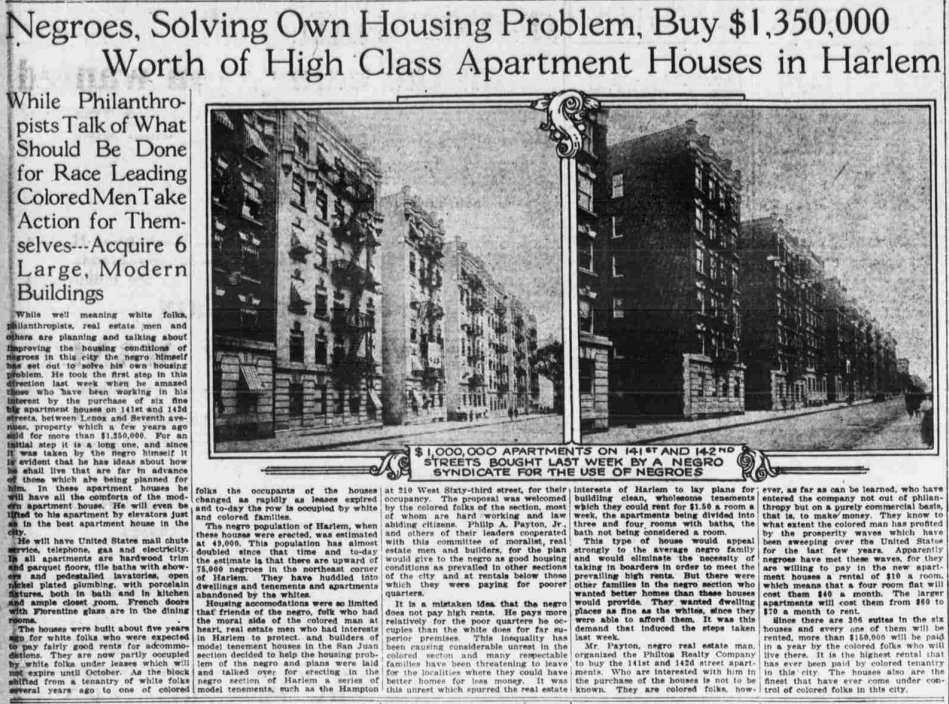
For his lifetime of groundbreaking development, Philip was called the “Father of Harlem,” and though he died at 41 years old, just a month after his historic $1.5 deal, the foundation he laid lived on. It’s no coincidence that in 1920, the Harlem Renaissance officially began. Even the National Institutes of Health recognize that psychological safety—”the belief that you won’t be punished or humiliated for speaking up with ideas, questions, concerns, or mistakes”—leads “to increased proactivity, enhanced information sharing, more divergent thinking, better social capital, higher quality, and deeper relationships, in general, as well as more risk taking.”

Free from the fear of their homes falling under constant threat from the whims of white people, whether they were southern night riders or northern bankers, African-Americans finally had the luxury of creating something beautiful, and in doing so, absolutely changed the world.
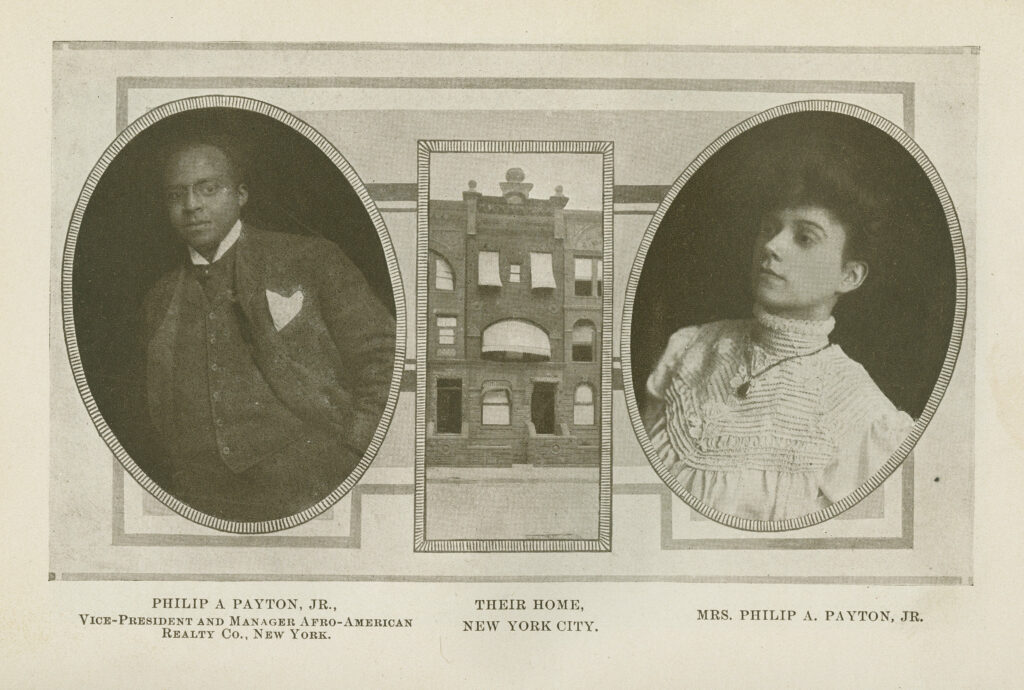
Philip and Mrs. Payton went from rags to riches in Harlem, and were even presented in print like they were royalty.

KEEP GOING BLACK IN HISTORY:

Though the New York Times ran articles about him and what he was doing in Harlem, their Overlooked series is the first to truly acknowledge its positive impact.

Philip wasn’t the only wildly successful Payton. Read through an accounting of his accomplishments, as well as those of his siblings at Westfield State University in the town where the Paytons once flourished.

DAY 22 — Gladys Bentley

Police swarmed the King’s Terrace nightclub in midtown Manhattan. Some upstanding citizen had reported a terrible crime in progress that 1934 night. A “masculine garbed smut-singing entertainer” and her “liberally painted male sepians with effeminate voices and gestures” were traipsing around the stage and right through the audience performing songs so lewd the devil himself would blush.

On the other hand, through the eyes of renowned black poet Langston Hughes, that same performer was an “amazing exhibition of musical energy – a large, dark, masculine lady, whose feet pounded the floor while her fingers pounded the keyboard – a perfect piece of African Sculpture, animated by her own rhythm.”

From the beginning, Gladys Bentley – or Bobbie Minton, depending on where you knew her from – seemed to have a knack for being different things to different people.

A full figure that she clothed in men’s attire, her reputation as a tomboy, and schoolgirl crushes on female teachers were the earliest indicators that Gladys was different from the other girls. Her parents sent her to specialist after specialist to be “fixed,” but when Gladys was 16, she fled their closed-minded Philadelphia home to find a new family in Harlem instead.

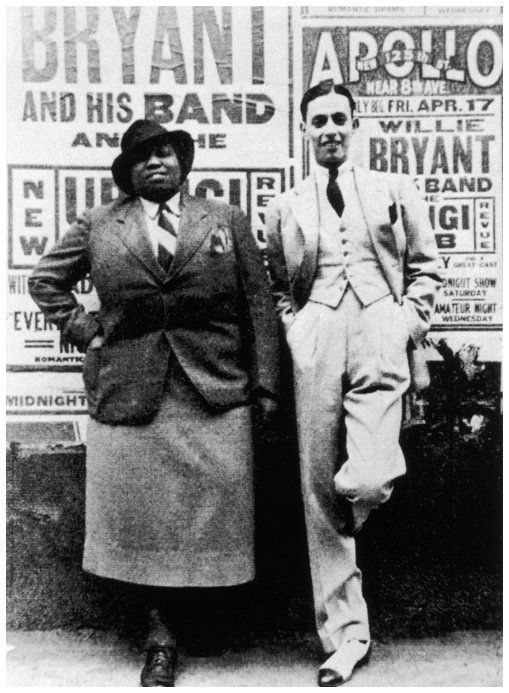
Gladys poses with bandleader Willie Bryant outside the Apollo Theater, April 17, 1936.

She arrived in 1923 during the Renaissance, and after a handful of small gigs around town, an opportunity that seemed tailor-made for her presented itself. The owners of The Clam House, one of Harlem’s most famous gay speakeasies, needed a new man as their sister bar’s nightly pianist, and as far as Gladys was concerned, she fit the qualifications. “But they want a boy,” a friend scolded her. “There’s no better time for them to start using a girl,” Gladys quipped. She arrived at her audition with her hair slicked down and in the finest suit a runaway teenager could find, where she proceeded to bring the owners, the staff and everybody within earshot to their feet in a standing ovation.

There could have been no better validation. But then again, when it came to validation for society’s free-thinkers, there was no better place than Harlem. During the Renaissance, creative, curious and ambitious black minds flocked to Harlem to join the growing collective of visual, performing and written artists flooding the American consciousness. The influx of those new ideas and Harlem’s never-dry, Prohibition-defying nightclubs together catered to and encouraged an “anything goes” atmosphere, drawing all sorts of eccentric subcultures to the heart of the action.

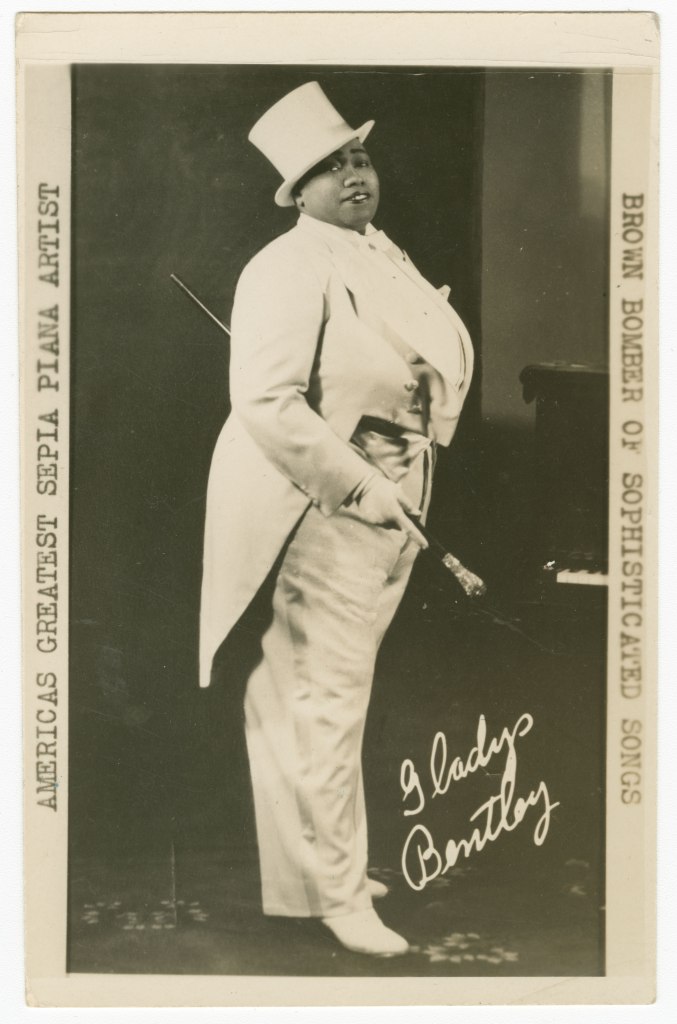
Gladys Bentley, photographed in a Harlem nightclub in 1940, courtesy of the Smithsonian.

Here, Bobbie was free to be, and what she became was a Harlem legend in a white top hat and full tux, who stomped her feet with the same ferocity that she banged on her piano, transforming innocuous radio-friendly songs into lusty howlers, and unapologetically flirting with every woman in her audiences. In her own original songs, themes of female independence from gender norms and escaping abusive relationships dominated her lyrics, and her signature trumpet-scatting filled the space between. Crowds packed into the variety of clubs Bobbie headlined, hoping in particular to hear her barn-burner “Nothing Now Perplexes Like the Sexes, Because When You See Them Switch, You Can’t Tell Which is Which.”

But for Bobbie, that night at King’s Terrace and the padlock police used to shut the club down only symbolized the beginning of her end in New York. Financial woes plaguing the populace during the Great Depression in the 30s and the end of Prohibition brought the nightclub scene to a grinding halt. The woman who’d once boasted record deals, a $5,000 a month apartment on Park Avenue, and sold out every show would have to find a new home for herself and her act.

Luckily, her fame already preceded her nationwide with tours that took her to Pittsburgh, Cleveland, and as far as California, where she ultimately decided to move. As Los Angeles’ “Brown Bomber of Sophisticated Songs” and “America’s Greatest Sepia Piano Player” she once again dazzled audiences, but it was clear her Harlem heydays were long gone. Laws passed in California forced her to carry special permits to wear men’s clothes and increasing public distaste for non-gender-conforming people continued to stifle the flamboyant show that put Gladys on the map.

By the 1950s, black celebrities who dared to oppose social conventions were being dragged into and condemned at all-white government hearings, victims to McCarthyism and the Red Scare. Her already declining career couldn’t suffer another blow, and in 1952, Gladys submitted an editorial feature to EBONY Magazine, declaring herself cured of her “third sexuality.”

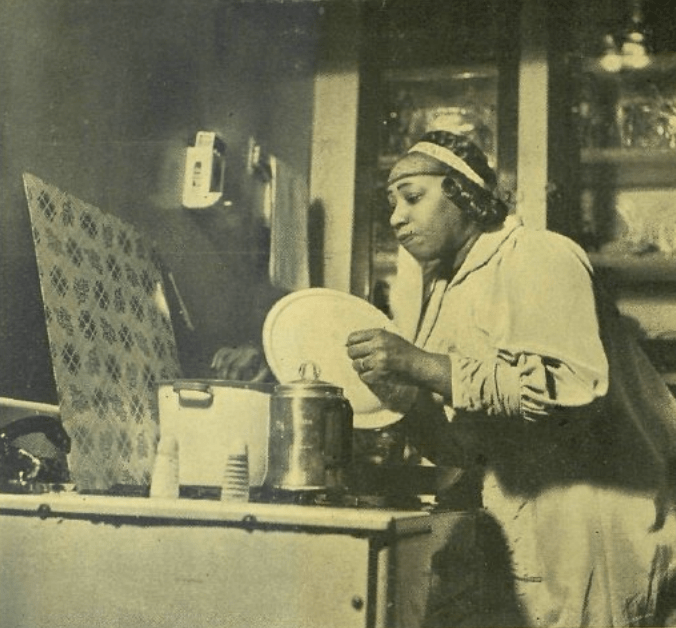
Gladys in a more traditional gender role from a spread in Ebony Magazine.

But in that same article, Gladys slipped a telling insight. “Some of us wear the symbols and badges of our non-conformity,’ she observed. “Others, seeking to avoid the censure of society, hide behind respectable fronts, haunted always by the fear of exposure and ostracism. Society shuns us. The unscrupulous exploit us. Very few people can understand us. In fact, a great number of us do not understand ourselves.“ For someone who claimed to have successfully extracted the “malignant growth festering inside,” her message of self-acceptance and inclusion rang loud and clear.

Sometime over the next 8 years, the bombastic life of Bobbie Minton was put away. Gladys married two different men in short-lived relationships, found religion, and lived with her mother until passing away in 1960 at only 52 years old. Whether Gladys truly found peace with her identity, no one could say, but her brief and once-fearlessly queer life inspired so many to live vibrantly, flout normality, and defy anyone standing in the way of the person they were born to be.


KEEP GOING BLACK IN HISTORY:

Listen to Gladys Bentley’s hit, “Worried Blues” and her signature trumpet vocalizations.

Get all the gossip on the extraordinary Gladys Bentley / Bobbie Minton from BUST Magazine.

Read Gladys’ own words via her EBONY Magazine essay “I am A Woman Again.”

DAY 18 — Gordon Parks

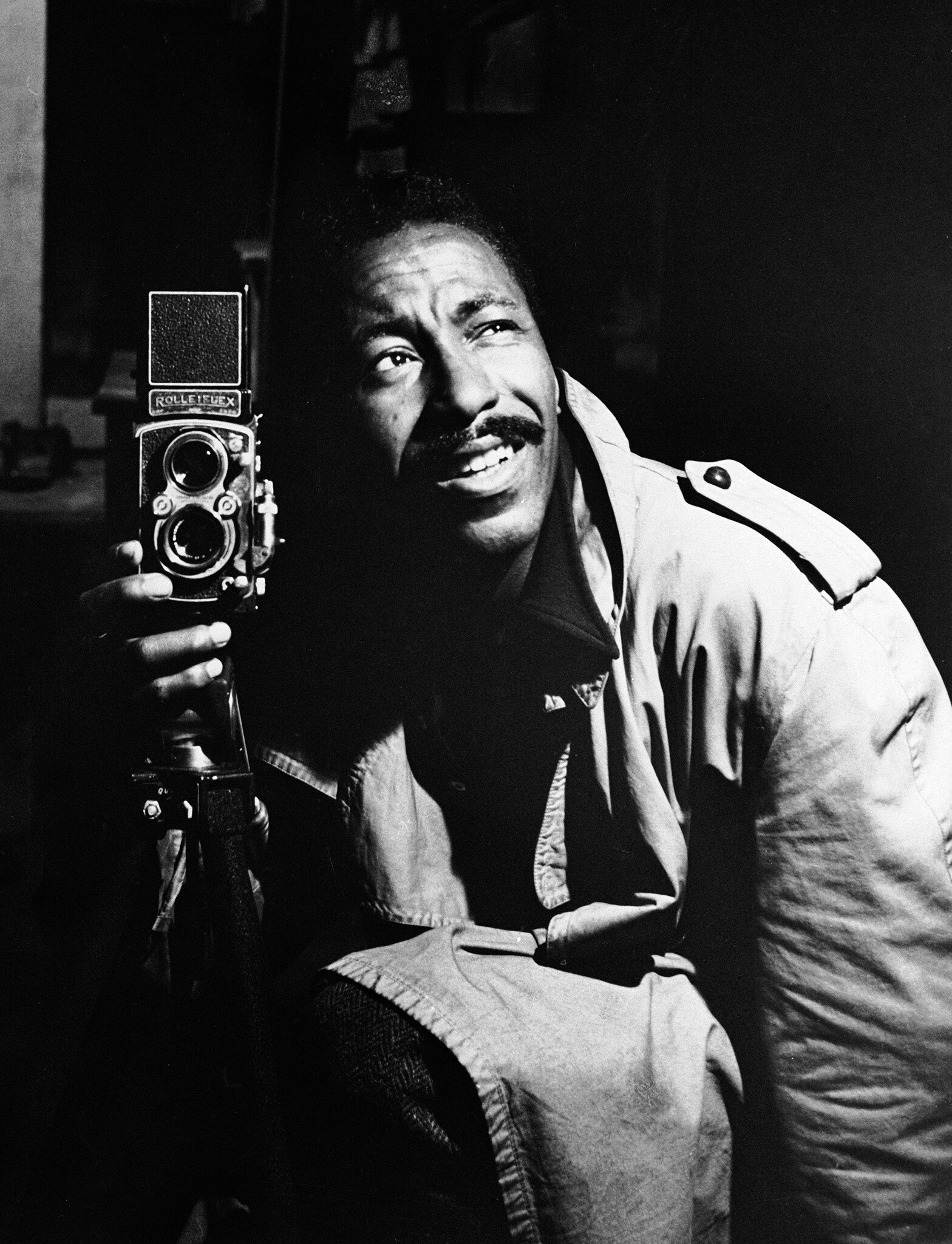
Gordon Parks - Melanin on Both Sides of the Lens

“I saw that the camera could be a weapon against poverty, against racism, against all sorts of social wrongs. I knew at that point I had to have a camera.”

In 1938, Gordon Parks bought that camera, and for just $7.50, he became the first black man to make the world truly see its reflection through his eyes.

And those eyes had seen more in his 26 years than most had seen in a lifetime. Gordon lost his mother as a teenager and had subsequently been homeless, a high school dropout, a piano player and singer, busboy and waiter, semi-pro basketball player, and worked for the Civilian Conservation Corps. But when he chanced upon a discarded magazine featuring photojournalistic images of migrant workers, immediately Gordon envisioned himself as the man behind the camera. “Still suffering the cruelties of my past, I wanted a voice to help me escape it,” Gordon recounted in his autobiography. “I bought that Voightlander Brilliant at a Seattle pawnshop; it wasn’t much of a camera, but.. I had purchased a weapon I hoped to use against a warped past and an uncertain future.”

Whether his camera was a weapon or a good luck charm, right away, things started looking brighter for the young man. From one of his very first rolls of film came his first exhibition, a window display of his images by his developer, the local Eastman Kodak store. On their recommendation, he charmed his way into a job shooting for a women’s clothing store where his good luck just kept on growing. That store happened to cater to Marva Louis, wife of heavyweight champion Joe Louis. In Chicago, there was a true demand for a photographer of his caliber, she teased.

In hindsight, Gordon wrote, “a guy who takes a chance, who walks the line between the known and unknown, who is unafraid of failure, will succeed.” It was easy advice for the man who’d arrived in Chicago and taken freelance jobs shooting on the South Side before winning a fellowship to work in the Washington D.C. Farm Security Administration, the very same agency that’d published the photos inspiring his photography in the first place.

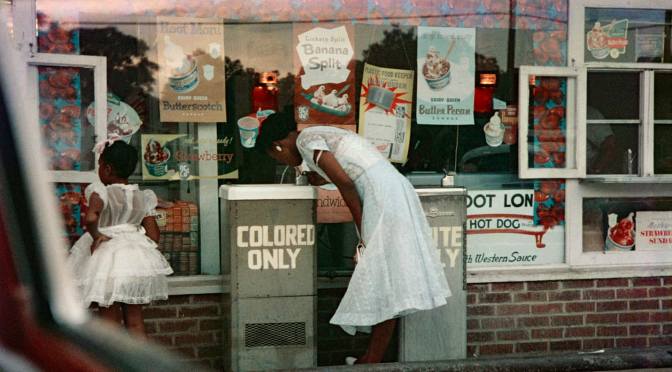
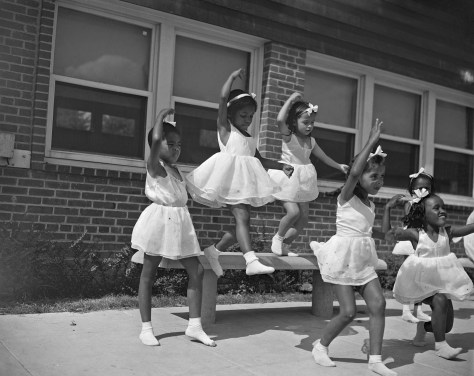
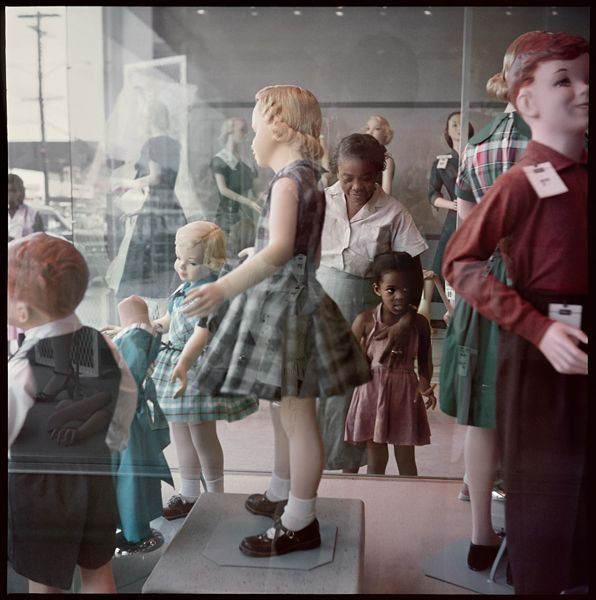
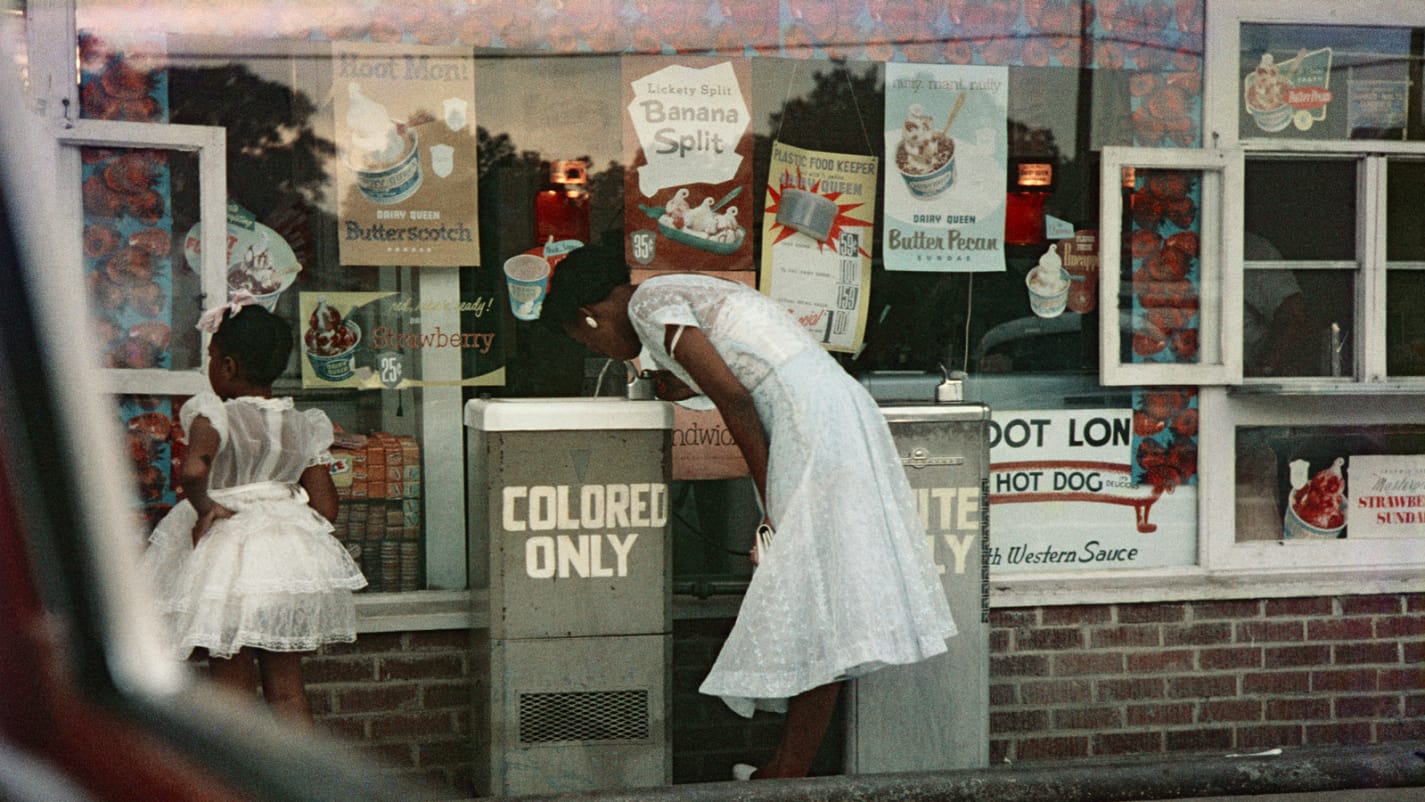
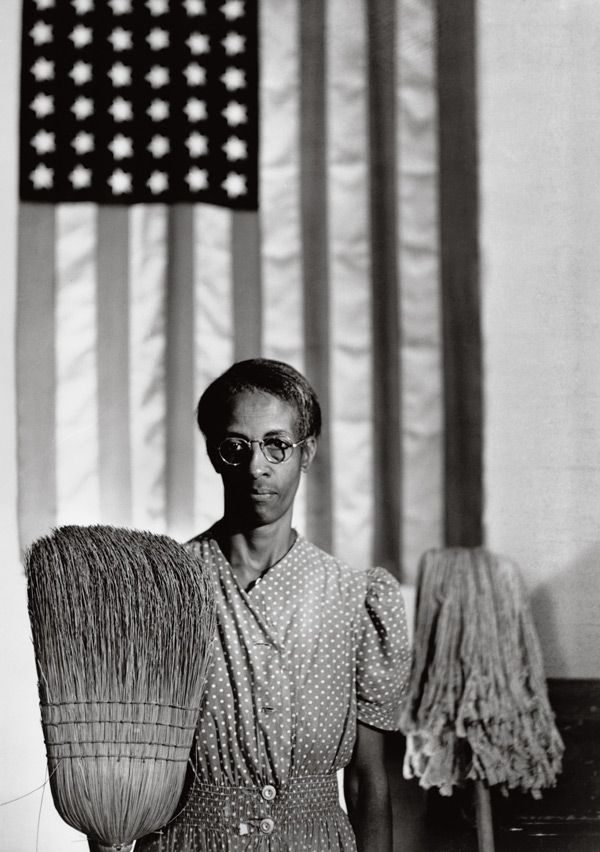
Gordon became an undeniable asset to the FSA in the middle of their campaign to win the hearts and minds of Americans for Roosevelt’s New Deal. Since many voting Americans didn’t know the plights of farmers, migrant workers and rural towns the New Deal was expected to help most, the FSA had been tasked with photographing that demographic sympathetically. Gordon was crucial in that effort. The extremely poverty-stricken (of all races) and people of color could allow themselves to be vulnerable to a black man who was himself already accustomed to being invisible. His photographs, including one of his most famous taken right in the offices of the FSA, were full of raw emotion and evocative scenery unlike any other captured during the mid-30s and 40s.

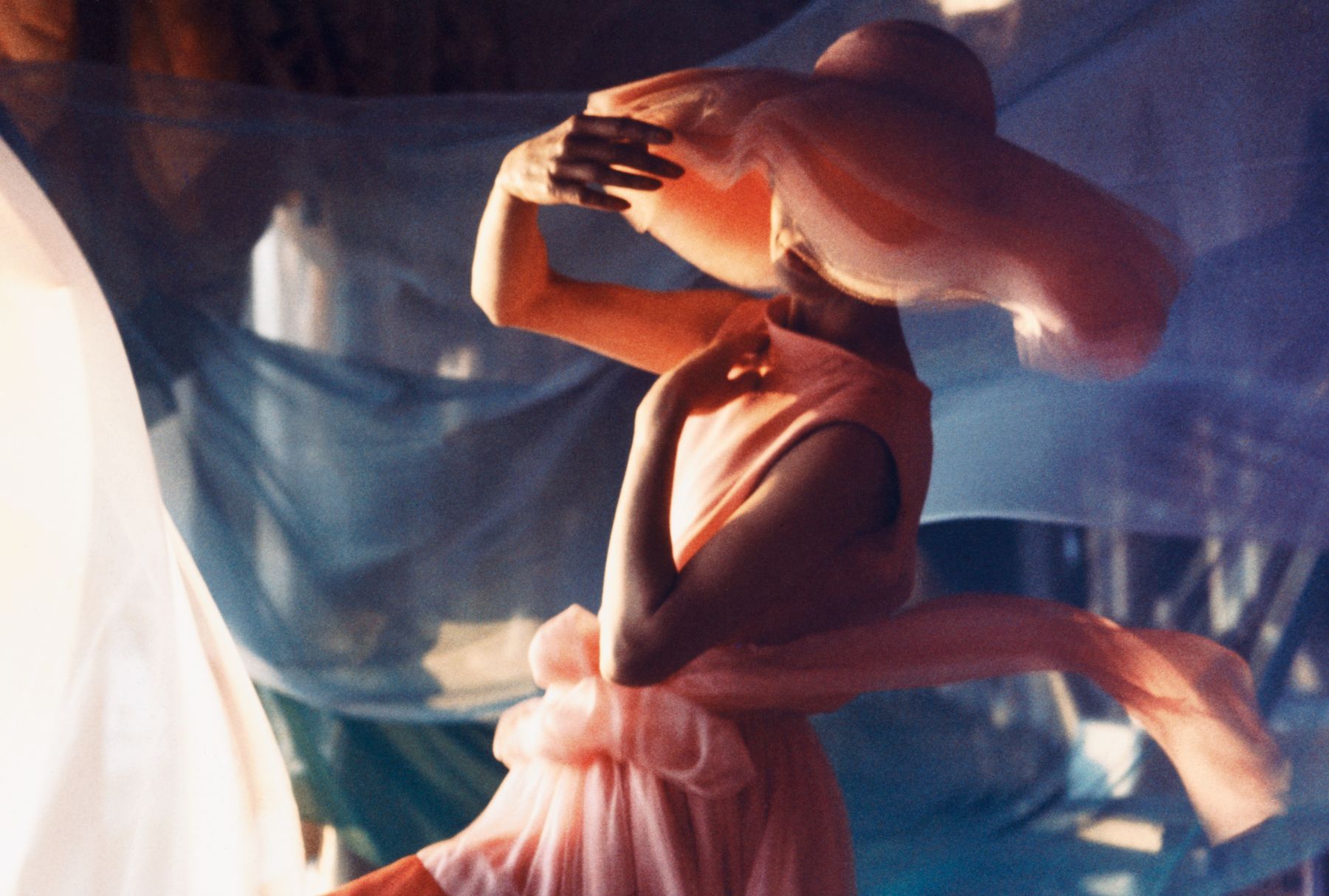
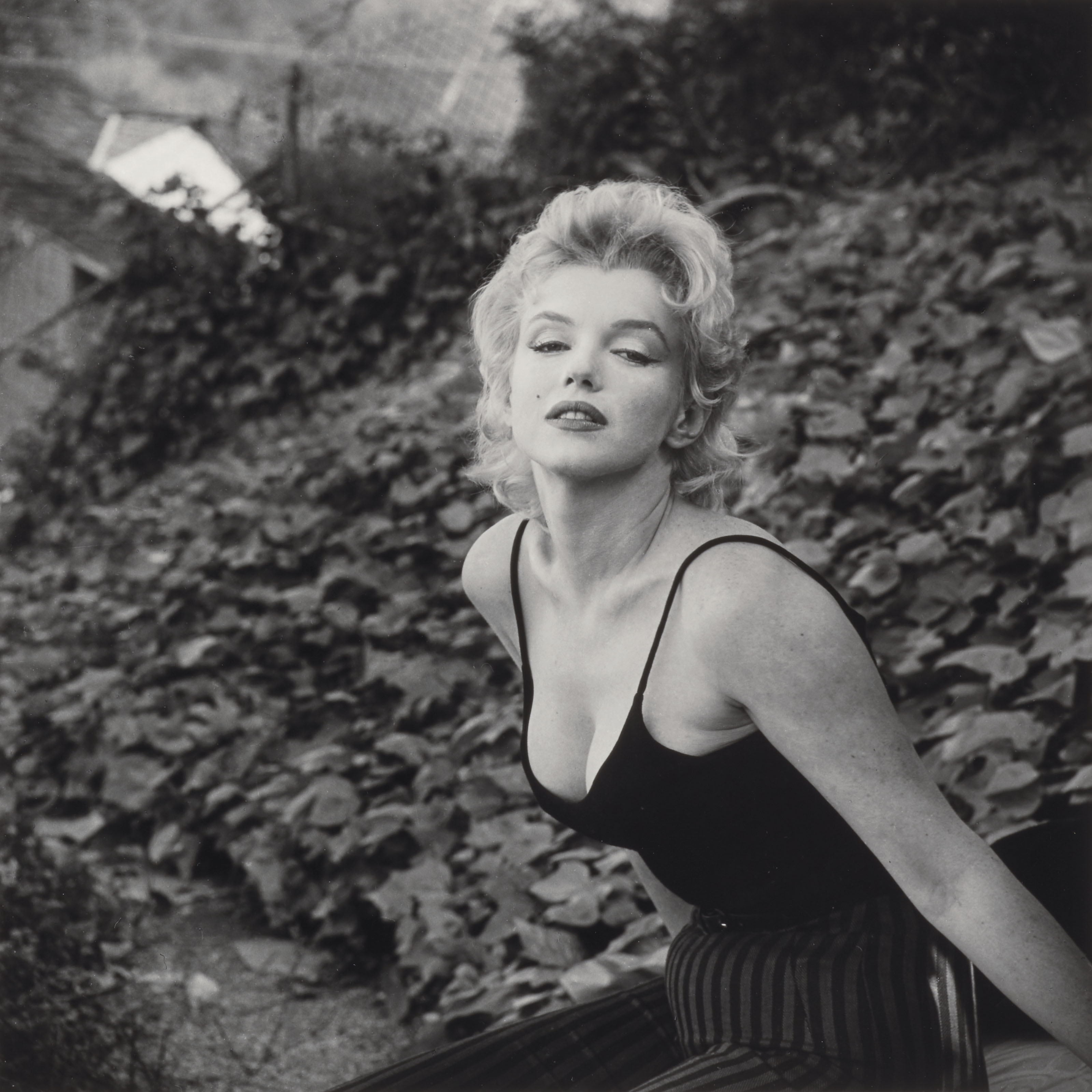
By then, his humanizing eye had gained a following of its own beyond the public sector, and when Gordon finally hung up his government service hat in 1943, he relocated to Harlem, where a very famous name was waiting for his services next: Vogue Magazine. At a time when some black American men were still being lynched for looking at white women, one of the world’s most recognized fashion publications sought out Gordon’s gaze as their first black photographer.

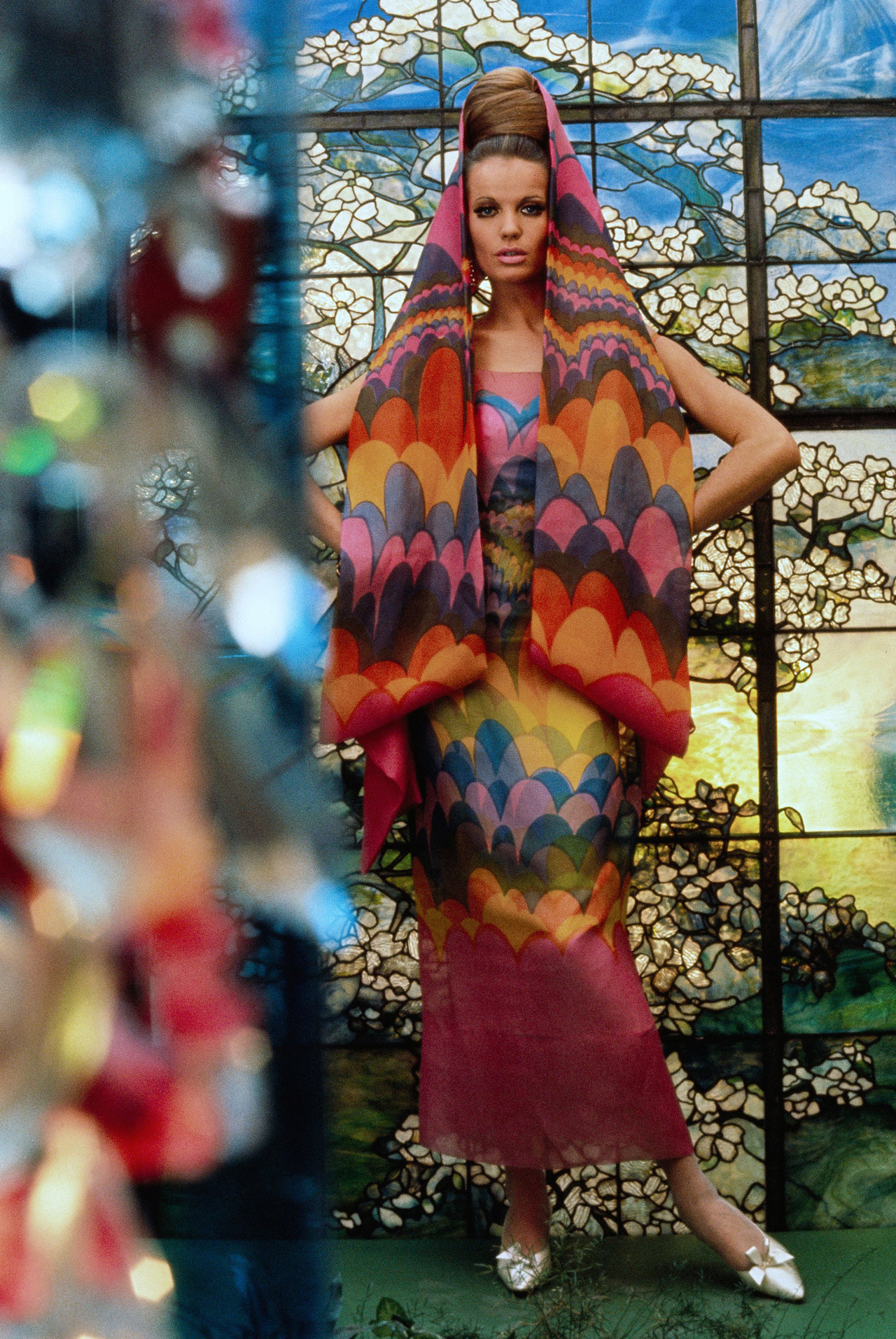
With fashion came with its own vast new world of photographic techniques, settings and points of view. Gordon dominated them all. But for a photographer used to shooting portraits and candids, fashion photography came with its own challenges. Namely, models. Their over-posing and intense awareness of the camera didn’t fit his vision of how real women wanted to see fashion, and though he’d spent 5 years delighting Vogue’s readers with his fresh new approach, when LIFE Magazine came calling next, he quickly answered, becoming their first black photographer as well.

It wasn’t all roses for Gordon though. His willingness to work for white-owned publications made him an outcast in some black communities, and a still racist society meant there were no protections for him, neither in-office nor on assignment. But navigating extremes was nothing new for Gordon, who’d seen some of the best and worst life had to offer before he’d even turned 40. “The pictures that have most persistently confronted my camera have been those of crime, racism and poverty. I was cut through by the jagged edges of all three. Yet I remain aware of imagery that lends itself to serenity and beauty, and here my camera has searched for nature’s evanescent splendors,” Gordon mused.

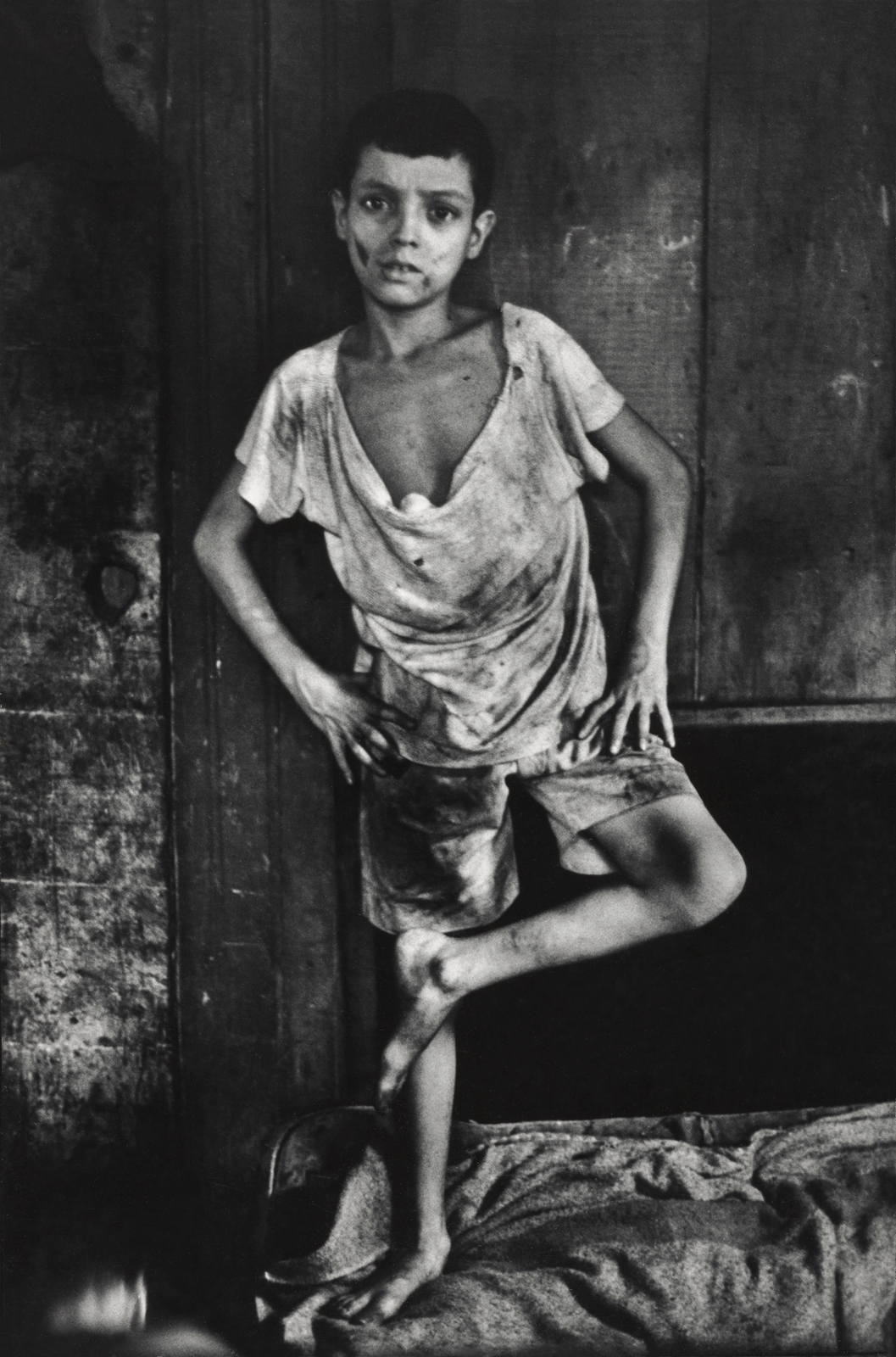
Flavio da Silva, 1961

And for the next 20+ years, LIFE made the most of his vast wellspring of talent, access, and life experience, sending him on assignments that included the Black Panthers and Harlem gangs, celebrities, Parisian life, and even the slums of Rio de Janeiro, where he quite possibly launched the world’s first Kickstarter. When LIFE published his 1961 photo-documentary of a sick little boy named Flavio and the struggle his family faced in Brazil, the magazine’s readers spontaneously donated over $30,000 for the boy’s medical treatment in the States as well as a new home for his family. There were few clearer examples of the weapon he’d formed against poverty and racism doing its work to breaking barriers.

But Gordon had so much more to do. By 1962, he was writing books. By 1968, he was producing his own movies. And finally, by 1971, “Shaft,” his blueprint for the blaxploitation movie, made him the first black man to release a major motion picture, too. “Like souls touching… poetry, music, paint, and the camera keep calling, and I can’t bring myself to say no.”

By the time he died in 2006 at the age of 93, Gordon had won too many photography awards to count, 40 honorary doctorate degrees, the National Medal of Arts, the NAACP’s Spingarn Medal, and hundreds more. But even more significant are the millions of photographs, 12 films written or directed, 12 books and countless other artworks by a man who showed American society how much more of its beauty is visible when seen through a darker lens.


KEEP GOING BLACK IN HISTORY:

Browse the archives spanning Gordon’s years and genres of work.

Read Gordon’s compelling life story in his New York Times’ obituary.

See Gordon Parks’ images brought to life in Kendrick Lamar’s “Element” video.

DAY 16 — James Van Der Zee

James Van Der Zee - The All-Seeing Eye of Harlem

James Van Der Zee was a master of composition, but his most brilliant works were created not behind his violin or piano, but through the lens of his camera.

When he made his way to Harlem in 1906, it wasn’t his first time. He’d visited often from his small hometown in Massachusetts, and marveled at the pictures he’d taken in the big city since he was 14, honing his eye along the way.

A couple enters James Van Der Zee’s 135th Street brownstone basement GGG Photo Studio in Harlem.

But photography couldn’t pay the bills, and surprisingly enough, his skill as a musician could, so he created and subsequently packed theater houses with the Harlem Orchestra. He even performed with jazz icons, but still his eye wandered back to the camera. Having regularly worked small jobs between music gigs, it was no surprise when in 1915, he landed one as a darkroom assistant whose skill was proven so quickly that he was promoted to portraitist within a year, and opened his own studio on 135th Street within two.

Jean-Michel Basquiat, and his cat.

His talent couldn’t have come to fruition at a more fortuitous time for both James and the residents of Harlem. With the start of the Harlem Renaissance around 1918, black art, literature and culture was gaining international recognition, and being celebrated within black communities on its own merits and for its success in the mainstream. Black photographers were included in this praise, and also key to capturing the social, economic, and personal benefits that many black people were enjoying for the first time in America. In James’s studio, some of the most meaningful moments in everyday black lives and in all of black history were captured on film. Baby pictures, young newlyweds, funerals, civic groups and iconic portraits of black leaders and celebrities were all included in his exquisite body of work which spanned until 1982, nearly right up until his death a year later at the age of 96.

But his photographs are so much more than the sum of their parts. He didn’t just capture a black middle-class in the height of their recognition by a society that had previously enslaved them. At the start of his professional career, he made it a point to sign, date and number each of his photographs. Such care for his craft and attention to detail meant that when his work was discovered in 1967 by a researcher for The New York Metropolitan Museum of Art, his then 75,000 photographs became one of the most fully verifiable and extensive archives of black life since slave records. Because marriage/birth records and the ability to freely own property weren’t available to black people until in some cases well after the Civil War ended in 1865, further proof of our generations, personal wealth and especially a positive visual record of both beyond often sparse government and media documentation was tremendous to the culture and to the further preservation of our place in America’s past.

As a black man positioned behind a camera during one of the most significant eras of black history, James was able to show the whole world an entirely novel perspective on his subjects, no matter their status or the gravity of the occasion. When asked why and how he created such ethereal and regal images, he remarked “I wanted to make the camera take what I thought should be there.” What James Van Der Zee and his camera left behind was a legacy of black excellence.


KEEP GOING BLACK IN HISTORY:

James’ Metropolitan Museum of Art exhibit was accompanied by a catalogue of newspaper articles and curated images from Van Der Zee and other black photographers, available here.