DAY 4 — Drs. Vince & Vance Moss

Moss.jpg

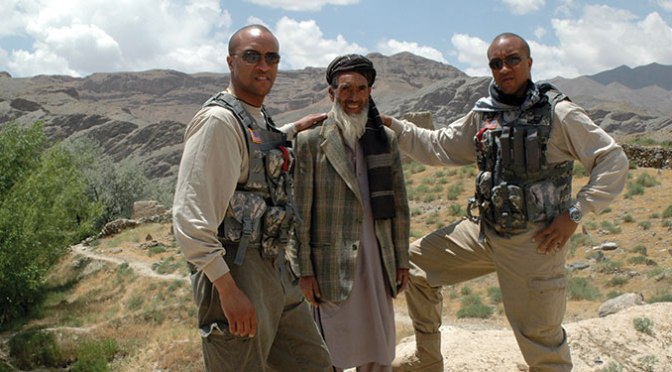
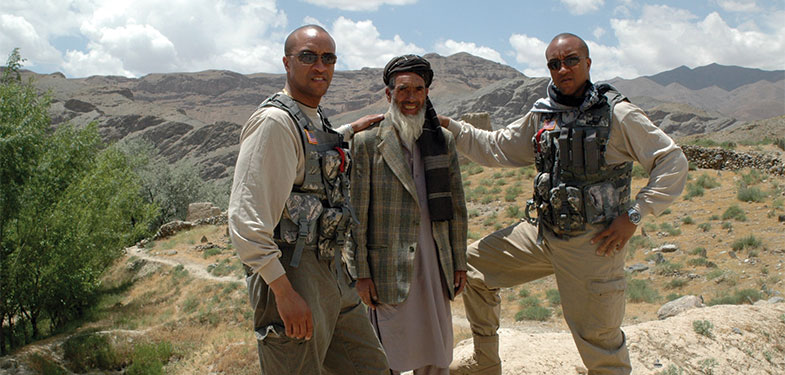
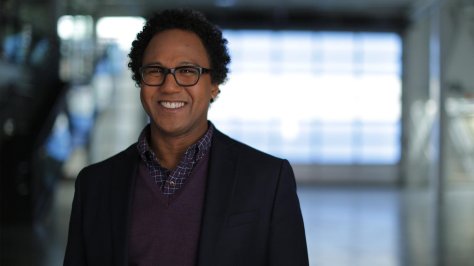
Vance & Vincent Moss are twins. And surgeons. And heroes.

Back in 2006, when they were treating injured veterans at Ft. Bliss and Ft. Jackson as part of their duties in the U.S. Army Reserves Medical Corps, the vets told them stories of how the people who really needed help were the innocent Afghani civilians who’d been injured too, but had no sufficient medical services or facilities. The women & children were in especially dire need.

The brothers went to Army leadership to make a special request to provide their services in treating those civilians, but while the Army supported them, it couldn’t send them in an official capacity. So the brothers hired their own intelligence and security, bought their own medical supplies, chartered their own plane and went.

In between their duties in the Reserves and their joint practice at home as a urology specialist & kidney transplant surgeon (Vince) and a cardiothoracic surgeon (Vance), they’ve treated well over 6,000 Afghanis and performed surgery on 2,000 of them. Their service has been emotional and dangerous, putting them and their patients in dangerous situations – they’ve been robbed, they’ve negotiated with drug lords, and operated in caves, but they’re currently planning another trip to provide free care to anyone who needs them and anyone they can reach. Their rapport with the locals in the regions they serve has allowed them access to places that Army forces couldn’t go themselves.

In recognition of their service that’s included several active duty tours in Operation Enduring Freedom, the brothers have been promoted to Major and received the Army Commendation Medal for distinguishing themselves through heroism, meritorious achievement or meritorious service.


KEEP GOING BLACK IN HISTORY:

DAY 3 — Jackie Ormes

Jackie Ormes - Cartoonist

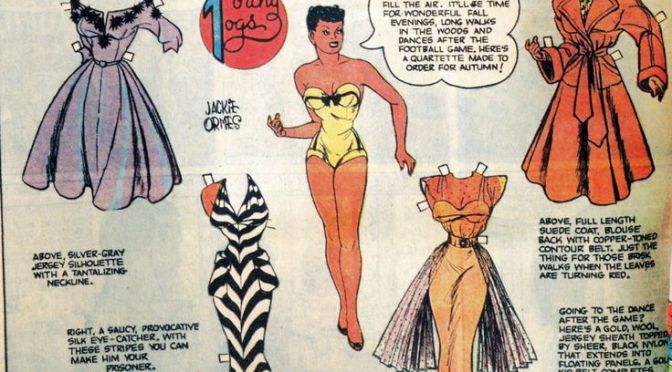
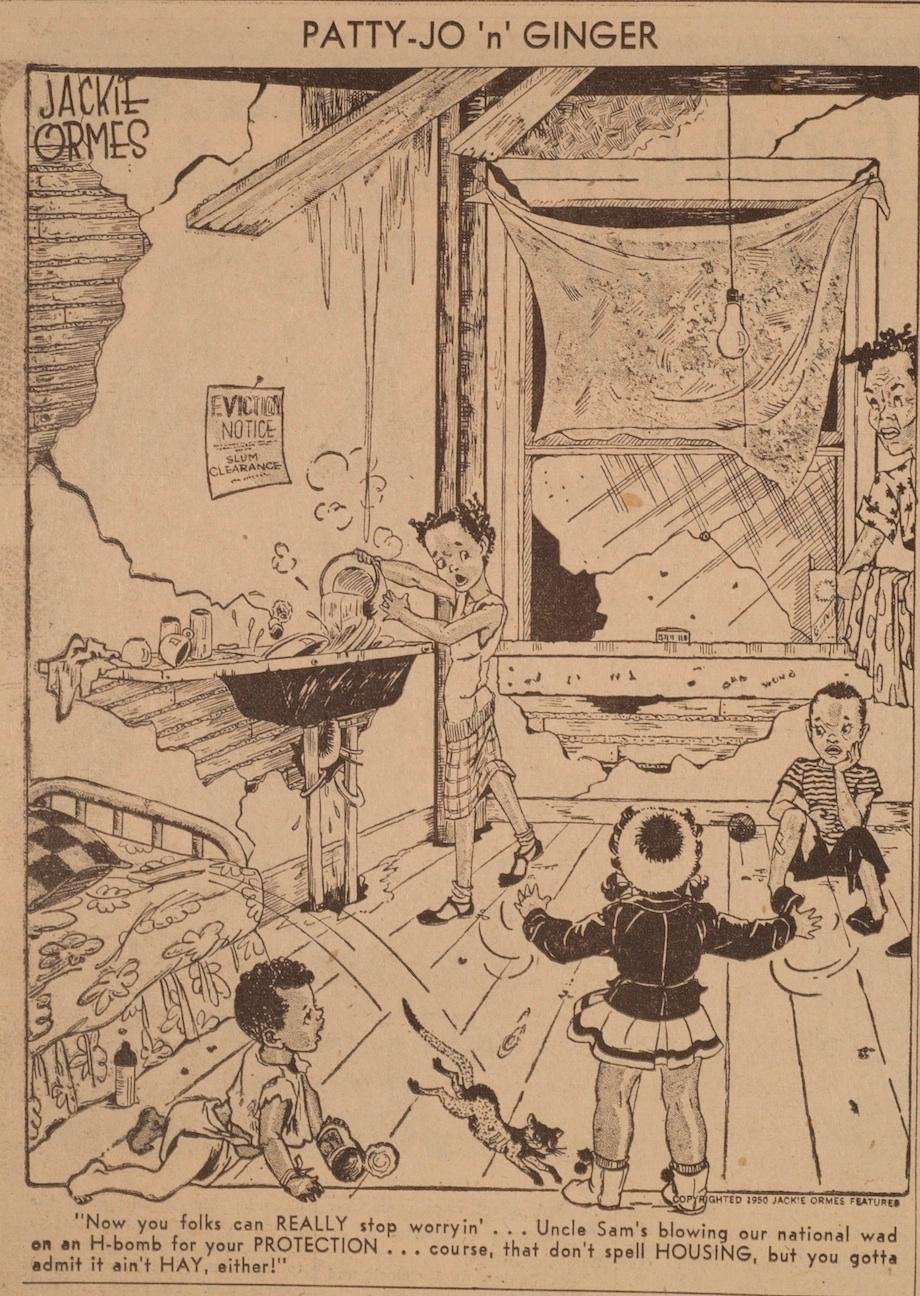
Zelda “Jackie” Ormes was the first black woman to become a professional cartoonist.

In 1937’s America, her cartoons boldly challenged stereotypes of women & black people. Her initial comic, “Torchy Brown,” was the first depiction of an independent, single black woman in a syndicated comic strip AND the first syndicated comic strip drawn by a black woman. Her next comic, “Patty-Jo ‘n Ginger” fearlessly tackled racism, sexism, class, the environment, politics and other intersectional issues with humorous truth.

Torchy was later developed into a fashionable comic paper doll, and in 1947, Ormes created a Patty-Jo doll so that black girls could play with dolls that actually looked like them, instead of choosing between racist pickaninny dolls or white-skinned dolls.

The audacity of a liberal, black, educated, middle-class woman carrying herself with confidence in a white American society & depicting her characters in her own image, landed her squarely into the McCarthy Investigations and the FBI’s COINTELPRO program, both of which were disavowed but not without having caused irreparable damage to black America (see the FBI & CIA assassination attempts against MLK, see also Black Panthers).

In 1956, she retired from cartooning to become an advocate and volunteer in Chicago. After her death in 1985, the Ormes Society was created to promote the inclusion of black women in comics and animation, as well as that of black female characters in sequential art and cartoons. Jackie Ormes’ comics forever impacted the way black women appeared in pop culture & the way black girls learned to see themselves, and in 2014 she was posthumously inducted into the National Association of Black Journalists (NABJ) Hall of Fame for her pioneering work.


KEEP GOING BLACK IN HISTORY:
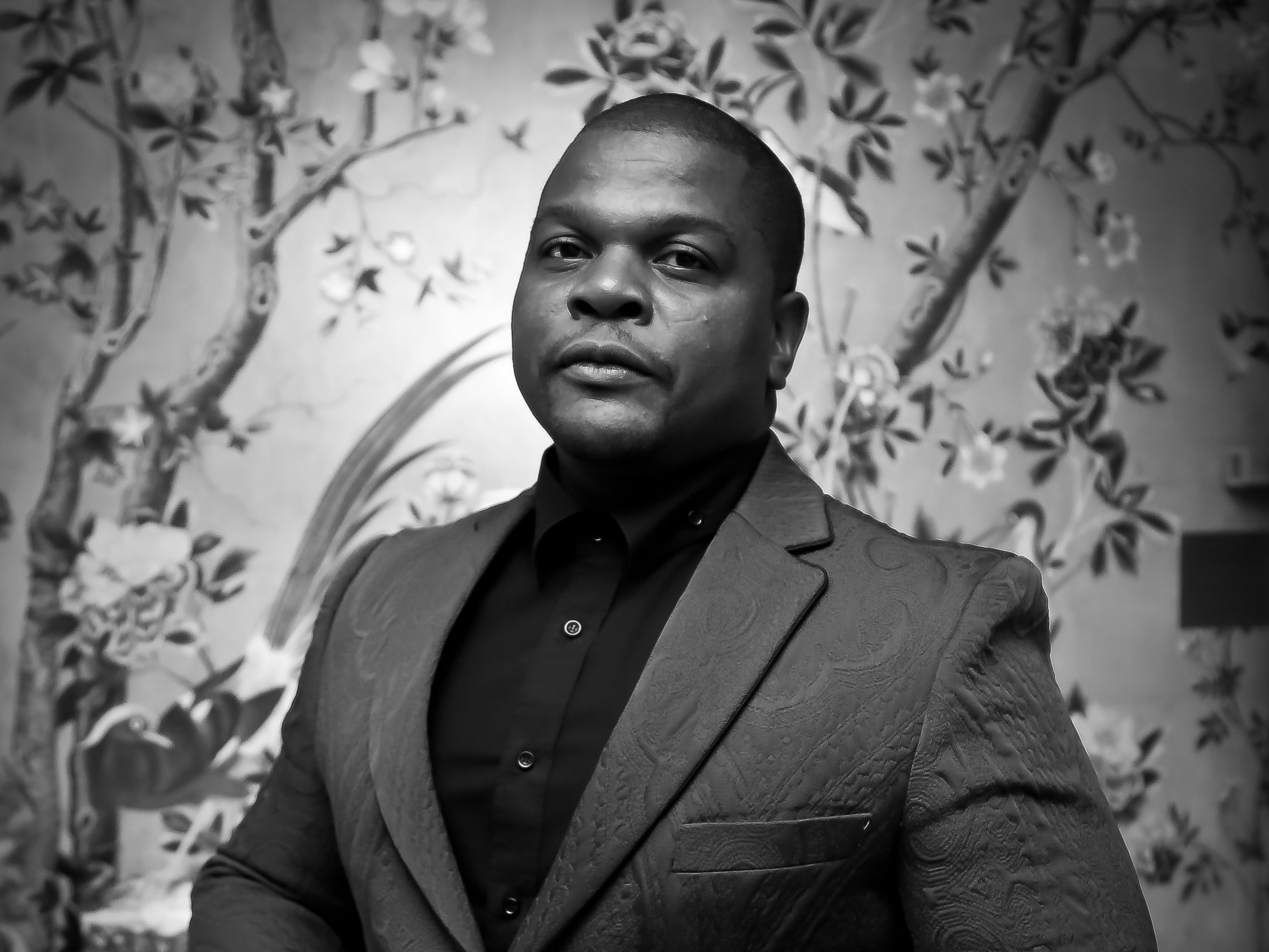
DAY 2 — Kehinde Wiley

Kehinde Wiley - Artist, painter, scupltor
Kehinde’s stained glass rendering of “Mary, Comforter of the Afflicted I” (2016).

Kehinde Wiley creates vibrant images of black & brown bodies in classical & religious scenes reminiscent of historical masterpieces. His work has been featured in exhibitions domestically and abroad, including his most recent at the Paris Museum of Fine Arts.

And in Lucious’ office in Fox’s Empire. 😂

“Bound” – 6 ft. bronze sculpture (2014)

He writes, “I loved when I walked into Los Angeles County Museum of Art as a kid and seeing Kerry James Marshall’s grand barbershop painting. But it was thrown into very sharp relief when thinking about the absence of other black images in that museum. There was something absolutely heroic and fascinating about being able to feel a certain relationship to the institution and the fact that these people happen to look like me on some level.”

He continues, “At its best, what art does is, it points to WHO we as human beings and WHAT we as human beings value. And if Black Lives Matter, they deserve to be in paintings.”

Kehinde’s “Princess Victoire of Saxe-Coburg-Gotha” (2012) vs. the painting of the same name by Edwin Landseer (1839)

KEEP GOING BLACK IN HISTORY:

Follow along with what’s keeping Kehinde busy these days on his Instagram.

DAY 1 — Diane Nash

Diane Nash.jpg

Diane Nash was a founding member of the Student Nonviolent Coordinating Committee (SNCC) and leader of the original “Rock Hill Nine” – nine students arrested for staging a sit-in at a lunch counter that refused service to black people. (She also led their continued civil disobedience in refusing to pay any fine or bail to an oppressive system.)

She said that she never saw Dr. King as her leader, but her equal, and was such a driving force in the Alabama Freedom Marches & Rides that when Assistant to the Attorney General John Seigenthaler called her personally to dissuade their participation, he described the conversation as such:

“I’m saying, ‘You’re going to get somebody killed.’ She said, ‘You don’t understand’ — and she’s right, I didn’t understand — ‘You don’t understand, we signed our wills last night.’ ”


KEEP GOING BLACK IN HISTORY:

Enjoy a brief Diane Nash bio, narrated by the illustrious Angela Bassett.