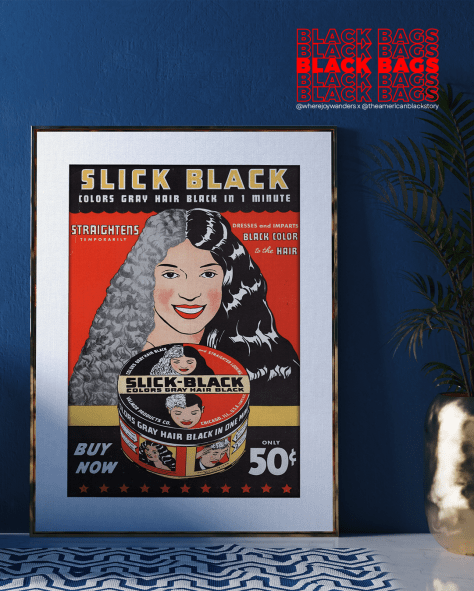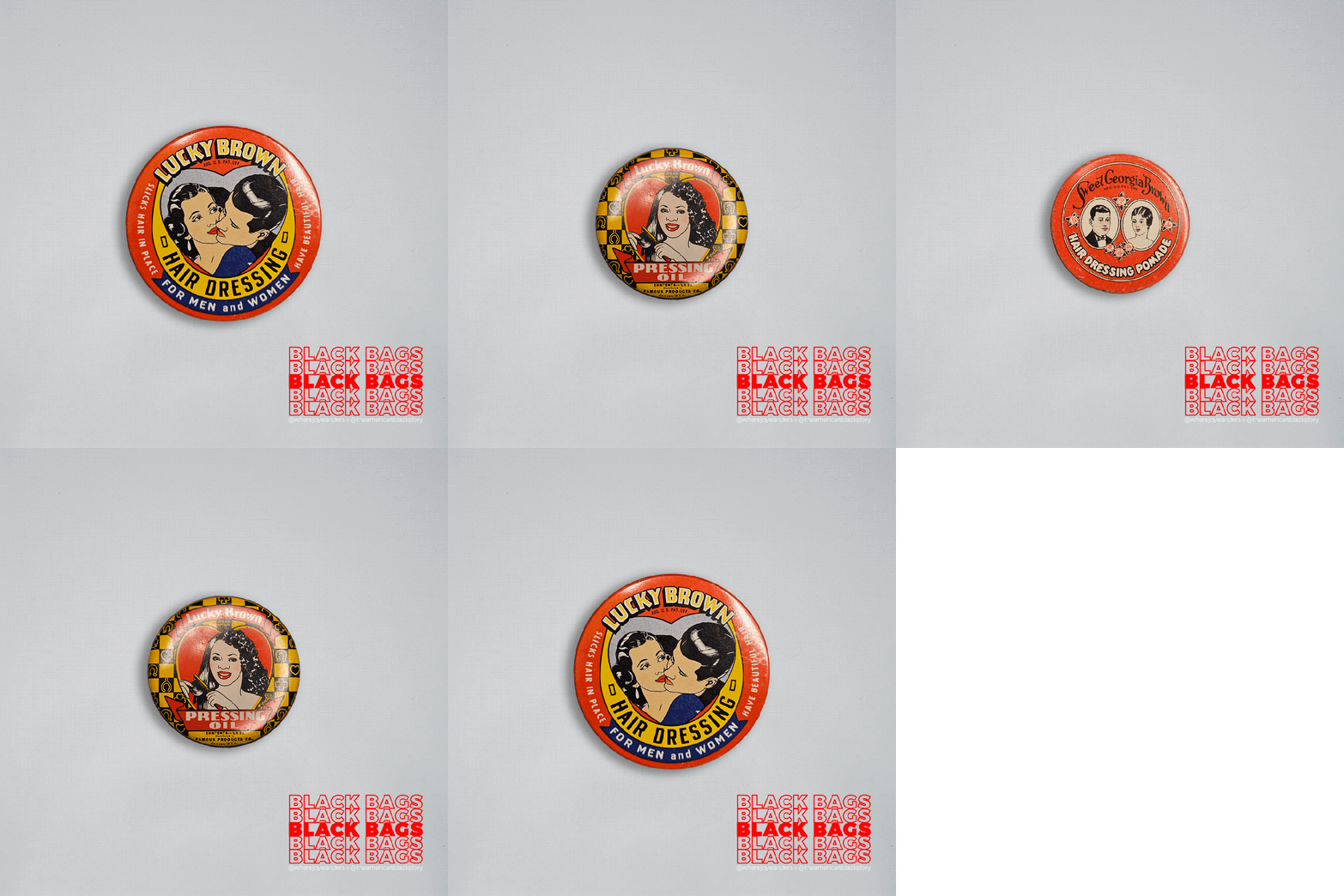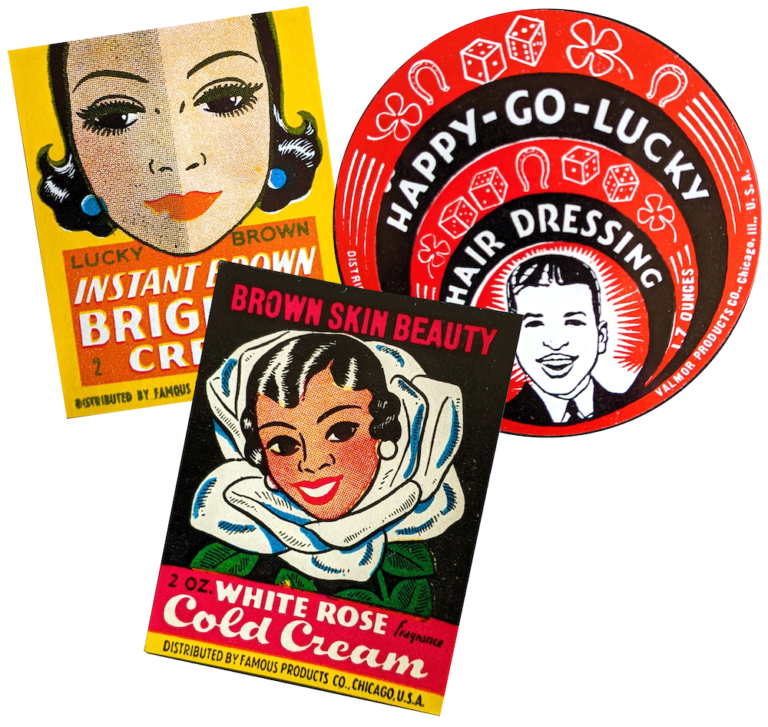
BLACK BAGS, Vol. 2 — just add honey

Atlanta’s full of Black legacies & landmarks.

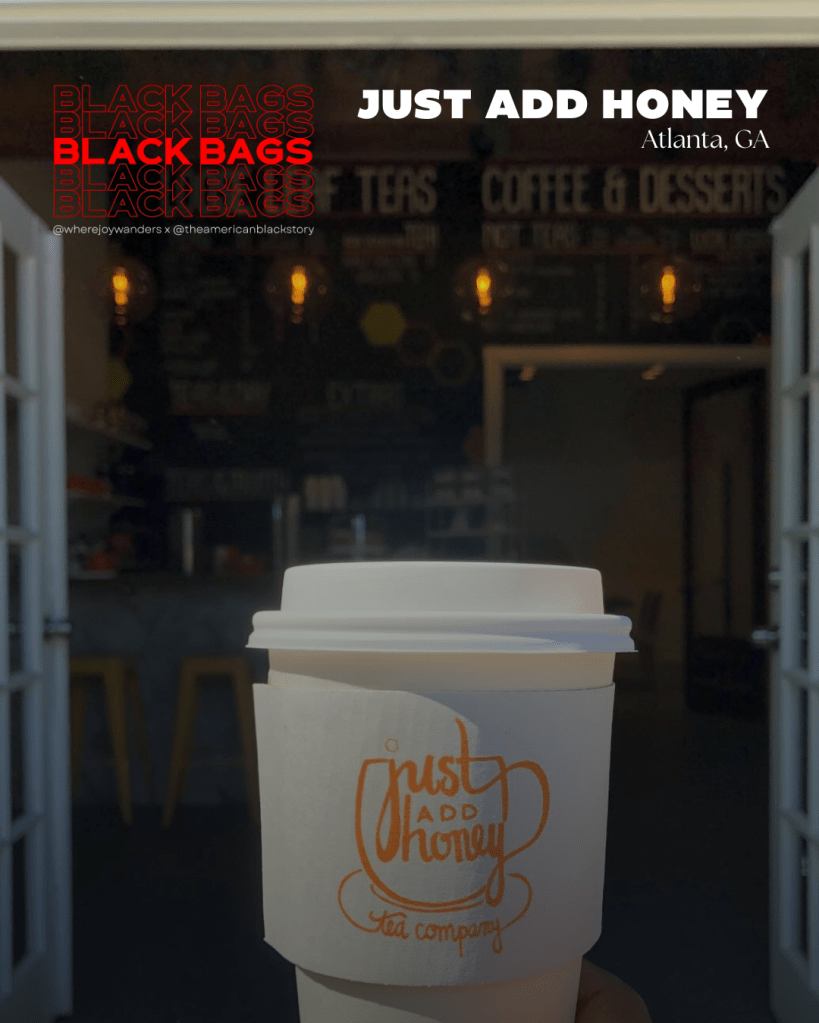
It’s also home to my favorite place to indulge in a tradition that’s been almost entirely erased.

But it’s not exclusive to Atlanta.

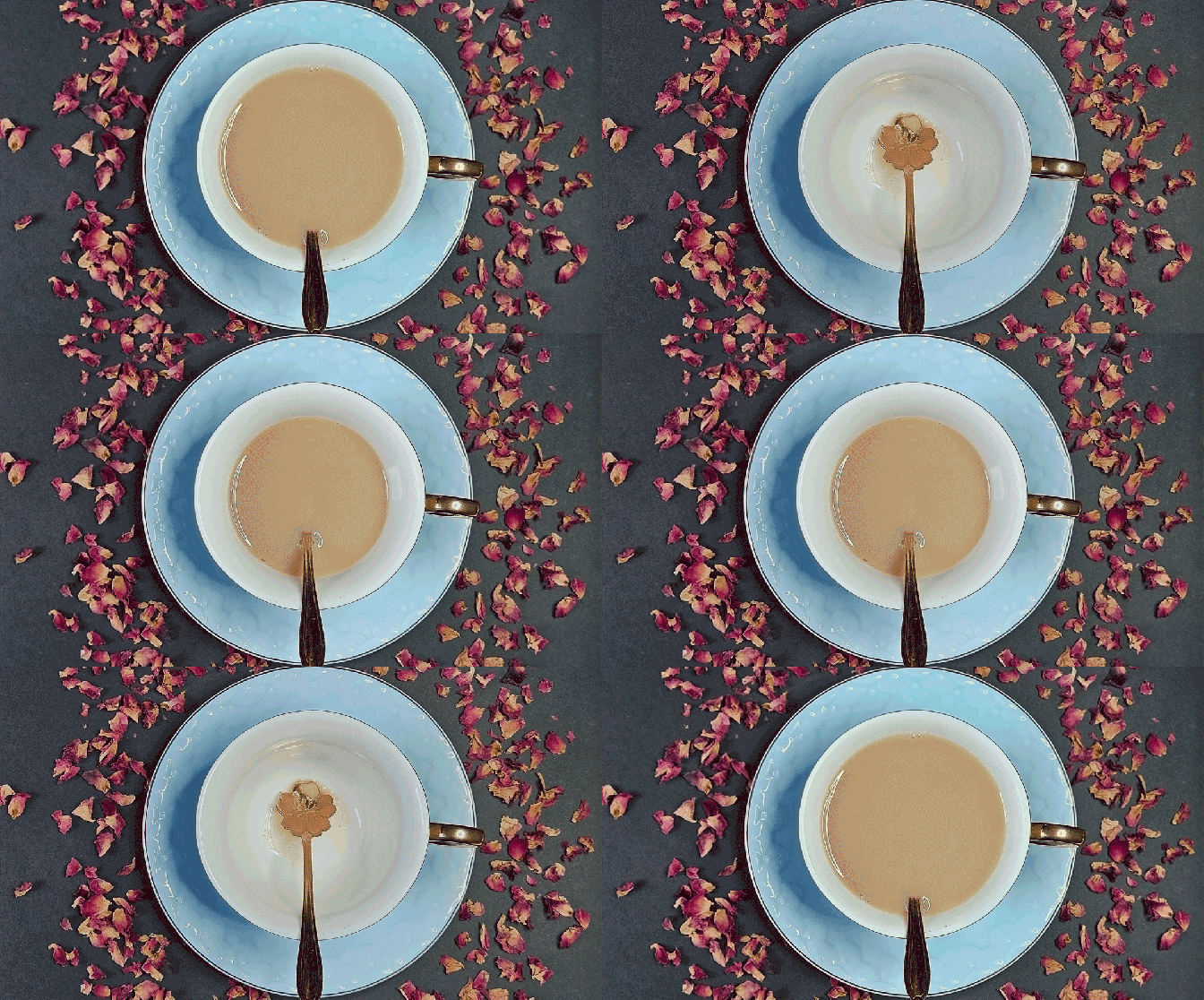
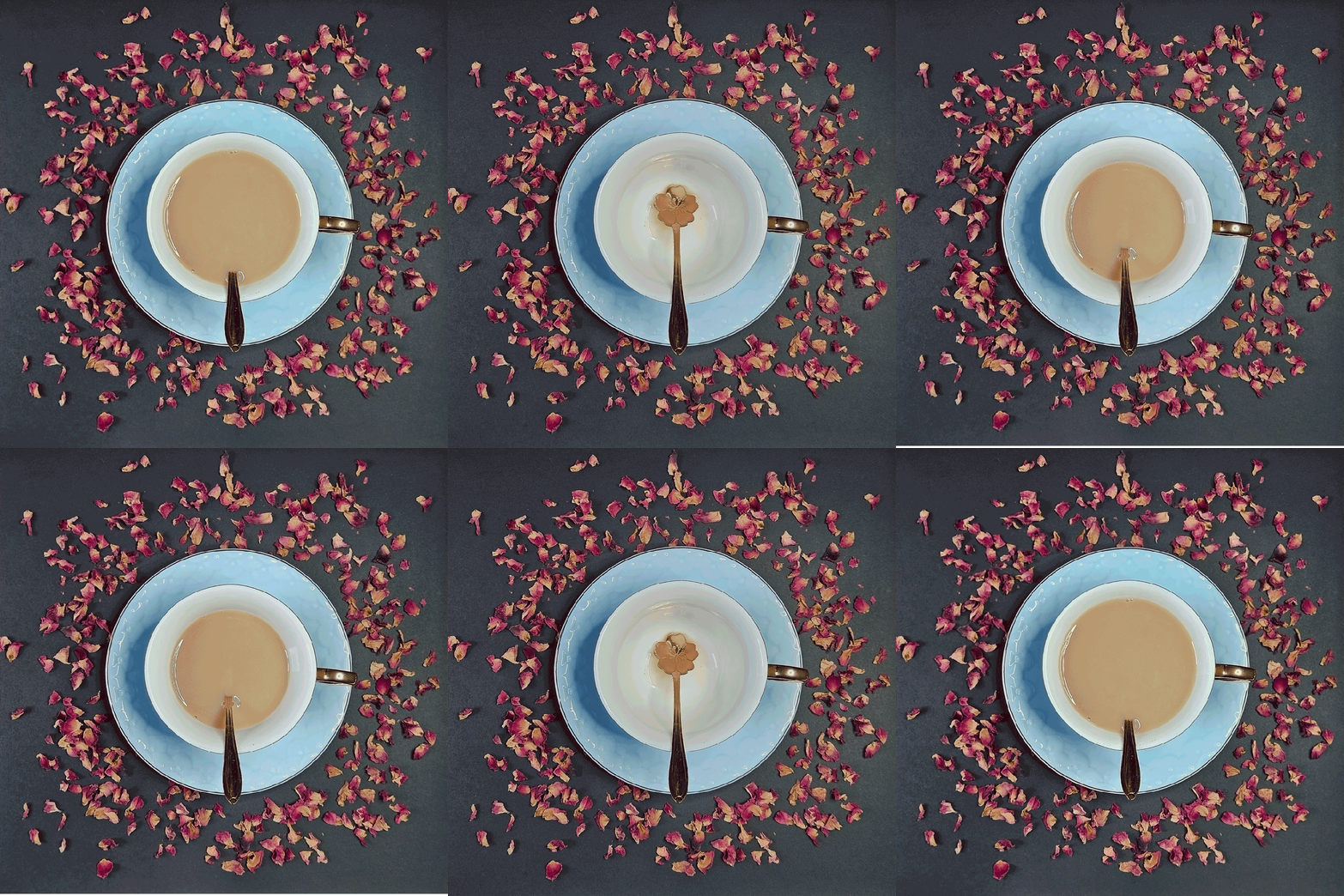
It fits in a teacup.

So, how is tea Black History when the only drink more common is water? (And maybe Coca-Cola?)

It’s community. Comfort. Contemplation.

It’s all the things enslaved Black people were forbidden.

But today, the husband/wife duo at @justaddhoney are reclaiming all of that.

Their tea room, steps from the Eastern Beltline, is only 7 years old, but there’s centuries of subversion behind it.

I didn’t know that when I stepped in or out with my very first cup and bag.

MOST people don’t because like so many Black traditions, this one grew in secret.

All that remains of it are stories handed down by a few surviving families, a handful of objects, and the businesses born from its legacy.

Every February 15th, after the enslavers’ lavish Valentine’s events, Black Americans held their own tea parties.

But they weren’t allowed to gather en masse so invitations took clever shape.

While the ladies prepared to host, the men visited neighboring houses to “borrow a tea cup.”

One-by-one, guests arrived with their plantation china hand-me-downs for a simple pleasure nearly everyone else in the world freely enjoyed.

But even “freedom” didn’t mean moving freely.

Between southern slave patrols and Jim Crow laws, there was no safer place to meet, whether with white abolitionists or each other, than over an intimate cup of civilization.

And when the Black church became a pillar for the Civil Rights Movement, it wasn’t the only service turned strategy.

Segregated tea rooms transformed a practice once secret by necessity into a public revenue stream for Black women, America’s first working experts in the household arts.

Tea’s significantly shaped every corner of the world we live in.

But after today, I’m certain your next cup hits just a little differently, especially filled by people whose ancestors always tasted its power.

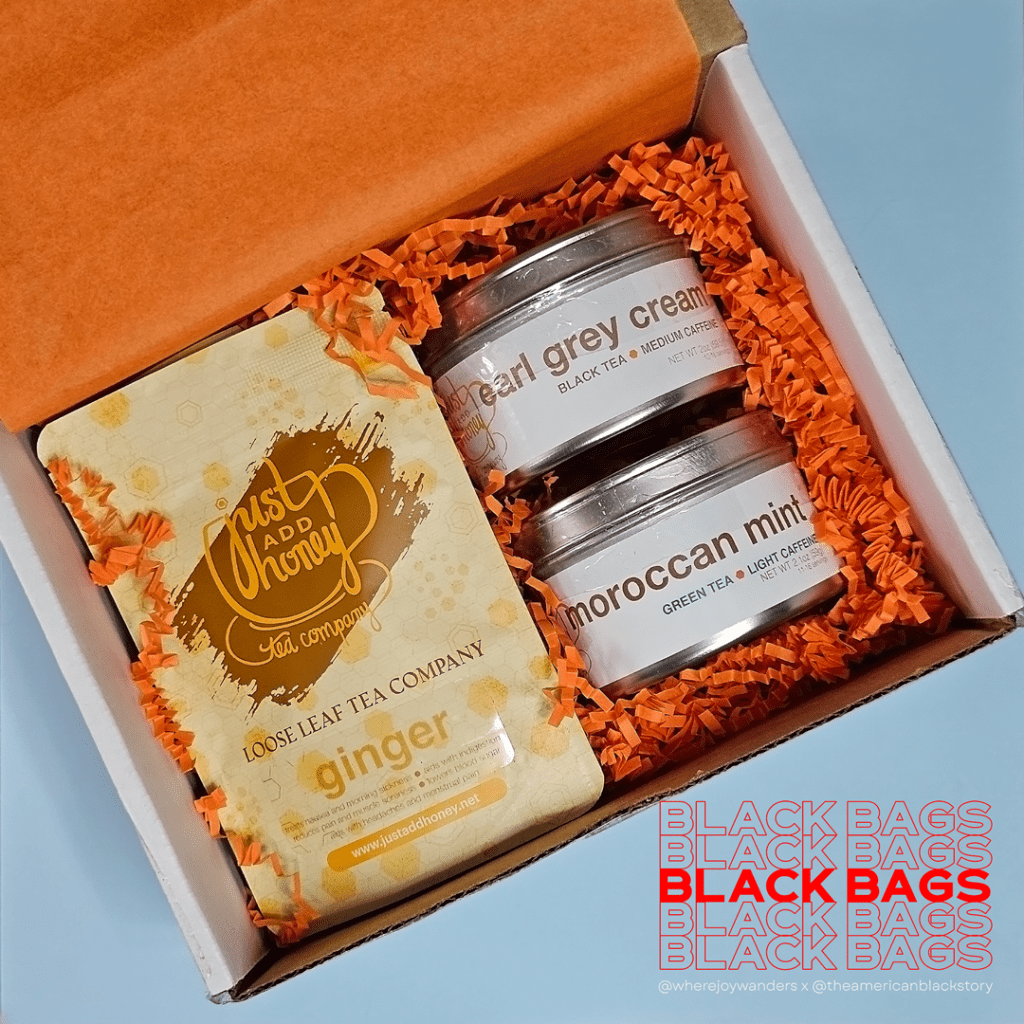
Black History’s served in all sorts of varieties at justaddhoney.net. 🖤


BLACK BAGS, Vol. 1 — DENIM TEARS | SUPPLEMENTAL

Look closely in my “Black Bags” posts and you’ll find the occasional Easter egg.

This might be my favorite of them.

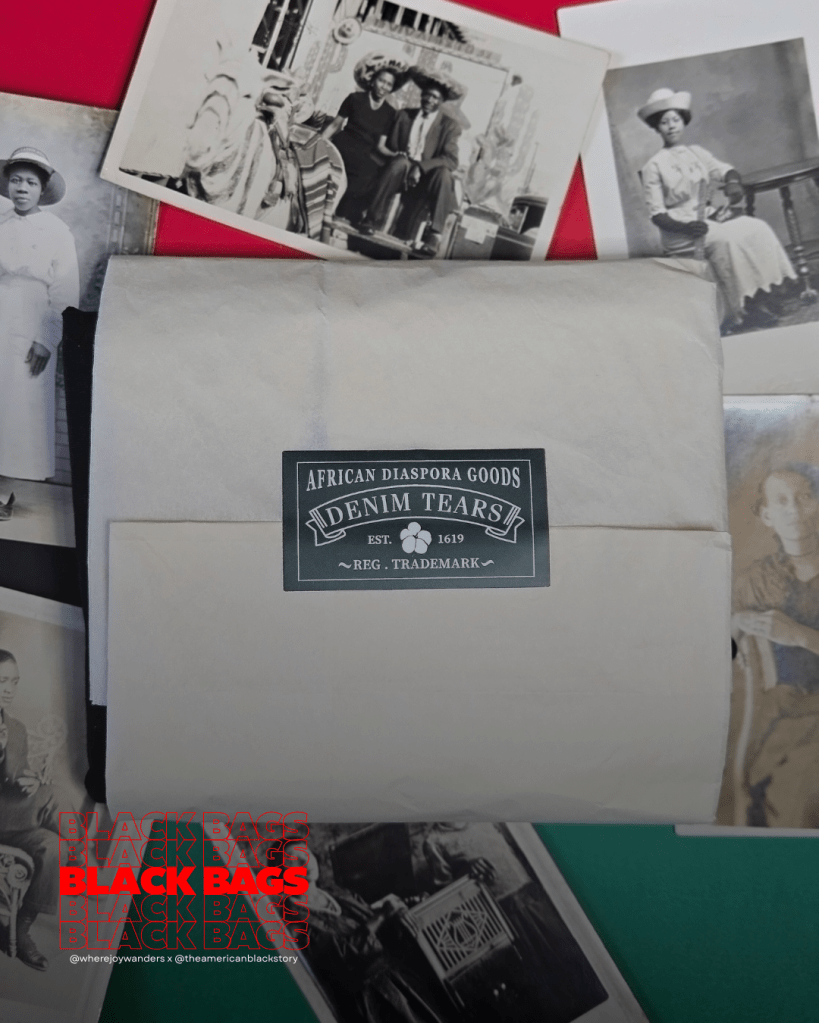
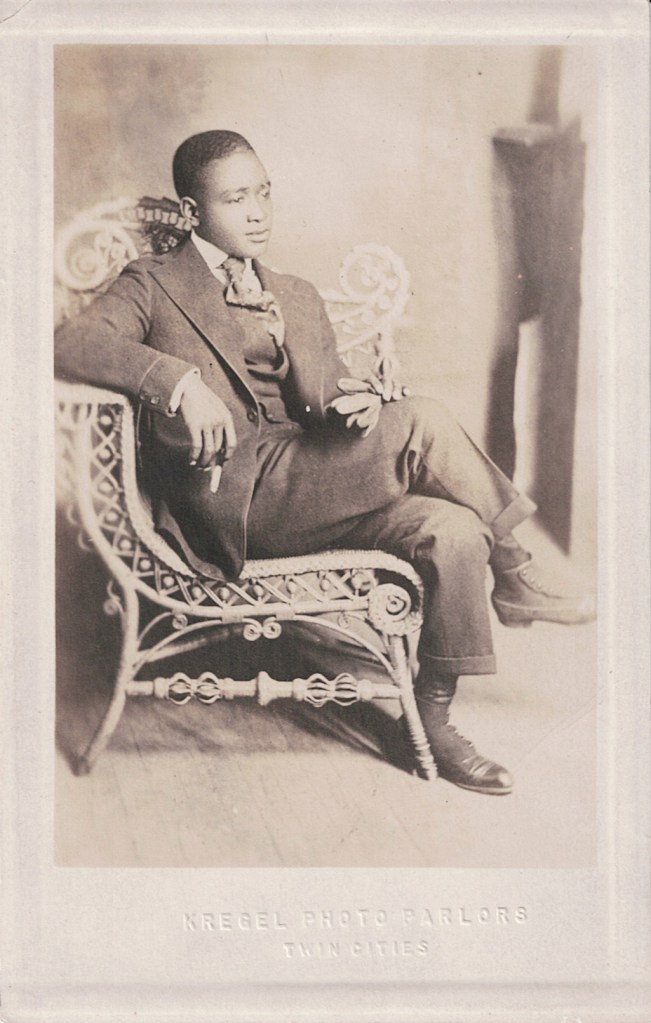
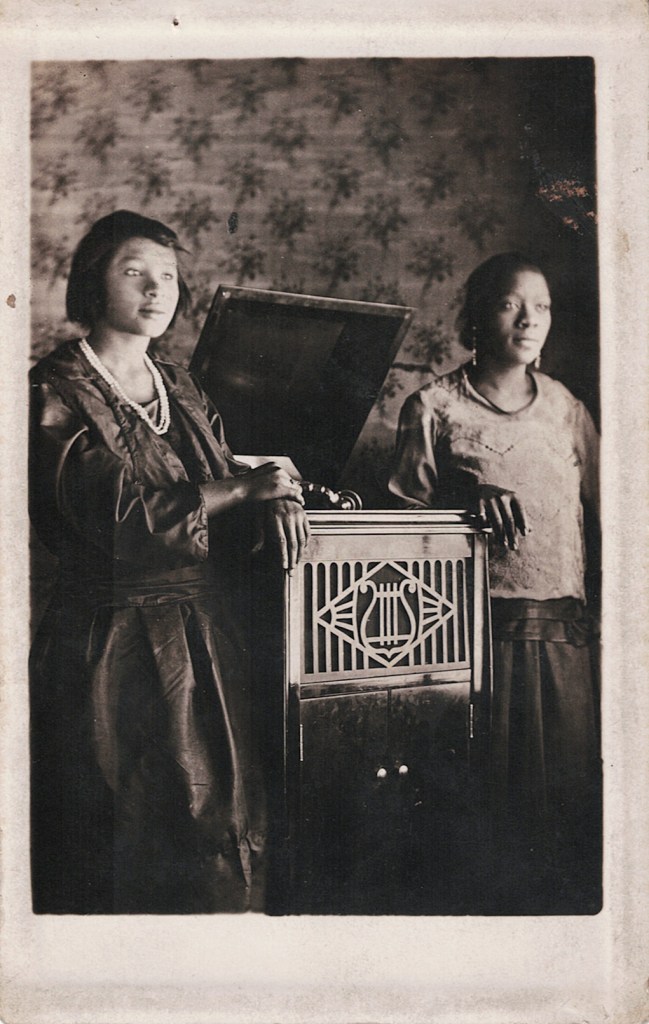
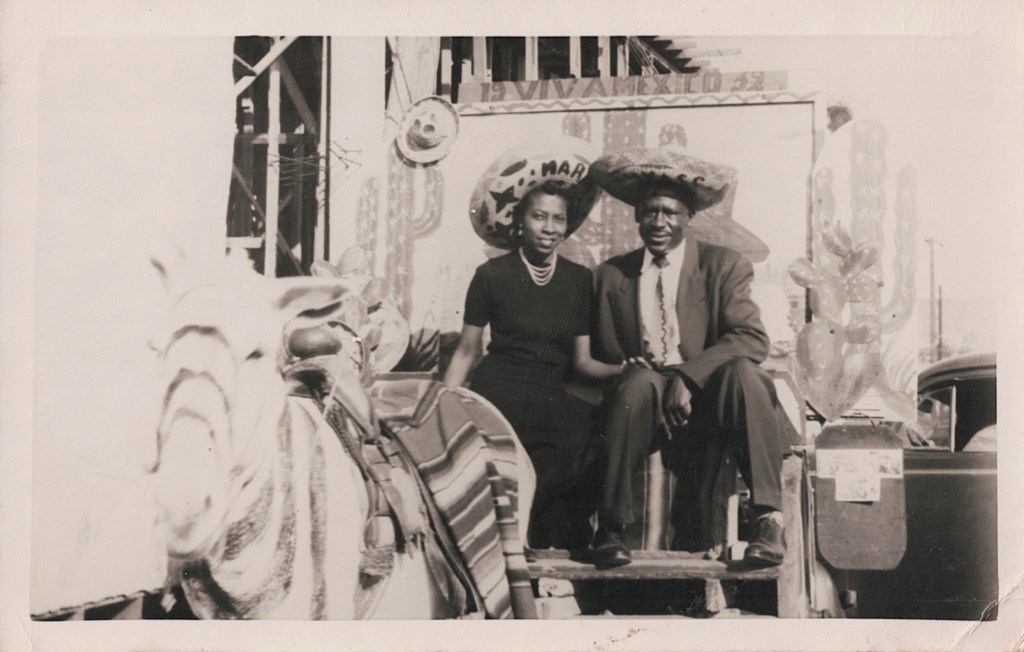
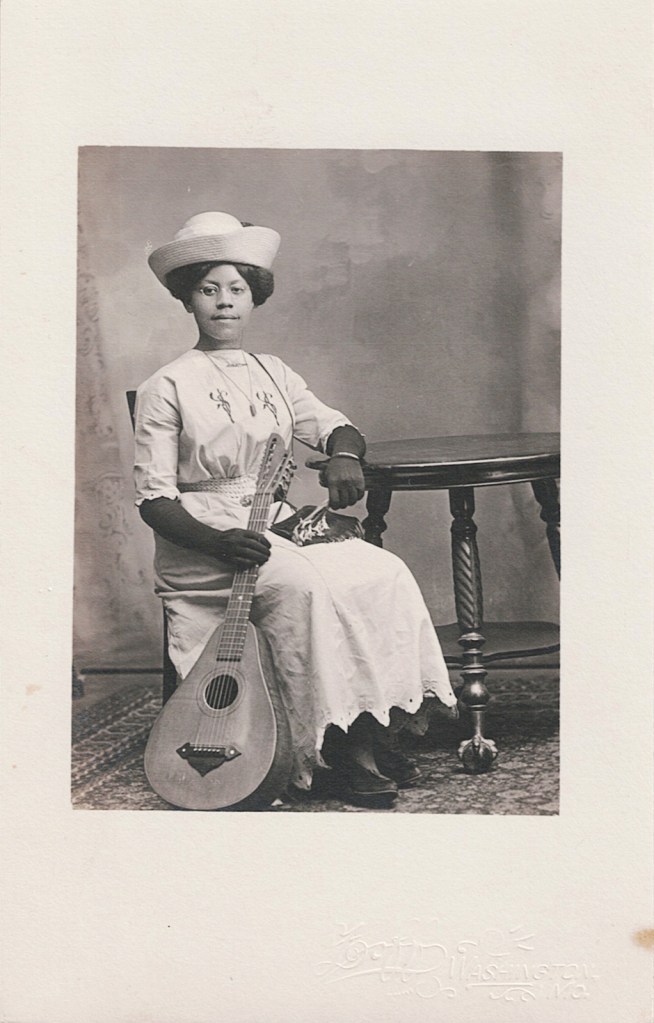
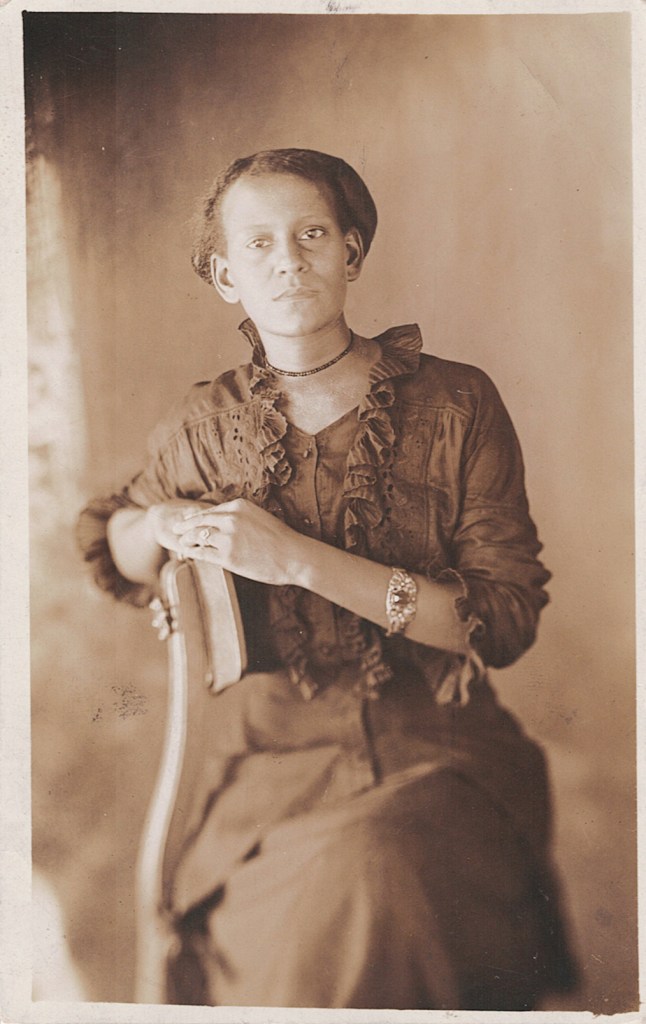
In my last post, peeking from behind my neatly wrapped @denimtears parcel, very real postcard photographs—some even embossed with the studio’s logo—have stories of their own.

These are the faces of the Met Museum’s Superfine exhibit and Denim Tears, hidden behind the veil of American History.

An immaculate gentleman, fitted even to the buttons on his heeled shoes.

Sisters in satin and lace, gazing from a beautiful Victrola.

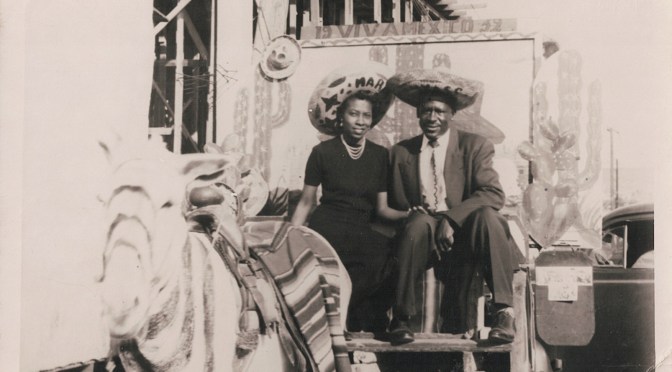
Lovers—maybe even honeymooners?—riding a donkey cart in Mexico.

A bespectacled musician accessorized with elbow-length gloves, perhaps to hide the wear to her hands?

A woman dressed all in black, whose ruffled lace waistcoat is only outdone by the exquisite jeweled bracelet and ring on her hands.

Photographs of Black people from days past already seem rare.

Photographs of them dressed in and surrounded by such luxury feel priceless.

But these five only scratch the surface of my collection.

And Superfine, hosted in the Met Museum’s premier gallery, only housed a fraction of the finery owned, made and inspired by Black Americans.

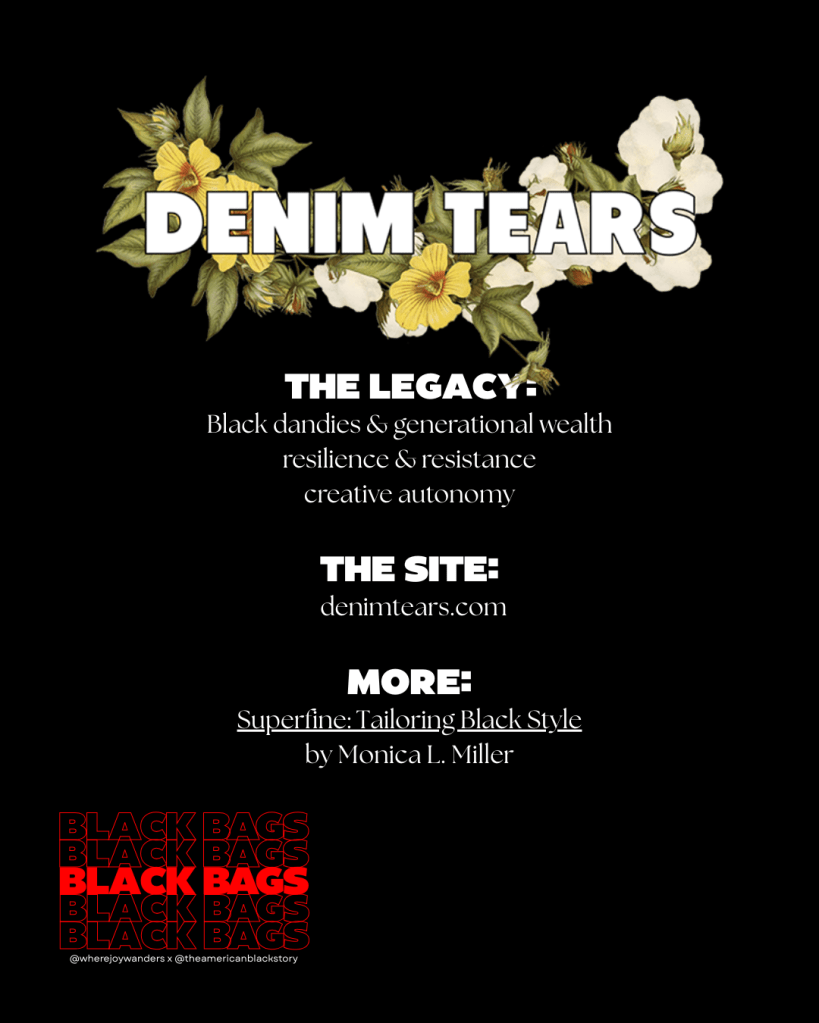
Denim Tears is their legacy.

And all three—the photographs, the exhibit, and the brand—bear witness that creative, adventurous, romantic, bespoke, affluent, and deserving have never been synonymous with “white.”


KEEP GOING BLACK IN HISTORY:

Get your African Diaspora Goods at denimtears.com

For more photos like these, follow curator at the @schomburgcenter and author, Kimberly Annece Henderson at @emalineandthem.

BLACK BAGS, Vol. 1 — DENIM TEARS

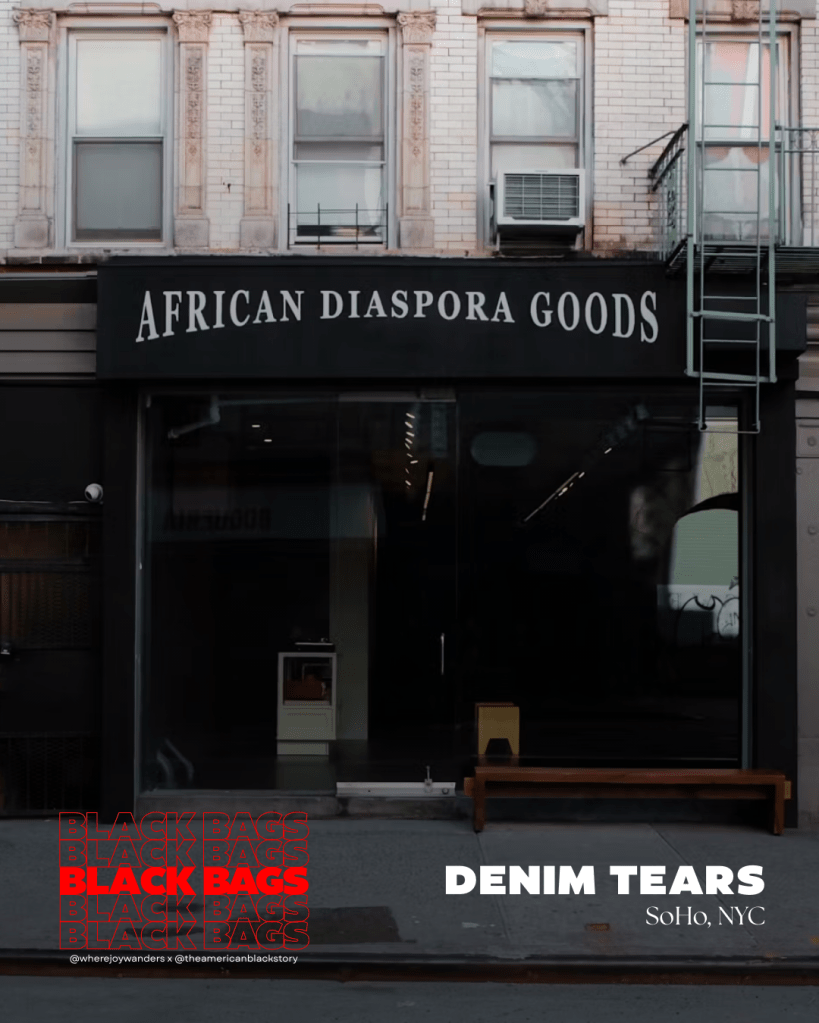
Just around the corner from the likes of Chloë and Alexander Wang, a simple, black sign stands in sharp contrast to its Spring Street neighbors, holding space for an unexpected commodity:

“AFRICAN DIASPORA GOODS.”

There wasn’t a matching sign outside of Gallery 999 at the Met Museum, but my involuntary double-take was surely the same.

Especially after I’d barely escaped the museum gift shop with my life. 

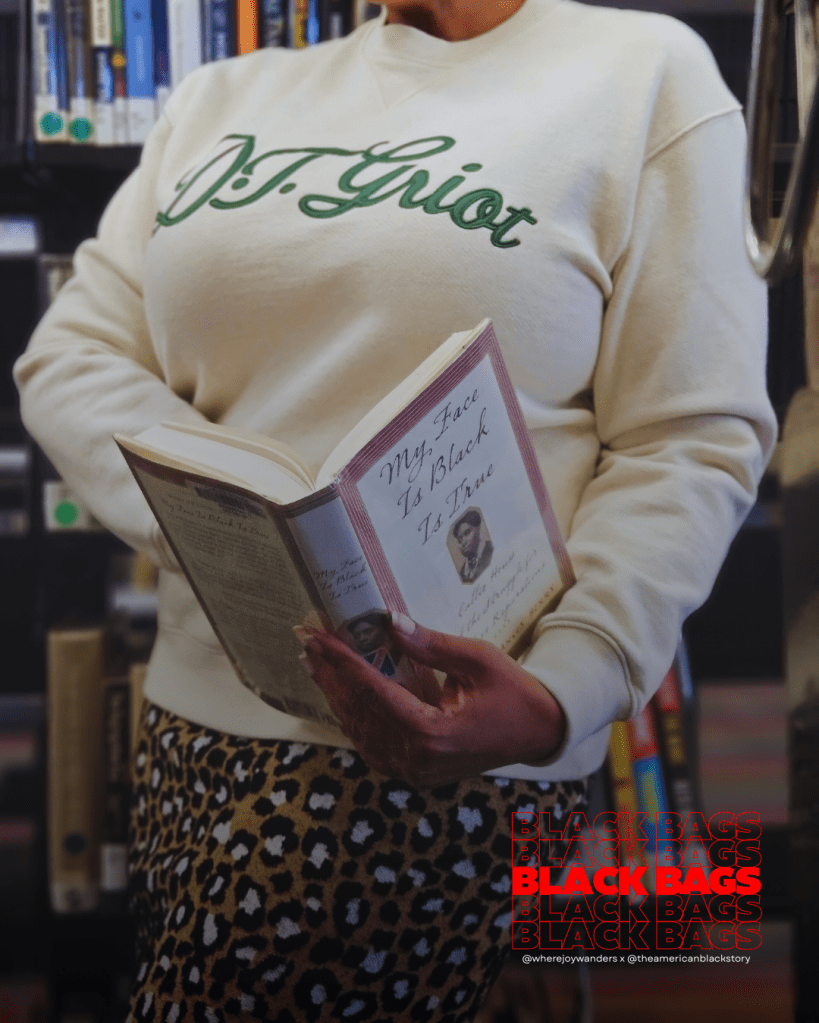
Spanning multiple tables outside of the Superfine: Tailoring Black Style exhibit, @denimtears wouldn’t even let me come up for air.

Union Jack and American flag sweaters redesigned in Pan-African green, red, and black.

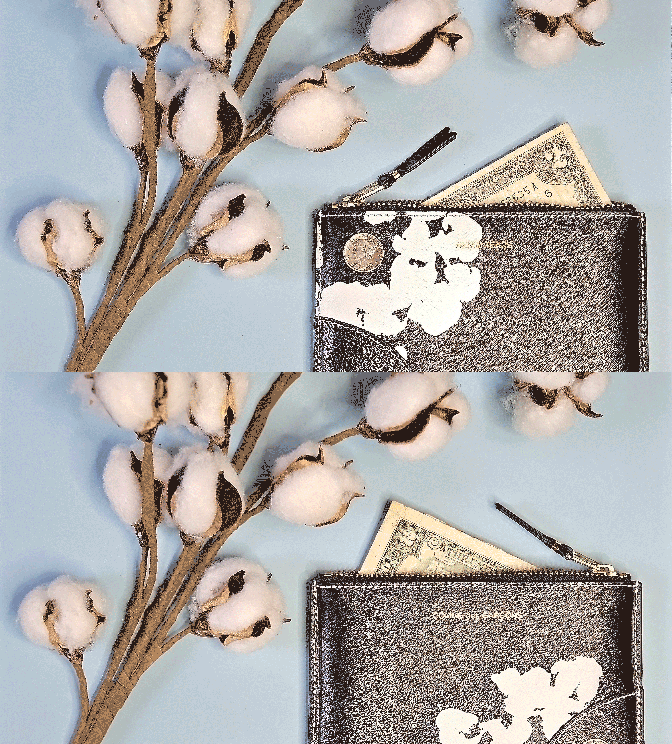
Plush, leather watermelon wallets in collaboration with Commęs des Garçon and logo baseball hats reminiscent of 1990s Ralph Lauren.

A single t-shirt featuring Andre Leon Talley, Jean-Michel Basquiat, and Andre Walker, makeup-smudged at the collar, hung deep on a rack.

I snatched it like the last loaf of bread before the apocalypse.

And despite being almost that poor… NEXT STOP: 176 Spring Street. 

Between the Met Museum merch table and a Denim Tears ensemble featured in the Superfine exhibit (which remains in the Met’s permanent collection), the thread was clear.

Bespoke, imaginative clothing in luxurious fabrics, designed for Black bodies but accessible to anybody with swag (and the money to pay for it).

But on Spring Street, brand new themes like a Black Poseidon threatening a schooner daring to sail the Middle Passage, or cheeky Cotton Club dancers, come to life on shirts.

The brand’s signature cotton wreath design adorned sweats in every color, a symbol of cotton’s significance to the fashion industry, and a tribute to the enslaved people who made that possible.

Even the Denim Tears name honors the trials and tribulations Black people have overcome while still serving as the standard in fashion and culture.

If money and carry-on capacity were no object, I’d have taken one of everything.

Before I even walked into Denim Tears, I was a fan.

Since I walked out, that’s MS. Princess of Black Power, you ragamuffins.

Put your power on at denimtears.com 🖤


Introducing “Black Bags”

Most years, my general existence at @wherejoywanders and my storytelling at @theamericanblackstory tend to inadvertently overlap.

But celebrating 100 years of Black History Month felt like a time to be more intentional.

Because as much as it pains this writer to say it, marking another 100 is going to take more than telling stories.

Especially in an era where books are banned, files are redacted, sources are silenced, and the truth is simply rewritten daily.

It’s going to take solidarity.

So I’m gathering all of my skillsets to deliver something new this February.

“Black Bags” combines my travels, my Black Americana, and my brand storytelling to spotlight businesses making Black History mainstream.

Come turn your 28 days into 365 with me and my favorite Black-owned & operated shops each Monday (starting tonight) on IG at @theamericanblackstory, @wherejoywanders, and here at theamericanblackstory.com